How IPPs can supercharge the green energy movement
Guest/partner contributor
Posted on: 1 November 2023
One route to supercharging the availability of much needed green electricity can be provided by renewable Independent Power Producers (IPPs).
It comes as a welcome respite that energy inflation is considerably lower today than the same period last year, with prices in the long-term expected to stabilise only slightly higher than before the war in Ukraine.
This recent period of high market uncertainty has underlined the importance of energy independence, and the increasingly critical need to transition away from fossil fuels, writes Martina Dabo, Head of Asset Management IPP, at BayWa r.e.
And while it has been a catalyst for positive progress, with additions of renewable power capacity expected to jump by a third this year, we need further accelerated growth to keep up with net zero targets and the rising demand for affordable green electricity. The latter is showing no signs of slowing down, driven in part by record-breaking sales of electric vehicles and increased need from the heat sector.

One route to supercharging the availability of much demanded green electricity can be provided by renewable energy Independent Power Producers (IPPs).
Why IPPs are good for the planet and good for business
Chances are this might be the first time you’ve heard of IPPs. To briefly explain what an IPP is, it can be a corporation, person, agency, authority – almost anything except an electric utility – that owns or operates facilities that generate electricity for predominantly public use.
IPPs have been around for decades and while their growth started in the US and Europe, it was the UK that became an early IPP frontrunner, coinciding with the unbundling of national grid ownership and the sale of electricity.
One of the reasons behind their return to the headlines is that they are becoming increasingly important for the green energy transition. IPPs provide lower barriers to entry for new energy players, paving the way for increased competition. This is something that ultimately helps the reliability of green electricity production through an increased range of sources and drives down prices for consumers in a more competitive, and not monopolistic, market.
From project development to the point of sale to local grids, IPPs are committed to the longevity of local renewable projects and bringing the consumer closer to production. This helps to build better relationships with local citizens, as well as local stakeholders and customers, crucial to the renewable energy transition.
For renewable energy developers, this means that building their own IPP portfolios is an attractive prospect. It can be a strategic play to see optimised revenues in challenging macroeconomic conditions and to become increasingly flexible to react to an ever-changing market. But as we will see in the next chapter, putting together a valuable IPP portfolio is a task in itself.
Have you read?
Renewables capacity must triple to keep 1.5°C goal alive state COP28 partners
EU unveils action plan to bolster wind industry performance
The many moving parts of an IPP portfolio
First of all, an IPP portfolio requires balancing strong technical and economic characteristics with sustainability criteria.
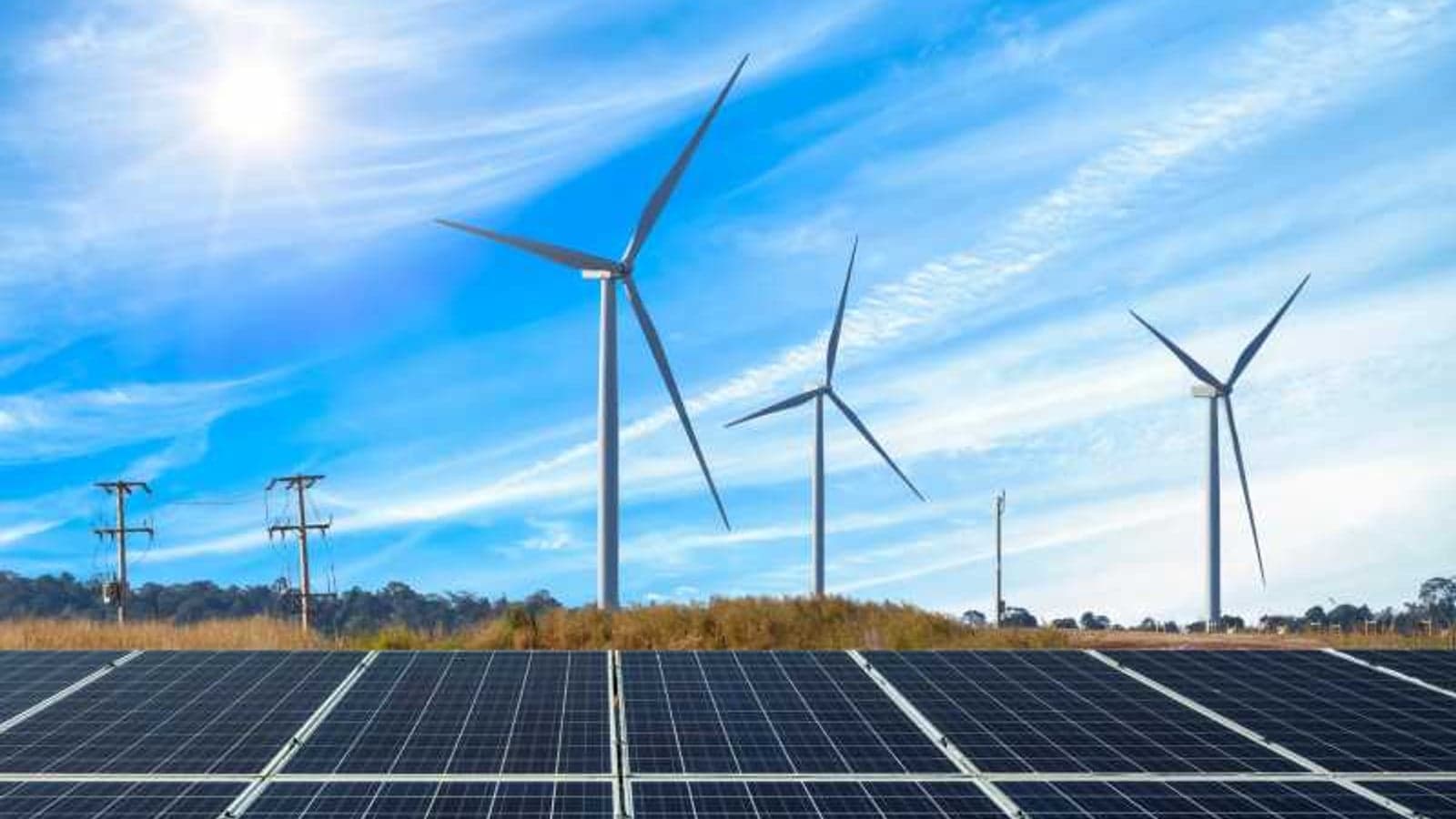
A strong portfolio will consist of utility-scale projects with good quality components – ones that have a large enough yield to make a significant impact on a local power network. Additionally, an optimised portfolio should comprise different technologies like wind, PV and storage in a range of locations, so that in the unlikely event of any issues, it remains up and running.
Crucially, such a portfolio should be developed in harmony with the surrounding environment. Ideally, its projects look to minimise the impact on the environment and implement measures to improve the local biodiversity, e.g. with the planting of native grassland, wildflowers, hedgerows and trees.
Another consideration is who to sell the electricity to once it has been generated. Still, one option in many European markets and the UK is the feed-in tariff (FiT) or similar subsidy schemes, which sees electricity going to the national grid and provides producers with a guaranteed price for the energy produced.
While another favourable and growing alternative is selling electricity through a Power Purchase Agreement (PPA). Through corporate PPAs, IPPs can support global businesses in meeting vital sustainability targets while securing revenue at guaranteed price for a fixed period of time.
As touched on, IPPs are a good example of the role of local communities during operation and management of green energy projects. A project may be in a local area and feed into a local grid, making its supply an intrinsic part of the community. Some IPP projects even have a local ownership component.
An ongoing relationship with stakeholders can drive positive sentiment and increase acceptance from a local community when it comes to nearby projects. Projects as part of an IPP portfolio are not short-term, and the more heard a community feels, the greater the chances of it providing green energy for decades to come and serving as a blueprint to other developers in how they engage with communities.
Also of interest
ASEAN looks to distributed renewables to fuel energy transition
Closing the renewables skills gap
How to embrace circularity in wind power
IPPs aren’t without their challenges
To guarantee IPP portfolios are a success and long-lasting, businesses have to deal with the challenges that come with them.
It is no secret that the grid has struggled to stay in-step with the wave of new renewable projects. High grid charges, poor availability and a lack of robustness are considerably slowing down the process of getting new renewable projects online. Another factor is the speed of permitting and administration.
To resolve this issue, transmission system operators, distribution system operators and local authorities need to speed up grid connections as well as increase grid network availability.
Higher digitisation rates as well as recognised standards and reducing complexity in the process can help.
Governments and organisations have to commit to renew and expand a network that is capable of accommodating the future renewable generation. Furthermore, it is essential to ease planning and permitting procedures, as well as reduce considerable grid charges.
There must also be significant investments made in the right tech and the right people. While these projects are often built to last, performance can drop over time, especially when a lifespan can exceed 25 years. This means that opportunities such as repowering should be considered to inject a project with the latest tech and renewed output.
Similarly, IPPs need skilled workers to run and maintain them and, despite renewable jobs nearly doubling in the past decade, there is still a green energy skills shortfall that has to be tackled by politics and businesses.
Finally, IPPs must gain more prominence in the public eye if they are to reach their potential. The energy market may continue to be volatile, but renewables are a very competitive electricity source and are helping drive much-needed cheaper energy prices.
Why IPPs can help us seize the opportunity
The reality we face is that energy consumption is ultimately going to continue to go up.
And we are in a race to find new ways to make this more sustainable and keep the supply more competitive so that this steep climb doesn’t come at the expense of the environment or consumer and business costs.
The ability of IPPs to help is without question. They are speeding up renewable energy growth and helping to drive green electric production. Further, they are helping to bring electricity prices down by creating a more competitive, less monopolised, market – a major win for consumers and businesses alike.
While a lack of stability and streamlined regulation is an unfortunate trade-off for businesses looking to curb the world’s climate crisis, these can be overcome with the right preparation, flexibility and foresight.
Today, we find ourselves in the decade that matters – a pivotal window of opportunity for us to collectively make a difference and to slow down climate change.
As the challenges and moving parts of IPPs show, the green energy transition is complicated, but we have a clear path forward and, with enough education, investment and upfront planning, we can ensure that we don't spurn the biggest opportunity we’ll ever have.
About the author:
Martina Dabo, Head of Asset Management IPP, at global renewable energy company, BayWa r.e. B. Martina’s career to date includes roles at BKW Energie AG and CUBE Engineering GmbH. Before entering the world of renewables, Martina was a pilot for Deutsche Lufthansa AG.