Interoperability critical to long-term smart grid investment
Yunus Kemp
Posted on: 20 May 2026
Interoperability protects against long-term supply risks, guarantees flexibility in the supply chain, reduces vendor lock-in, says G3-Alliance's Leon Vergeer
Interoperability must be prioritised by utilities rolling out smart metering infrastructure if they want to avoid vendor lock-in, supply chain risks and future technology failures.
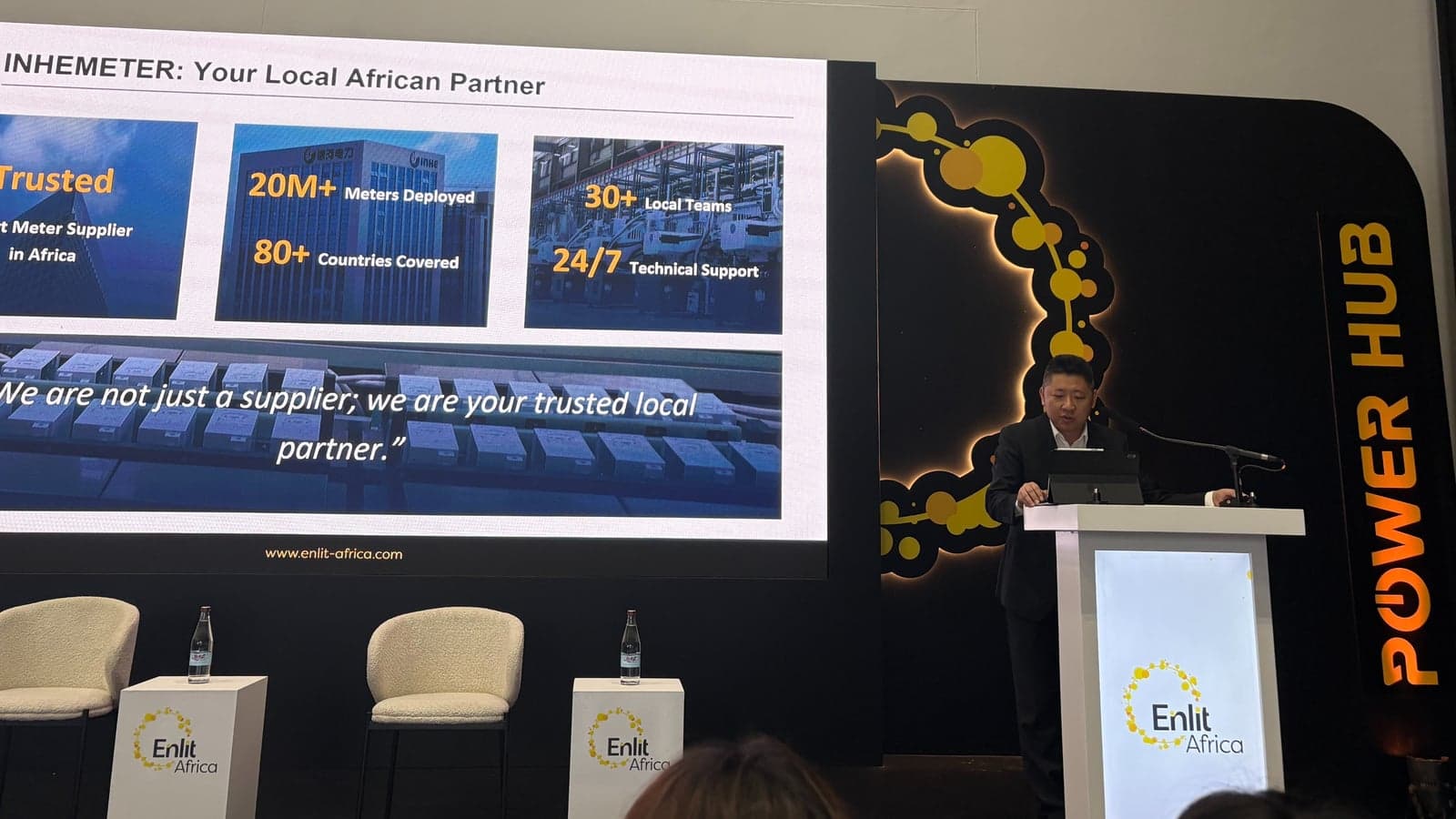
This cautionary statement came from Leon Vergeer, General Secretary of the G3-Alliance, during a presentation titled 'Interoperability in Smart Metering: Securing Long-Term Grid Investments' at Enlit Africa in Cape Town.
Vergeer warned that utilities investing billions in smart grid infrastructure could face significant operational and financial risks if they rely too heavily on a single supplier or proprietary technology.
Smart metering projects, he said, are long-term infrastructure investments, with meter lifespans typically ranging from 10 to 15 years.
“What happens after 10 to 15 years if the entire communication network depends on a single supplier? Will your supplier still be there to replace broken meters in 10 years from now?”
He noted that meter manufacturers and chip suppliers can disappear, change strategy, or move away from certain technologies over time, creating risks for utilities operating large-scale smart meter deployments.
Interoperability fosters resilience
Referencing COVID, Vergeer said the pandemic had demonstrated the dangers of depending on a single supplier or region, after global supply chains experienced major disruptions.
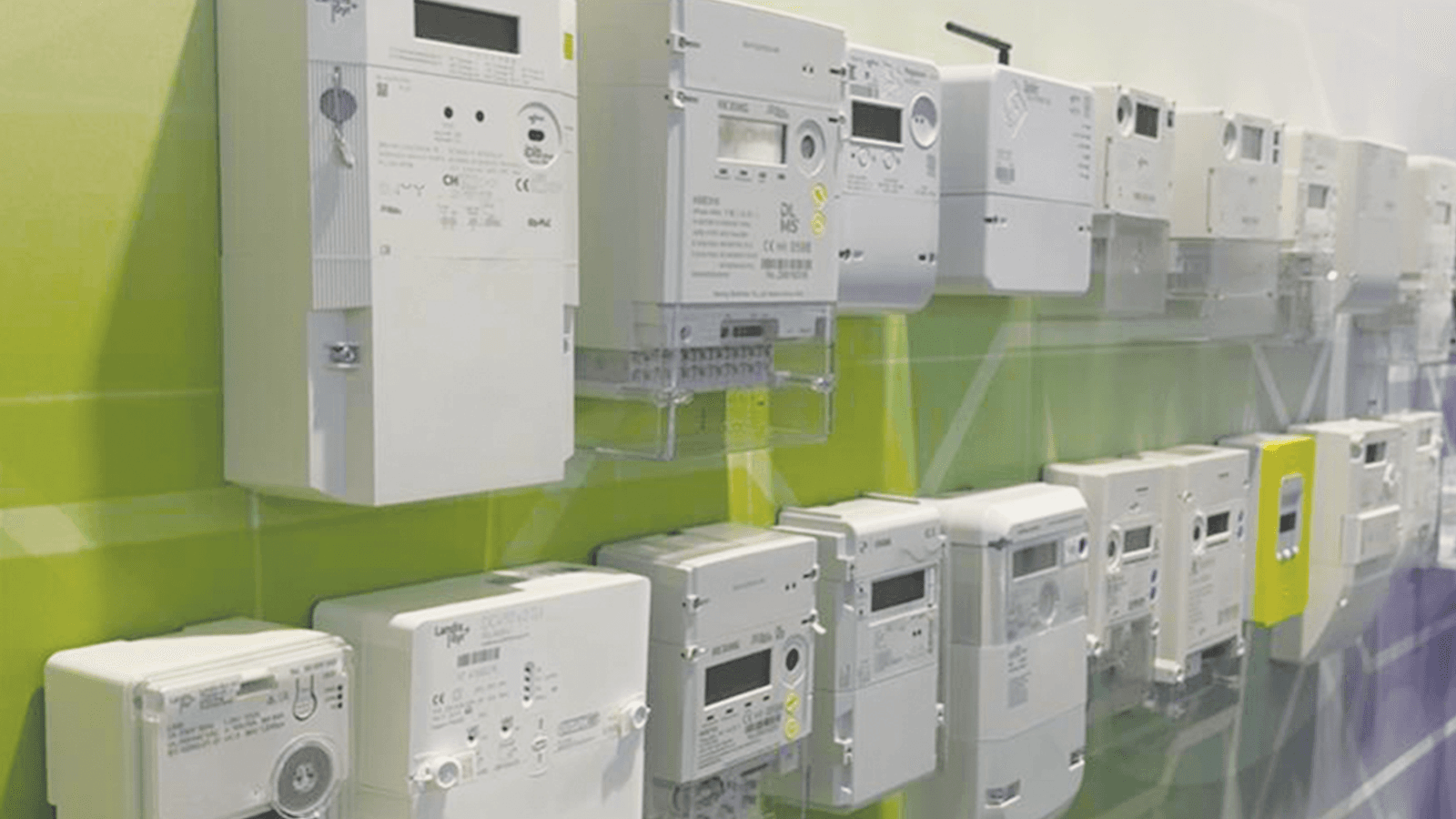
Vergeer said interoperability, particularly the ability for devices from multiple manufacturers to operate seamlessly within the same communications network, was essential for reducing those risks.
“Interoperability protects you against long-term supply risks, guarantees flexibility in the supply chain, and reduces vendor lock-in,” he said.
The G3-Alliance develops and standardises the G3 communication protocol used in smart metering and smart grid deployments.
Vergeer said the organisation does not manufacture chips or meters but instead focuses on maintaining open standards and certification programmes that allow products from different vendors to communicate with one another.
Have you read?
Powering utilities via smart metering and energy intelligence
Europe’s flexibility: What EU‑DREAM has learned from 1,000+ households
International cases
He highlighted several international deployments as examples of interoperability in practice.
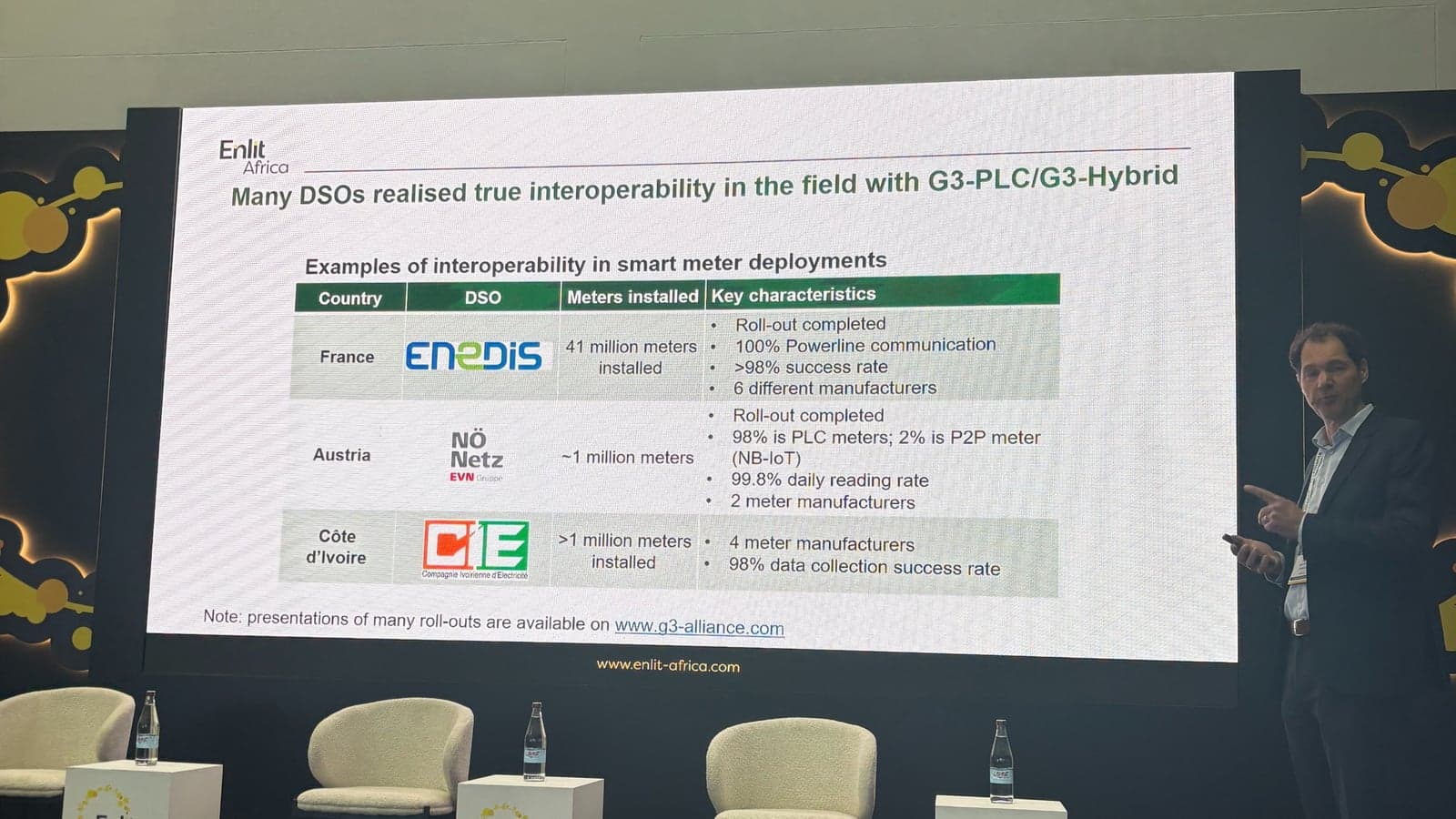
In France, around 40 million G3 PLC smart meters from six different manufacturers have been deployed, with devices able to replace one another within the same network infrastructure.
Austria has deployed approximately one million smart meters using equipment from multiple manufacturers, while Côte d’Ivoire has rolled out up to one million G3 PLC meters from four different vendors operating through a shared communications system.
Vergeer said that in Côte d’Ivoire, some networks support as many as 700 meters communicating with a single data concentrator.
Despite the complexity, utilities had achieved “very good performance” and high daily communication rates.
However, he cautioned that interoperability increases technical complexity and requires careful planning before deployment.
Utilities need open standards, strong certification programmes and a diverse supplier ecosystem to achieve successful interoperability, he said.
Hundreds of devices certified
Since launching its certification programme in 2014, the G3-Alliance has certified nearly 800 devices, including chipsets, meters and data concentrators.
Last year alone, the alliance certified 118 devices - the highest number recorded since the programme began - with more than 80% related to hybrid G3 technologies.
Vergeer said utilities also needed a basic understanding of how communication protocols operate before issuing tenders, including how devices join networks and exchange data.
“Interoperability is not something you fix afterwards. You have to prepare early before issuing the tender.”
He called on utilities to invest in good specifications, interoperability testing and pilot deployments.
Open standards are key
He added that utilities often seek help only after encountering problems in the field, by which point remediation becomes far more difficult and expensive.
Also, utilities should also prioritise certification not only for communications protocols, but also for higher level application layers and system settings to ensure true interoperability across networks.
While performance and cost remain important considerations in smart meter procurement, long-term resilience depends on open standards and a strong international ecosystem, he posited.
“If you want long-term resilience in a smart meter system, you need open standards, certified solutions and a strong international ecosystem to support you,” said Vergeer.
Related tags
Latest content
Partner content
+2
New G3 certification: Multi-utility metering over a single communication network
A single communication network for electricity, gas and water meters: G3 certification release V8 enables integrated multi-utility metering with battery-powered devices.
- Guest/partner contributor
- 08/06/2026
Latest in Digitalisation
All articlesPartner content
+1
Digital water management: Empowering utilities with scientific decision-making
As urban water distribution networks continue to expand and water resource management becomes increasingly complex, water utilities are facing growing operational challenges.
- Guest/partner contributor
- 03/07/2026