How the US solar power industry can deal with extreme weather events
Guest/partner contributor
Posted on: 22 September 2025
In the face of extreme weather, high-resolution, real-time data is becoming increasingly critical to building climate-resilient PV systems, writes Marcel Suri of Solargis.

As the US experiences more frequent extreme weather events, high-resolution, real-time data is becoming increasingly critical to building climate-resilient solar PV systems and safeguarding investor confidence.
By Marcel Suri, CEO and Co-founder of Solargis
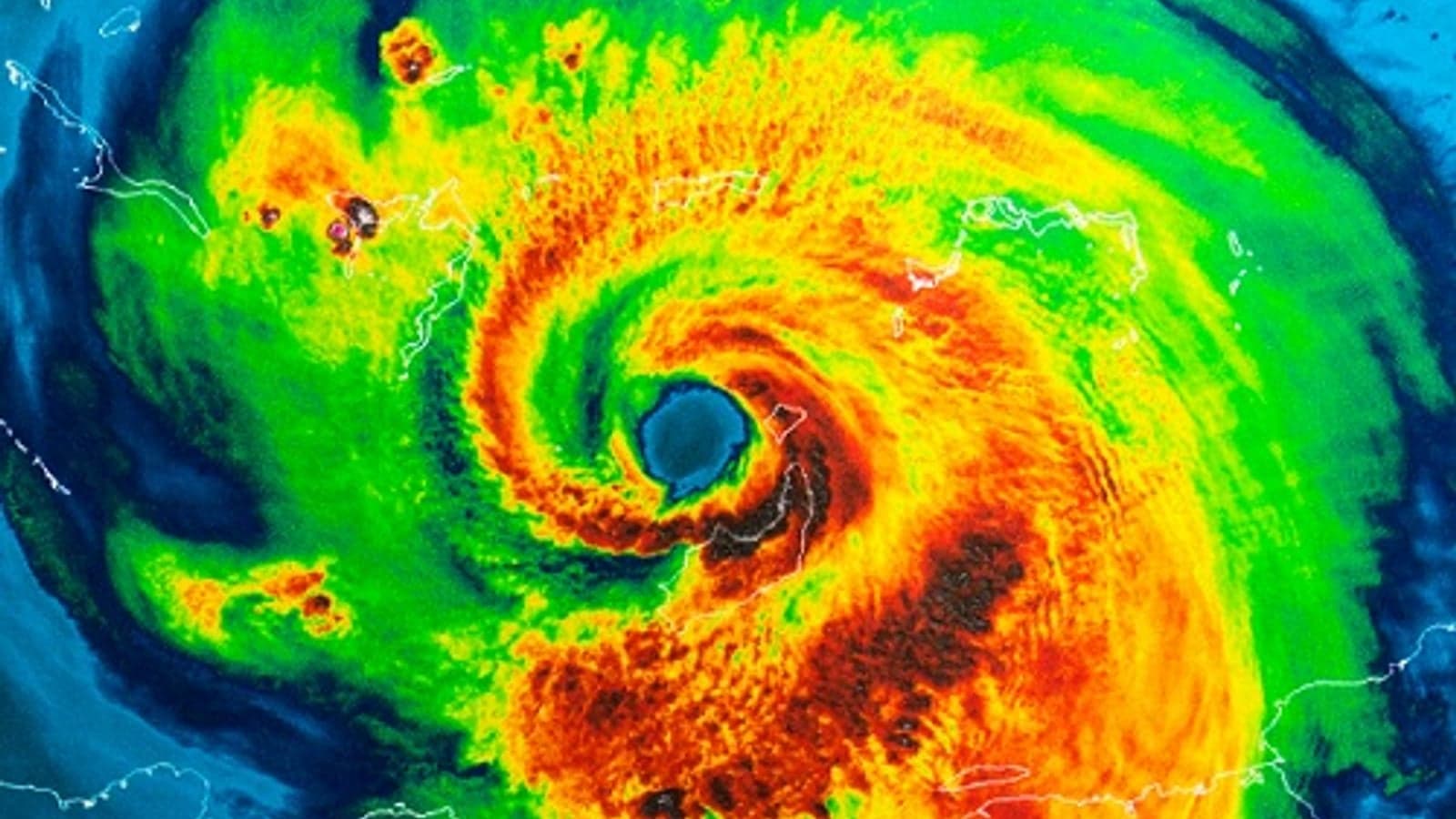
Extreme weather poses a serious threat to the solar energy industry. Higher occurrence of events such as heavy rainfall, fast changing sunny and cloudy weather, snow storms, hurricanes, high atmospheric pollution and hailstorms can significantly disrupt energy generation and cause material damage to PV systems.
In all cases, there are serious financial consequences for PV power plant operators and investors.
The growing pressure is on the US solar industry, too. Throughout the United States, more frequently climate patterns take the form of unusually warm weather, flash floods, wildfires, strong winds, and severe thunderstorms.
To ensure systems are designed and prepared to withstand harsher, less predictable conditions, PV developers must gain a deeper understanding of power supply fluctuations and model them accurately in real time to minimize potential losses.
Have you read?
AES sends world’s first AI-powered solar robot fleet to California project
Can direct solar-to-hydrogen technology unlock industrial decarbonisation?
What the numbers show
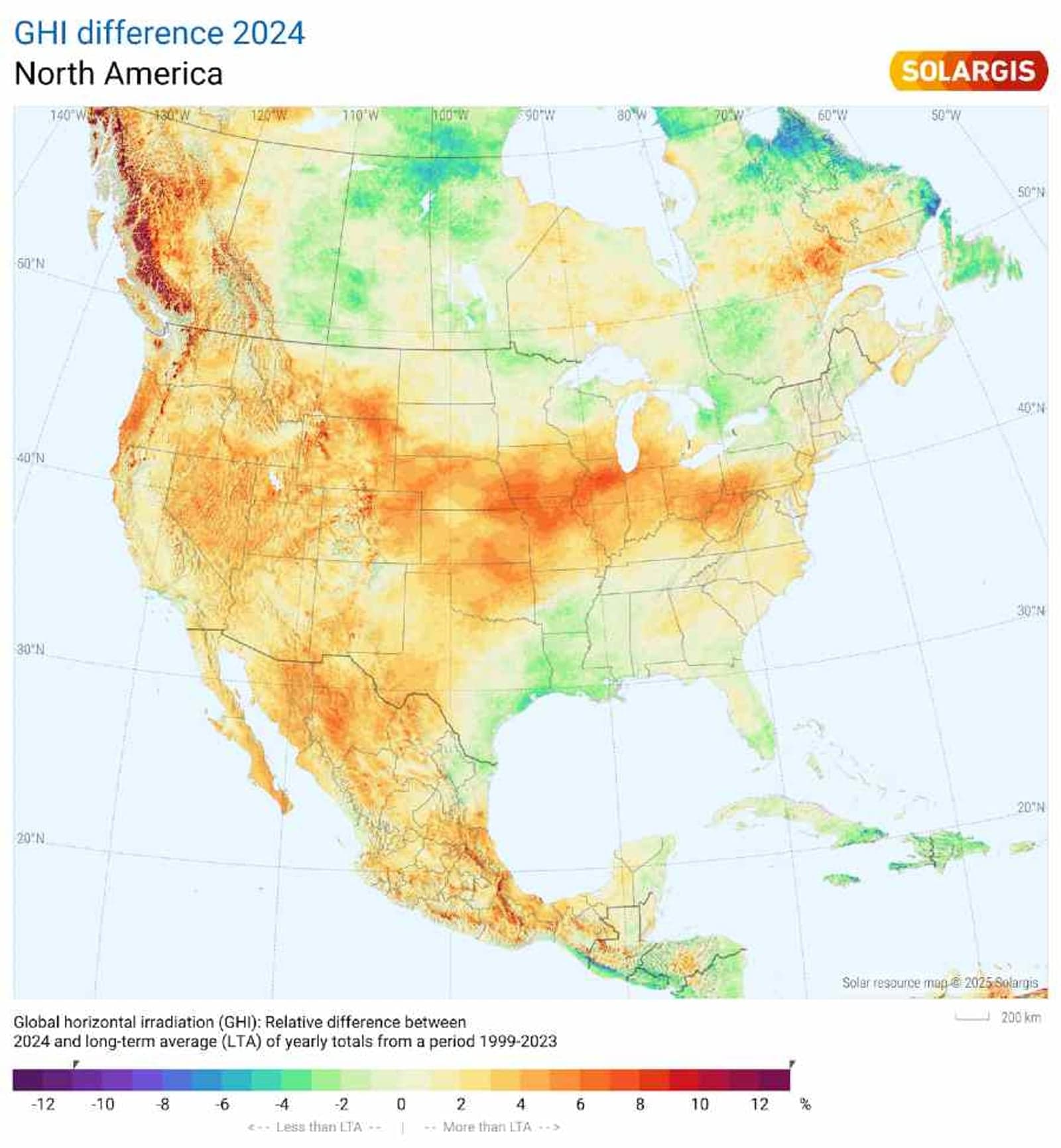
At Solargis, we conduct an annual analysis of global horizontal irradiation (GHI) difference, comparing each year's data against the long-term averages (LTA) – data that directly impacts the performance of solar power plants.
Our 2024 findings reveal significant increases and decreases in solar irradiation across various US regions. For example, an extreme heatwave affected states of Illinois, Indiana, Michigan, and Ohio. We also observed unusually intense solar irradiation in moderate regions like the Midwest and Northeast, including the Great Lakes area.
These were not isolated events.
Other regions experienced climate-related disruptions too, including wildfires, which burned over one million acres of land in California alone, and late-season snowstorms in the northern Rocky Mountains. In October last year, a tornado significantly damaged a 45MW Lake Placid Solar Power Plant in Florida, shortly before Hurricane Milton hit the area.
Harnessing the power of data
The key to understanding how climate-related events affect PV system performance lies in the granularity and accuracy of the data used to model and simulate solar conditions.
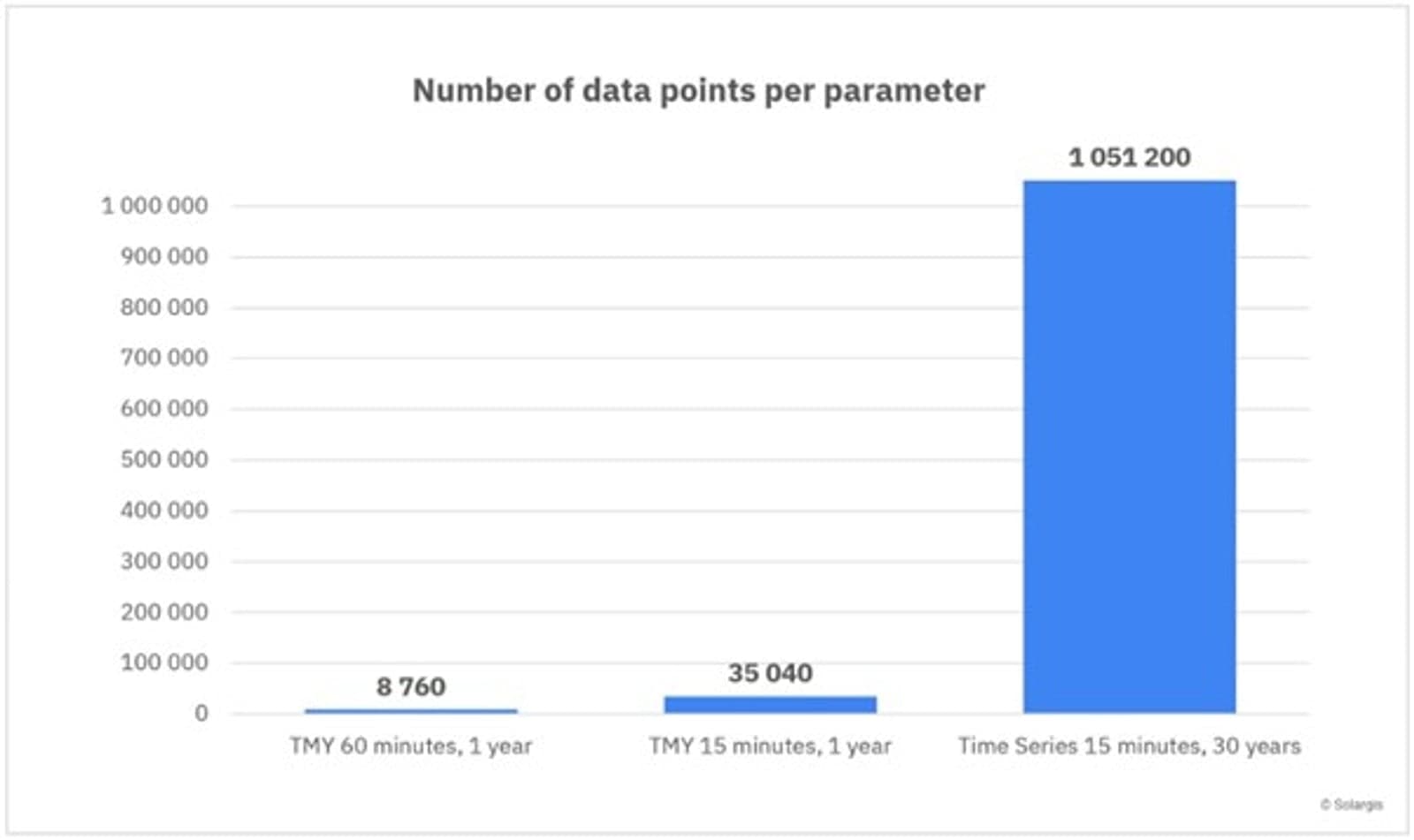
Most solar simulation software today still relies on hourly Typical Meteorological Year (TMY) data. These datasets consolidate weather conditions from multiple past years into a single 'typical' year, capturing average solar and temperature patterns.
However, TMY fails to reflect real-world variability – whether short-term (intra-hourly) or interannual (year-to-year natural variability cycles). The limited temporal resolution and historical depth of TMY data mean that simulations based on it often overlook these 'non-typical' events and fail to account for critical operational risks.
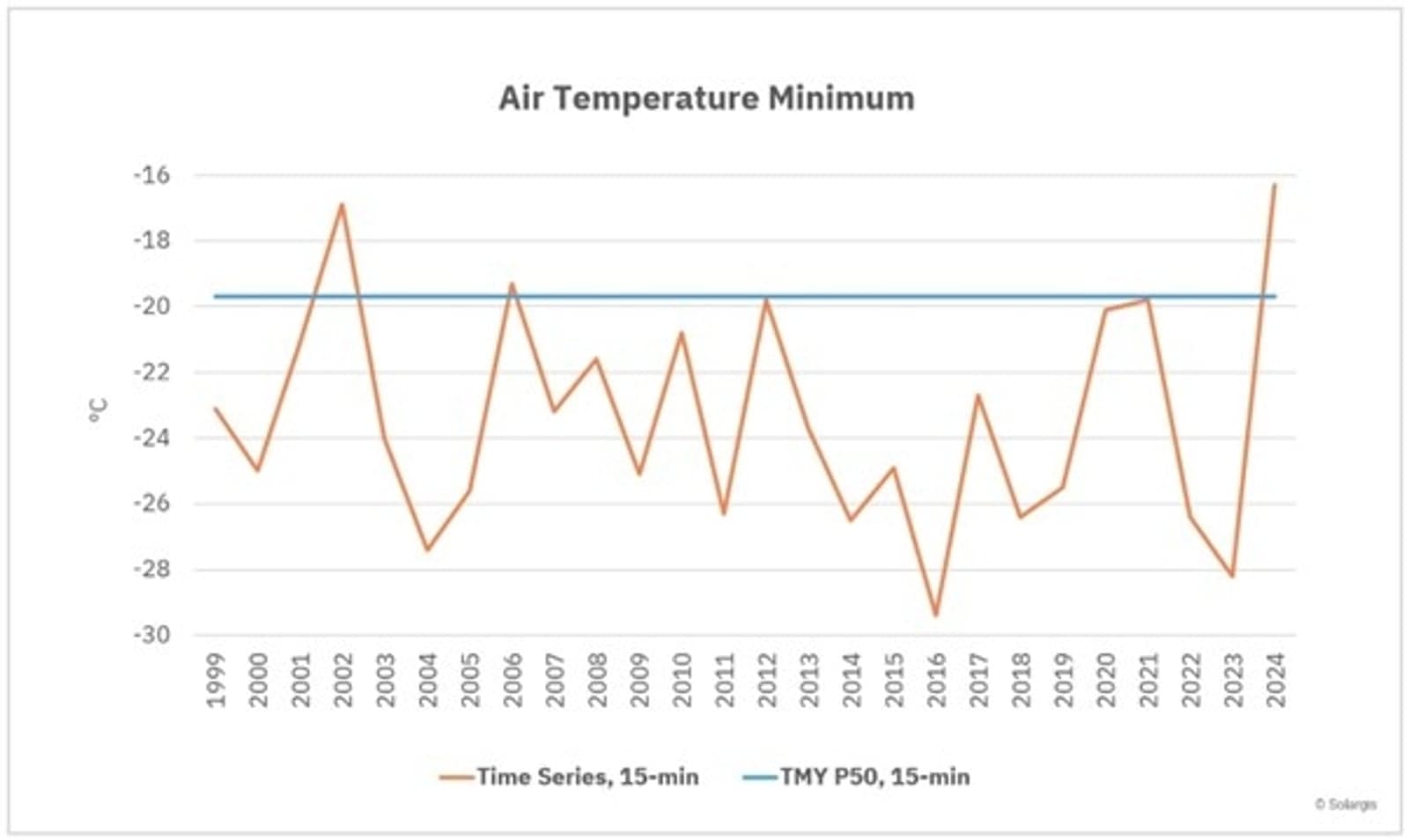
This disconnect between simulation and reality can only be addressed through PV modeling based on higher-resolution datasets. Time Series data, which offers 15-minute granularity over multiple decades, enables significantly more accurate assessments of PV system behavior. But improved datasets alone are not enough – solar developers also need sophisticated software solutions capable of processing and interpreting this data effectively.
Also of interest:
Why data-rich companies must learn to spend it wisely
Onshore wind sector ramps up AI investment to reduce risk
Protecting and empowering solar developers and investors
In a future shaped by more challenging weather events, the solar industry cannot afford to rely on legacy approaches. Forward-looking companies must embrace a new standard of modeling – one grounded in real-world physics and supported by data that reflects the full range of environmental conditions a PV power plant encounters.
High-resolution datasets, when paired with advanced simulation software, equip developers and investors with the insights needed to:
- Predict weather-related impacts more accurately,
- Create more robust designs, plan preventive operation and mitigate downtime,
- Improve system resilience and operational efficiency, and
- Strengthen confidence among insurers and financial stakeholders.
As the US solar sector faces the mounting challenges of climate volatility, access to granular, long-term data will become indispensable.
Understanding irradiance variability – and being able to model it accurately – is essential for protecting assets, securing investment, and maintaining consistent energy production.
ABOUT THE AUTHOR
Marcel is an entrepreneur and expert in solar resource, photovoltaics, and geoscience. Holding a PhD in geography and geoinformatics, he has made significant contributions to solar energy through numerous scientific and research studies. Marcel is dedicated to improving efficiency of digital data and tools, mitigating weather-related risks, and elevating industry standards.