Home
/
Iberdrola's Alto Tâmega Hydroelectric Plant receives first connection to Portuguese grid
Iberdrola's Alto Tâmega Hydroelectric Plant receives first connection to Portuguese grid
Power Engineering International
Posted on: 22 January 2024
Iberdrola has successfully connected one of the two turbines of the Alto Tâmega Hydroelectric Plant to the electricity grid.
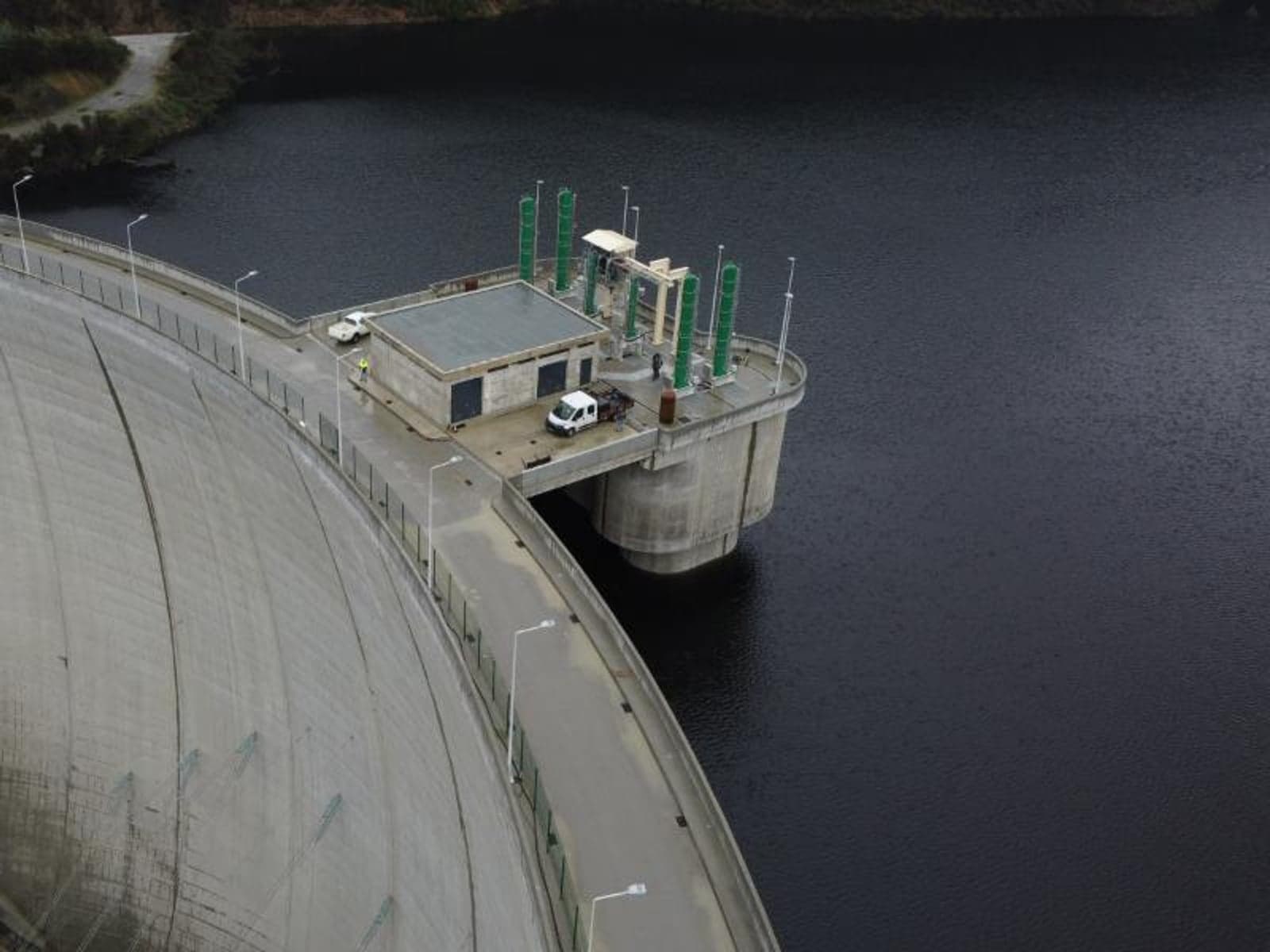
Iberdrola has taken another step towards full commissioning of the Tâmega Hydroelectric Complex by successfully connecting one of the two turbines of the Alto Tâmega Hydroelectric Plant to the electricity grid in Portugal.
The Tâmega Hydroelectric Complex is made up of three power stations: the Alto Tâmega Hydroelectric Power Station, with an installed capacity of 160 MW, the Gouvães Pumped Storage Power Station (880 MW) and the Daivões Power Station (118 MW), the last two have been in operation since 2022.
The Alto Tâmega Power Station is located at the foot of the Alto Tâmega Dam, a large double-curved vault dam, 105 metres high, with 220,000m3 of concrete and a crown length of 335 metres, which has become the fifth highest dam in Portugal.
Once the first turbine has been connected to the grid, the second will follow in February 2024. By the end of March 2024, this plant will be in commercial operation and the entire Tâmega Hydroelectric Complex will be operating with a total installed capacity of 1,158 MW.
Have you read?
Iberdrola secures €300m loan to wean coal-heavy countries onto renewables
Iberdrola sells three mini-hydro assets to Kelag
Rafael Chacon Llorente, the Tâmega project director, commented: “In a context where storage is key to enabling a decarbonised electricity system, maximising the production of renewable energy and guaranteeing its integration into the system, the Tâmega Hydroelectric Complex has enabled Portugal to increase its hydroelectric storage capacity by 33%, representing an increase of more than 60% in the volume of energy stored by pumping in 2023 compared to 2021.”
Since hydroelectric storage is currently the only technology capable of storing electricity massively and efficiently, this complex can make the most of the energy generated by the wind and sun, making up for the periods when the sun doesn't shine and the wind doesn't blow.
Portugal gets more than 60% of its electricity from renewable sources and has the objective of reaching 85% by 2030. With the growth of renewables, the output of wind and solar power stations increasingly exceeds the system's needs, which, since it cannot be consumed or managed by the system, would be lost if it weren't stored by pumping water, particularly in the Gouvães reservoir, and could then be released to produce energy when the system needs it.
The Tâmega Hydroelectric Complex is one of the largest energy initiatives in Portugal's history, involving a total investment of more than €1.5 billion and an installed capacity of 1,158MW and an energy reserve of 40 million kWh, equivalent to the energy consumed by 11 million people during 24 hours in their homes.