Ice Age solar storm offers future worst-case scenario say space scientists
Jonathan Spencer Jones
Posted on: 22 May 2025
Scientists at the University of Oulu in Finland have identified the most extreme solar storm to hit the Earth occurred in 12|350 BC during the dusk of the last ice age.
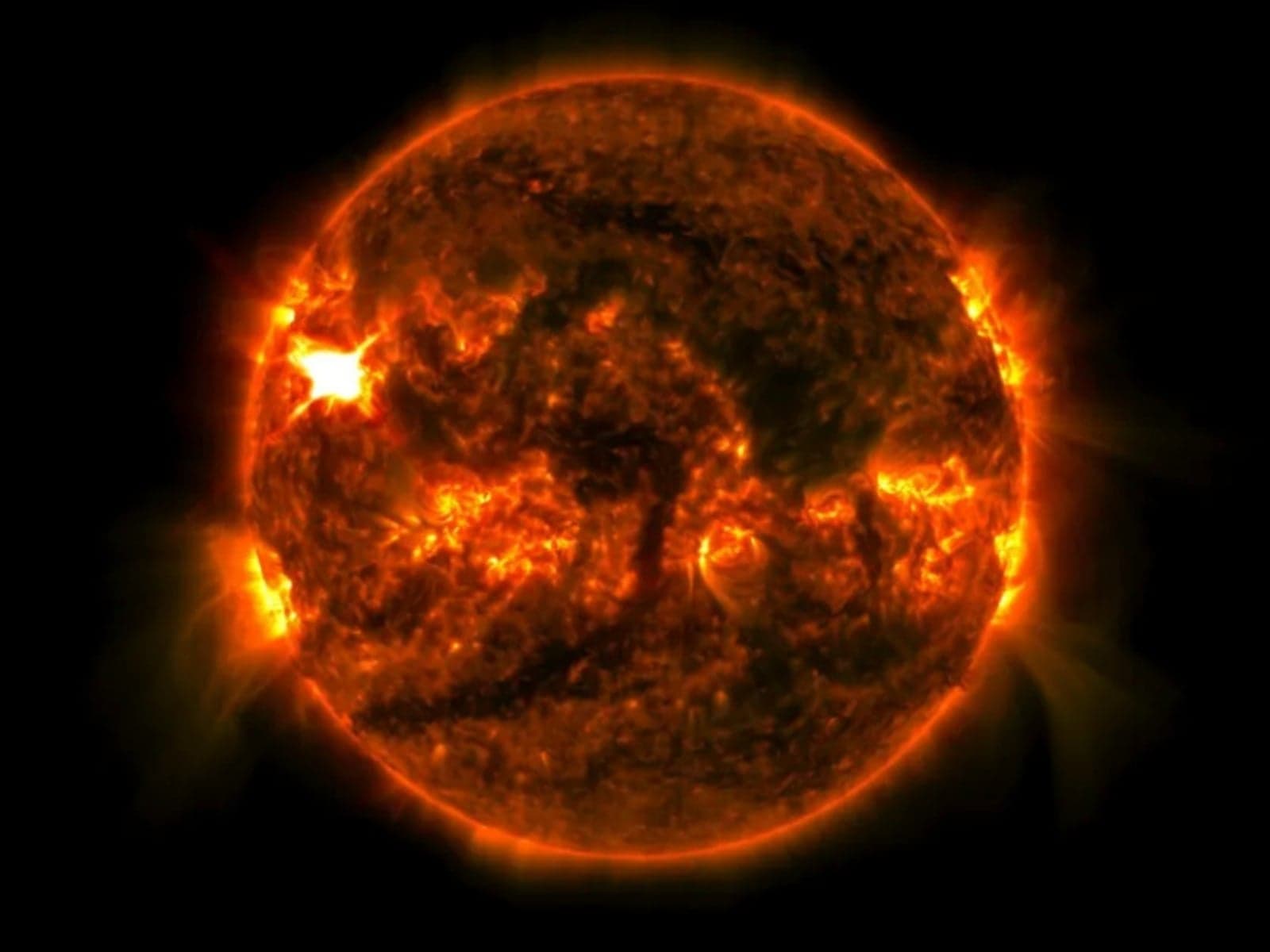
Scientists at the University of Oulu in Finland have identified the most extreme solar storm to hit the Earth, which occurred in 12,350 BC during the dusk of the last ice age.
The storm, which was identified from radiocarbon analysis of tree rings, is significant as with its intensity, it sets a new upper boundary for such solar phenomena of which operators of critical infrastructures such as power systems need to be aware.
The scientists, who utilised their newly developed chemistry–climate model designed to reconstruct solar particle storms under ancient glacial climate conditions, estimate that the 12,350 BC storm was approximately 18% stronger than the previously known strongest solar storm ever recorded from tree rings of 775 AD.
Modelling of that event had found that it was able to decrease the stratospheric ozone for more than one year, leading to regional changes in the surface temperature during northern hemisphere winters.
Have you read?
Global energy leaders call for cooperation amid rising energy security threats
Iberdrola invests €100m to redesign Valencia’s weather-torn distribution grid
And compared to the largest event of the modern satellite era – the 2005 particle storm – the 12350 BC event was over 500 times more intense, according to their estimates.
“The ancient event in 12,350 BC is the only known extreme solar particle event outside of the Holocene epoch, the past ~12,000 years of stable warm climate”, says Kseniia Golubenko, a post-doctoral research at the University of Oulu.
“This event establishes a new worst-case scenario. Understanding its scale is critical for evaluating the risks posed by future solar storms to modern infrastructure like satellites, power grids and communication systems.”
The research was undertaken as part of an international team led by Professor Edouard Bard from CEREGE, France, with the model verified using wood samples recently found in the French Alps, dating back some 14,300 years.
Solar particle storms are rare, but when they occur, they bombard Earth with an enormous amount of high energy particles.
Other large known solar particle storms have occurred around 994 AD, 663 BC, 5259 BC and 7176 BC, and a few other candidates are under investigation.
In comparison, the well-known Carrington event of 1859, which caused disruptions to telegraph systems, was a geomagnetic storm that primarily impacted the magnetic field and was not accompanied by a solar particle storm.
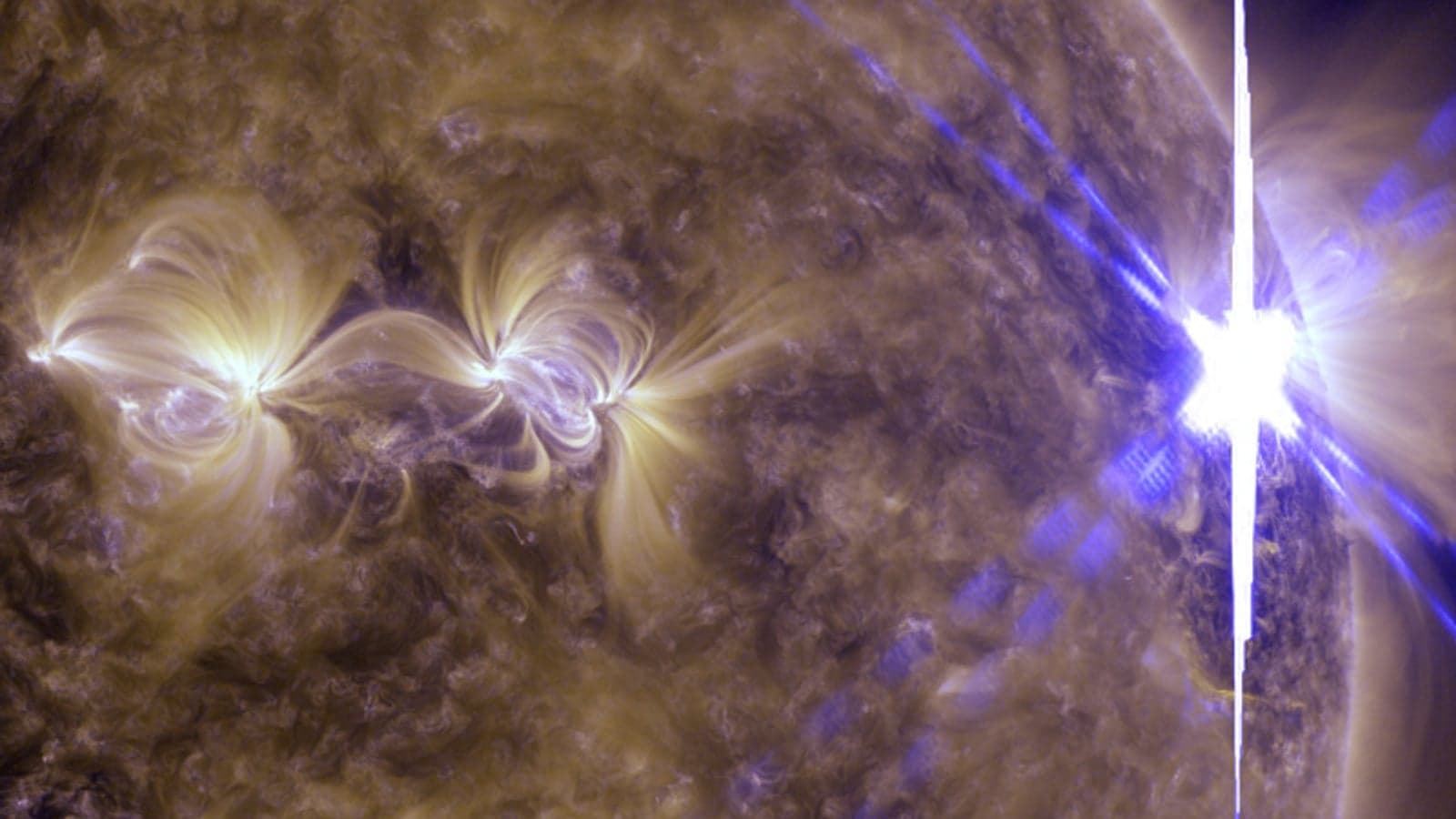
The finding is timely with current warnings from NASA and the US NOAA Space Weather Prediction Centre of detection of an X class solar flare – the most powerful – and the heightened level of solar activity as the solar maximum, expected in July 2025, approaches.
Space weather forecasting
Forecasting of space weather, with its potential impacts on the Earth, is a growing area of activity.
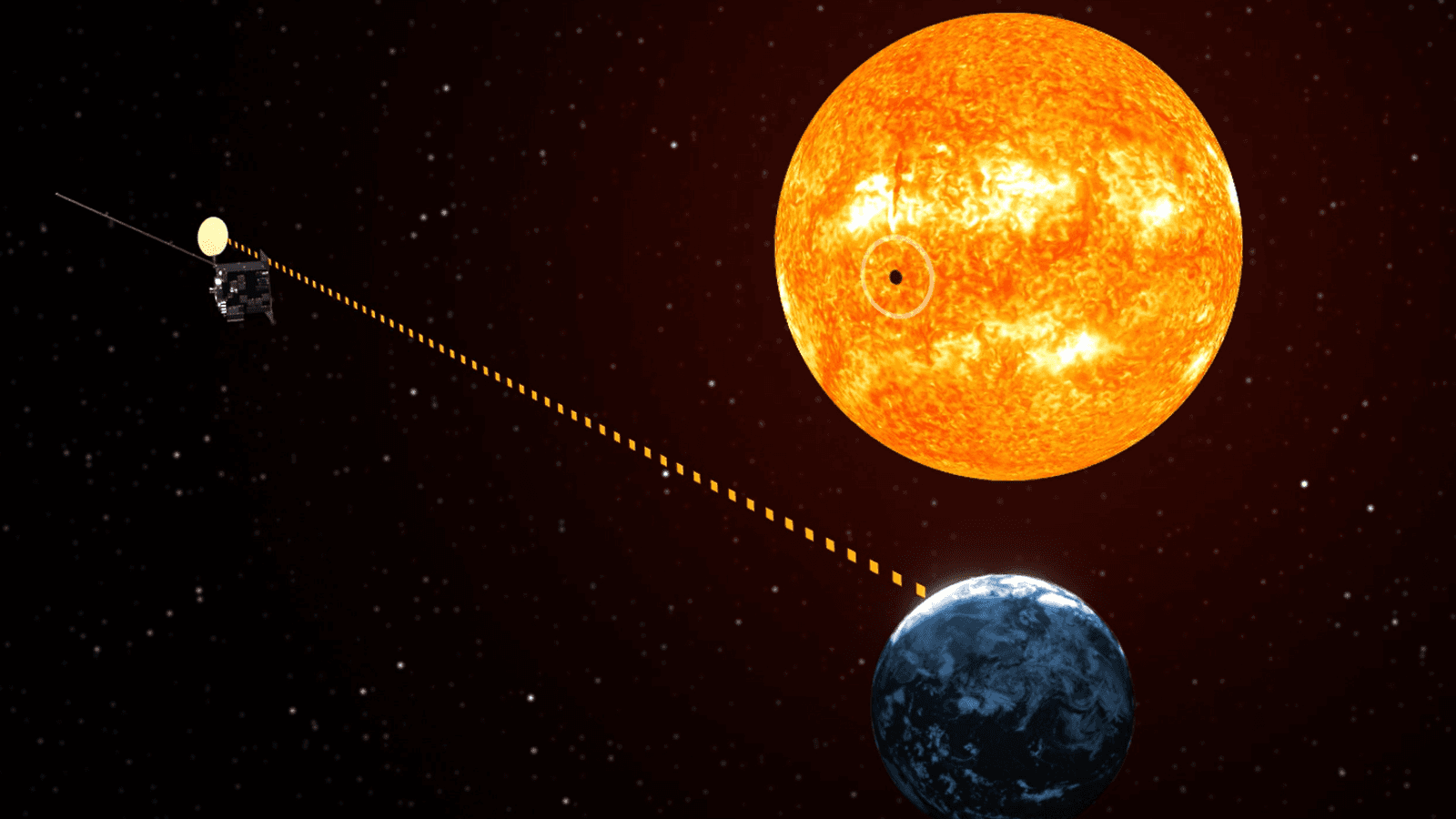
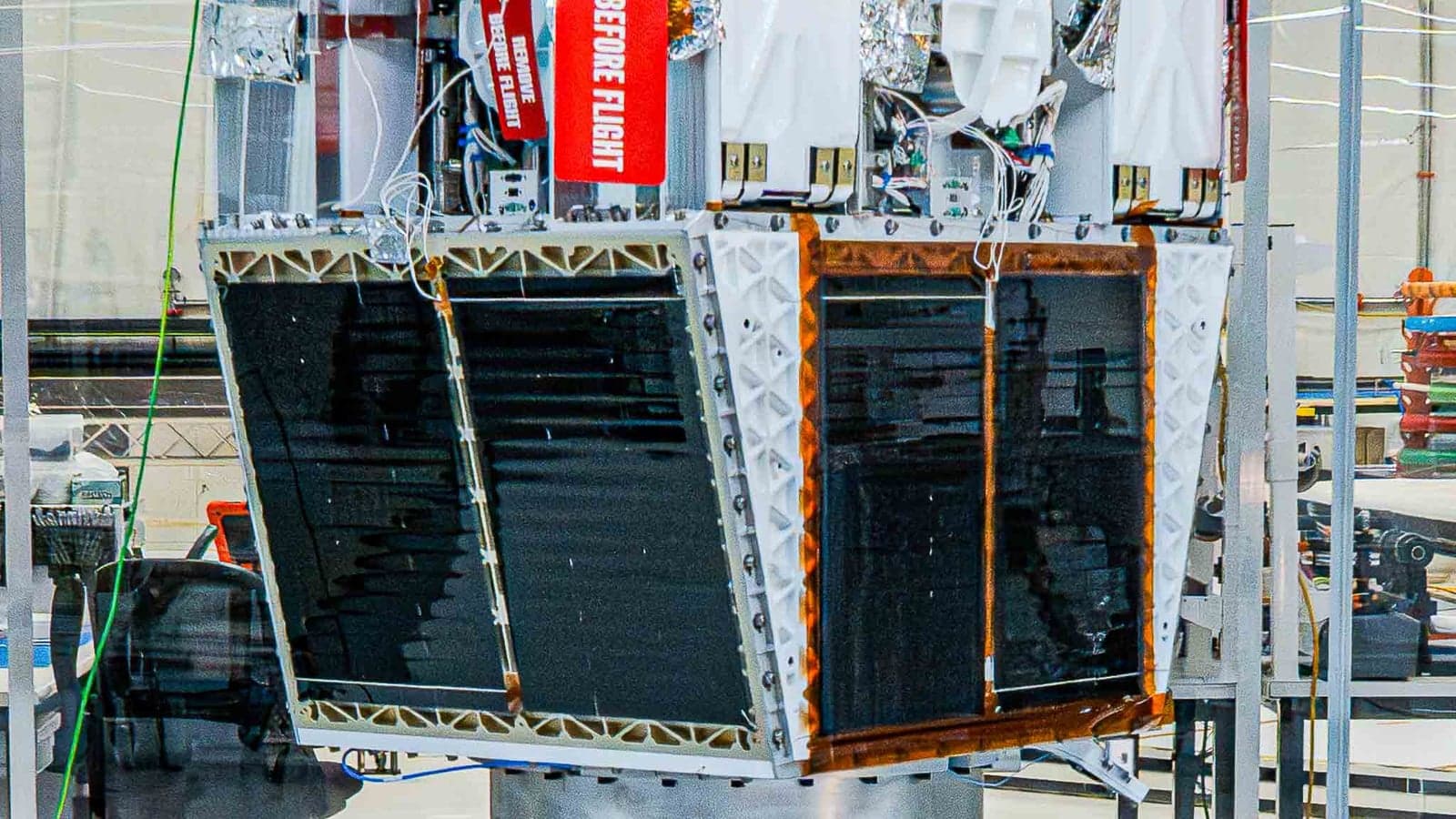
Among recent developments is the NOAA’s Space Weather Follow On-Lagrange 1 (SWFO-L1), which is due to be launched in Autumn 2025 and will remotely image the Sun and make local measurements of the solar wind, high-energy particles and the interplanetary magnetic field with the goal of providing advance warning of space weather events.
In Britain, UK Research and Innovation has recently funded with £5 million ($6.7 million) a five-year project led by the University of Exeter to develop an open source modelling suite to improve understanding of activity in the solar atmosphere and by extension its impacts on the Earth.