IEA receives $22 million annual funding stream to expedite net zero roadmaps
Yusuf Latief
Posted on: 24 March 2022
The IEA has received a major funding boost from member countries, enabling the scale-up of work supporting the clean energy transition.
The International Energy Agency (IEA) has received a major funding boost in the form of a €20 million ($22 million) funding stream from member countries, enabling the scale-up of work supporting the clean energy transition.
The new funding stream will support efforts to achieve greater clean energy investment in emerging economies, as well as to boost work on policy advice, training and net zero roadmap development.
Clean Energy Transitions Programme
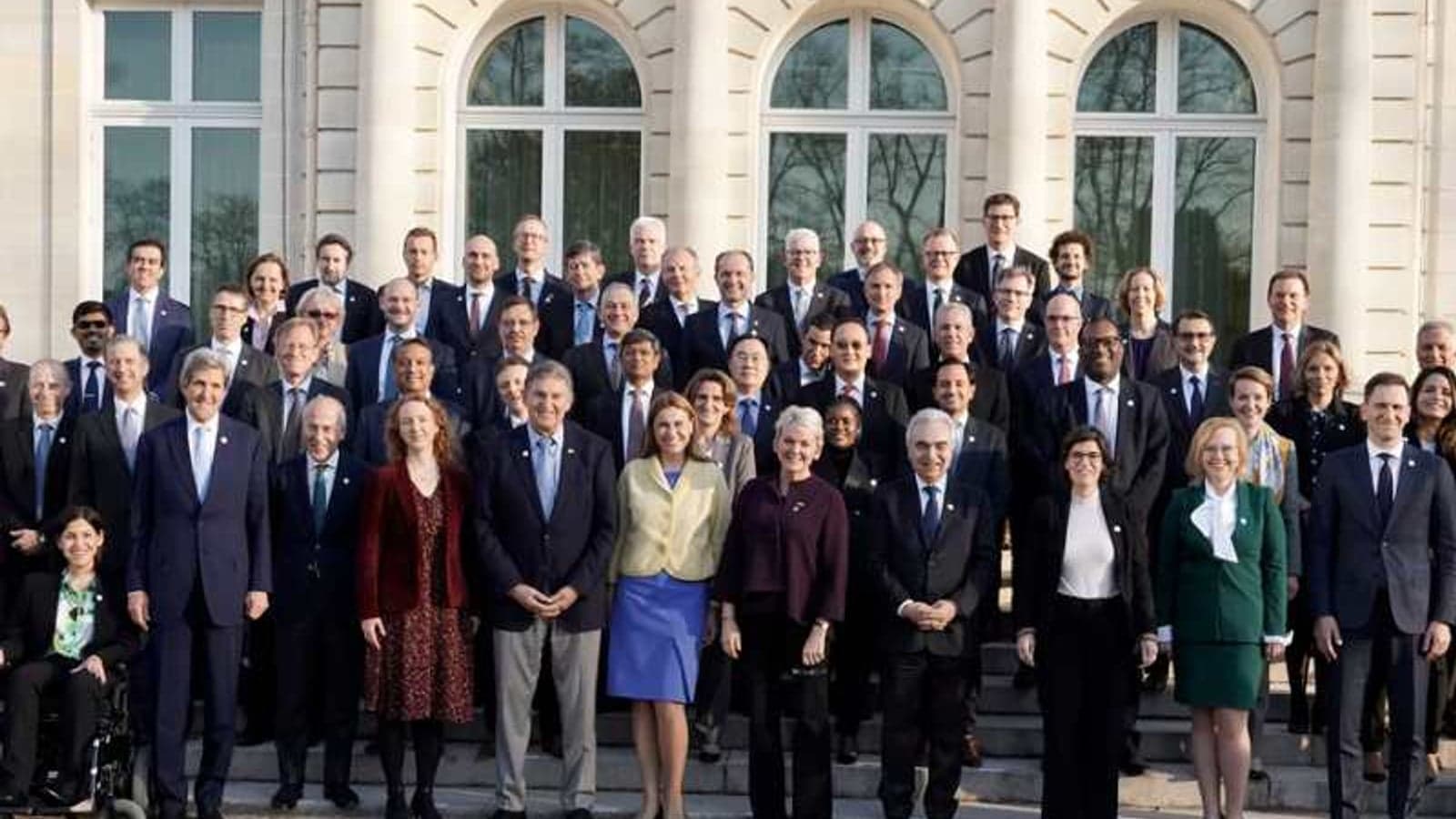
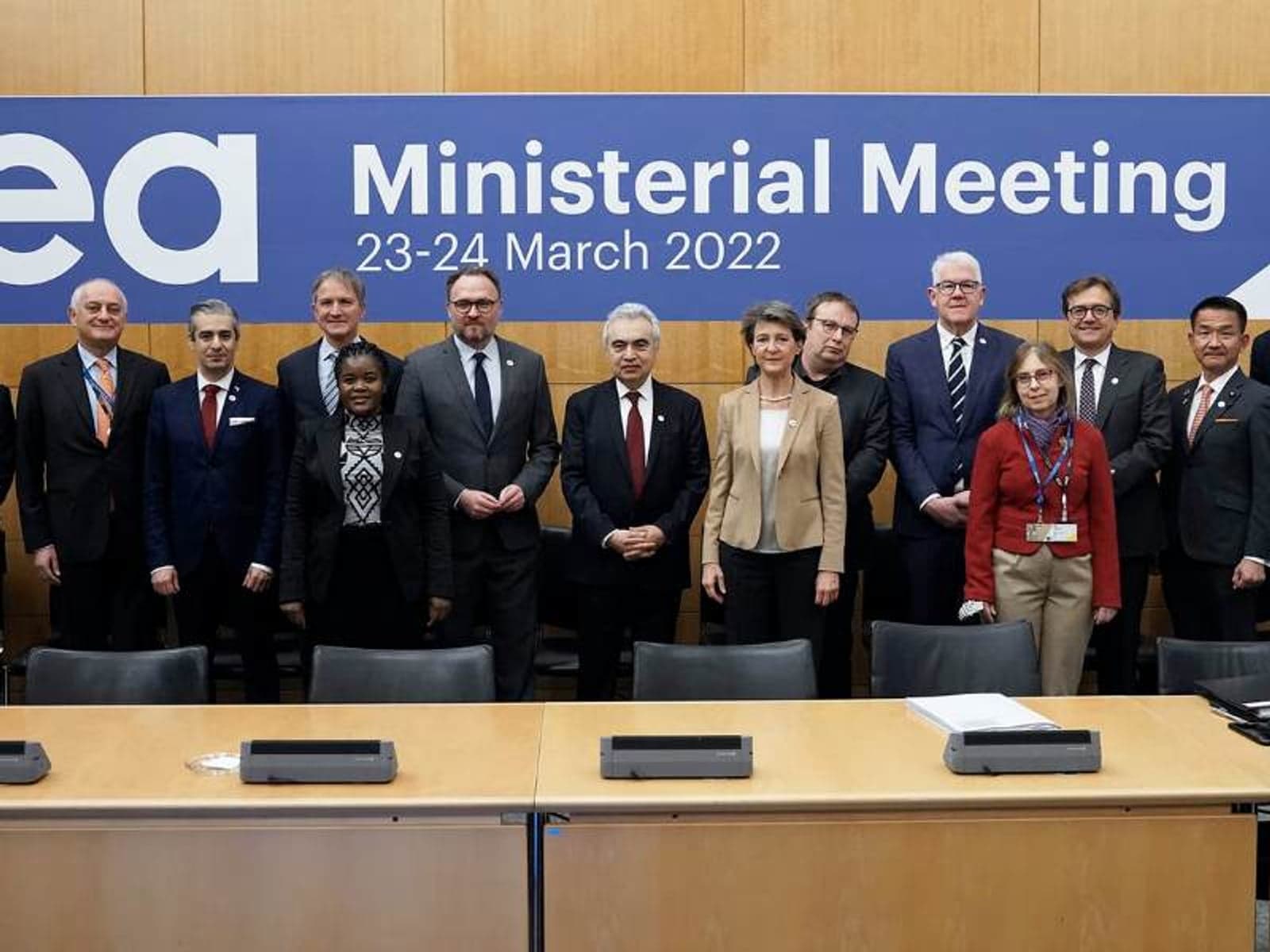
The funding increase is being allocated to the IEA’s Clean Energy Transitions Programme (CETP). The CETP was announced at a special event on the side-lines of the 2022 IEA Ministerial Meeting in Paris. The meeting saw ministers from IEA member countries and beyond discuss how to accelerate clean energy transitions and strengthen energy security in the face of Russia’s aggression in Ukraine. A key focus of the CETP is helping emerging economies strengthen their policy and regulatory frameworks to attract required clean energy investment. The programme also works on addressing issues related to innovation and the environment. The new CETP funding stream will come from voluntary contributions by 15 IEA member countries and the European Union. It will expand the IEA’s development of more tailored and actionable national net zero roadmaps for emerging economies. Additionally, it will enhance efforts to track progress on reducing energy sector emissions.Have you read: IEA: Increasing renewables in Moldova’s energy mix is key IEA report spurs governments to support clean energy start-ups IEA – Cut EU reliance on Russian gas with renewables, nuclear and energy efficiency
Supporting transitions to net zero
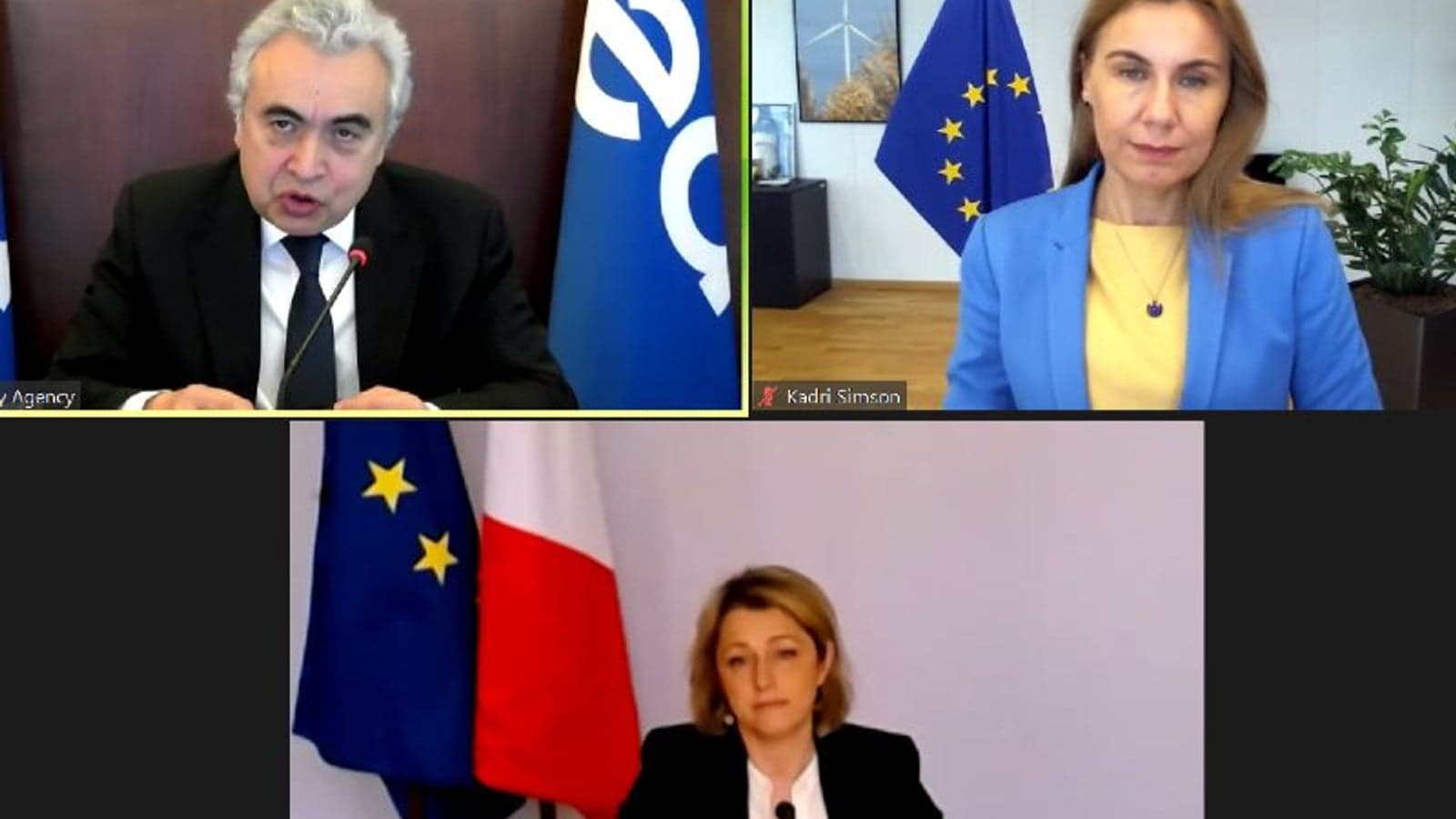
The stream itself is also seen as an endorsement by governments of the IEA’s role in helping the global energy system transition to net zero emissions. “To solve the climate crisis, we must take bold and transnational actions to ensure a green and sustainable future,” said Danish Minister for Climate and Energy Dan Jørgensen, who chaired the event on the CETP. “The CETP is the main vehicle for the IEA to drive real global change and clean energy transition towards net zero.”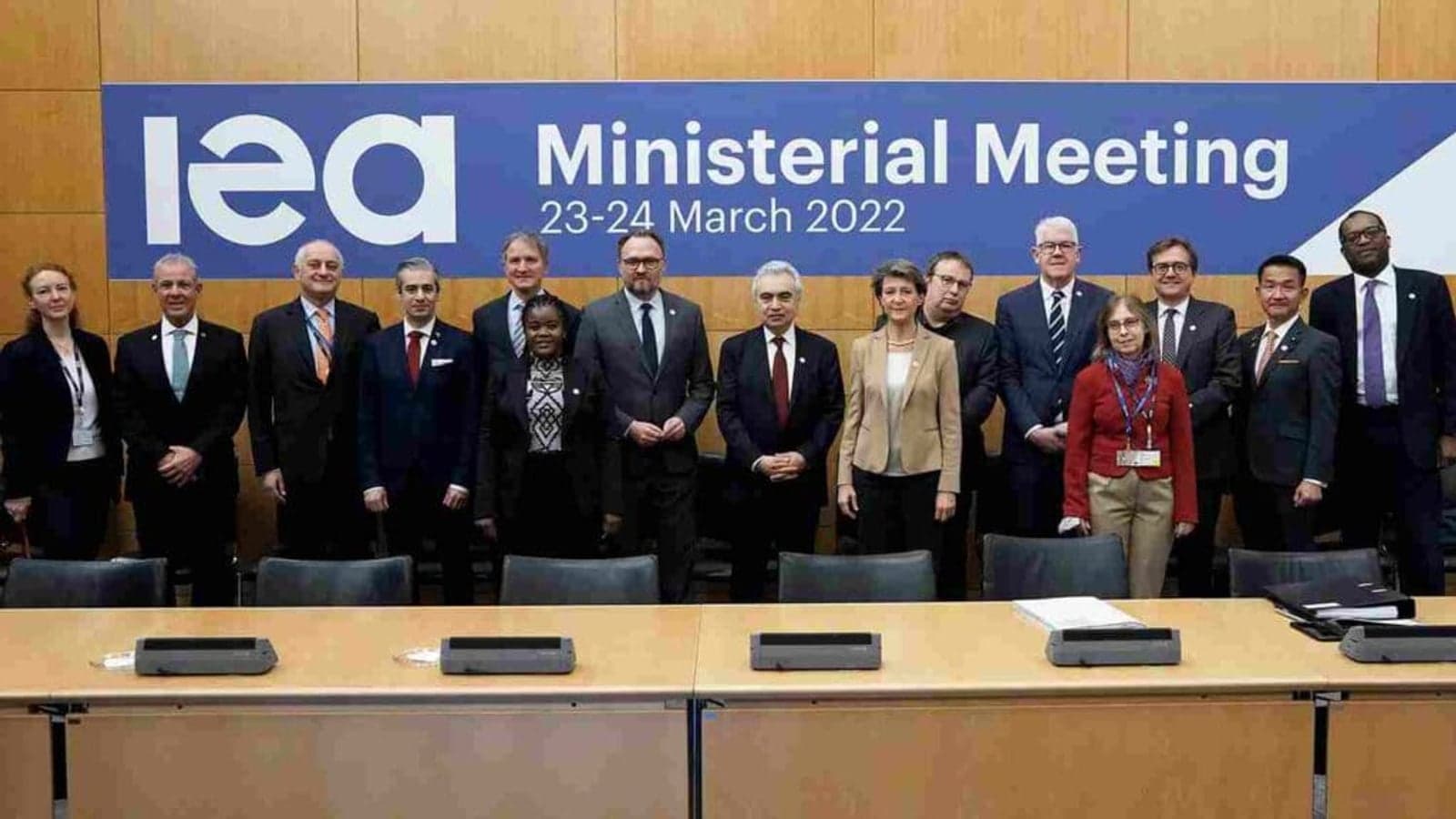
Since its creation in 2017, the CETP has established cooperation on clean energy with the largest emerging economies, including Brazil, China, India, Indonesia and South Africa.
The CETP provides a range of policy advice, training and capacity building to help these economies move towards sustainable low-carbon solutions. It simultaneously hopes to support them in ensuring energy security and economic opportunities.