Industry calls on EU for investment-driven geothermal plan
Pamela Largue
Posted on: 8 December 2025
The European Geothermal Energy Council has published nine recommendations to unlock geothermal energy, boosting affordability and energy security.
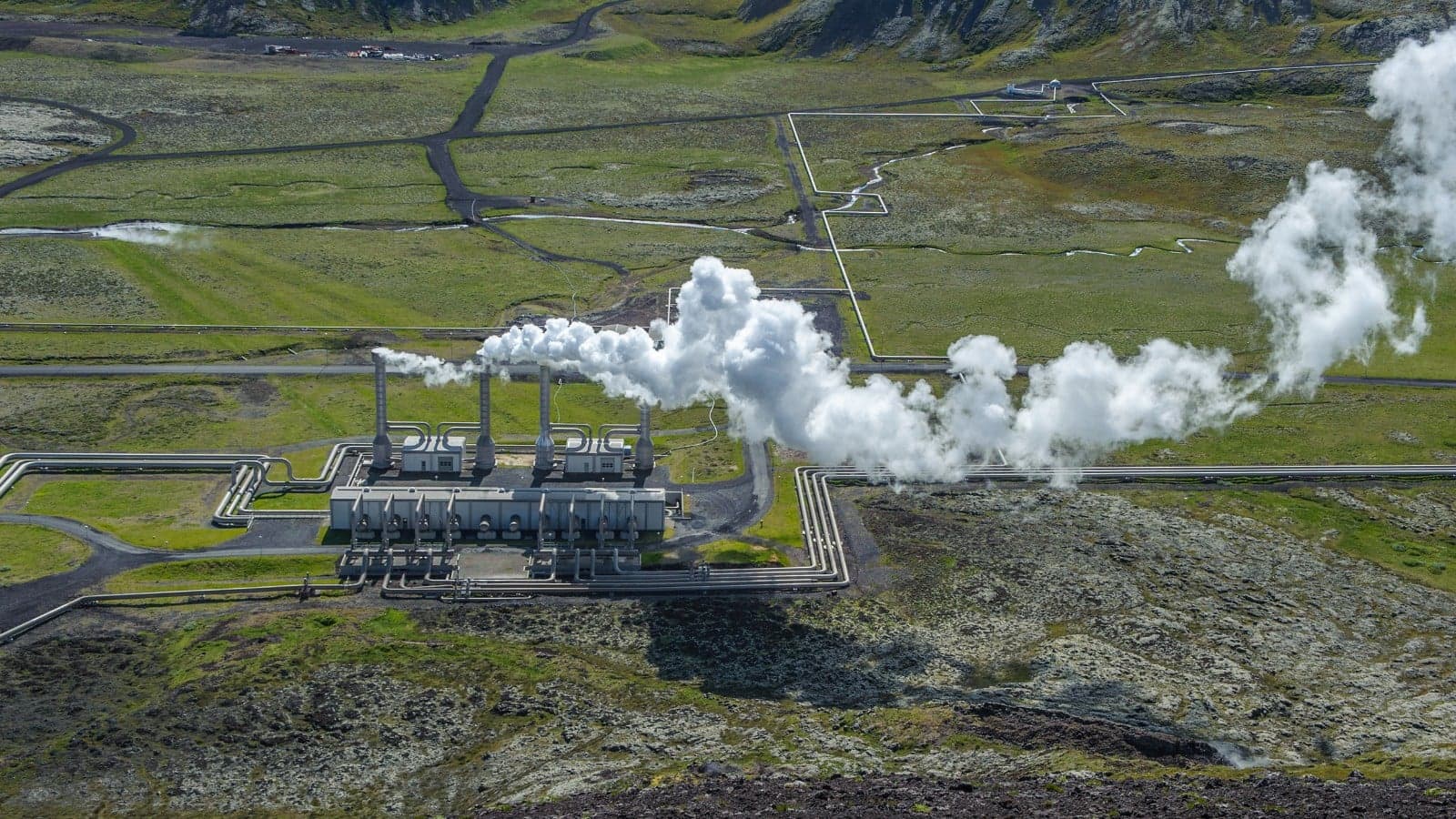
The European Geothermal Energy Council (EGEC) is urging the European Commission to publish an investment-focused action plan capable of accelerating geothermal deployment across the EU.
The Commission’s Geothermal Strategy and Action Plan is expected in Q1 2026, and EGEC says the upcoming blueprint must deliver the political and financial signals needed to unlock the sector’s full potential.
Releasing its recommendations ahead of the strategy, EGEC stressed that geothermal can provide affordable, secure and competitive heat and power, yet remains overlooked in Europe.
“Geothermal should be a major part of our energy conversation, but it’s still treated as niche,” said Sanjeev Kumar, EGEC’s policy director.
He noted that while the International Energy Agency expects geothermal capacity to grow globally, less growth is expected in Europe.
The reason, said Kumar, is that Europe lacks a clear action plan and targets to activate investment. Targets are an essential building block to unlocking the heat and electricity potential geothermal has to offer.
“The target is an essential building block to ensure an investment focus.”
Davor Stier MEP, Member of the European Parliament’s Committee on Industry, Research and Energy, echoed the sentiment stating that: “Europe needs a standalone action plan and legislative proposal…Not an annex to an annex.”
Stier called on the European Commission to ensure geothermal has a clear political identity and an equal footing to that of solar in the taxonomy framework.
“Europe can’t afford to send a signal of fragmentation,” said Stier, adding that this action plan must provide clear targets to drive acceleration and accountability.
“Europe has the potential, the technology, what we need now is the political framework to unlock it,” concluded Stier.
The focus now needs to be on growing the project and investment pipeline. According to Kumar: “There are many complaints from the financial community who say there aren’t enough projects to invest in.”
Have you read?
Geothermal boom will see capacity triple by 2030 says IEA
Factor2 Energy raises $9.1m for CO₂-based geothermal power generation system
The EGEC also calls on the upcoming plan to address hurdles to project bankability and reduce costs.
Heymi Bahar, Senior analyst - Renewable Energy Markets and Policy at the International Energy Agency, recommends the sector explore deeper drilling to unlock more potential and leverage the skills and expertise of the oil and gas sector to reduce the cost of deeper drilling projects.
Strong policy signals will also stimulate demand and further reduce cost, says Bahar.
“If the LCOE for geothermal can reach $50-70 per MWh in the coming 5-10 years we will see important volumes unlocked.”
With these goals in mind, the EGEC has called on the Commission’s plan to include the following elements:
- An EU-wide target to reach 250GW of geothermal capacity by 2040 covering all technologies. This will build on the 44GW of installed capacity in the EU.
- A European Geothermal Charter is needed, which codifies the 2040 target and launches the Geothermal Industrial Alliance to manage its delivery.
- Targeted European financial instruments must be used to leverage private capital.
- Measures must be implemented to make permitting processes more efficient and faster, as well as improving access to geological data.
- Sectoral or tripartite agreements must be in place with key energy consumers.
- Peer-to-peer guidance needed to help governments develop national and regional roadmaps to remove barriers, accelerate investments and build local supply chains.
- European instruments requried to support value chain development in local manufacturing and skilled professionals.
- The inclusion of geothermal energy as a central pillar of the EU’s Global Gateway and the Global Energy Transition Forum.
- Improvements to the collection and presentation of market data and statistics to enable better energy modelling.
The European Commission is also planning to release its EU Heating and Cooling Strategy in Q1 next year.
Kumar suggests that since 40% of Europe’s energy is used for heating and cooling, more can be done to align the action plans and tap into geothermal energy to decarbonise this sector.