Geothermal boom will see capacity triple by 2030 says IEA
Kelvin Ross
Posted on: 7 October 2025
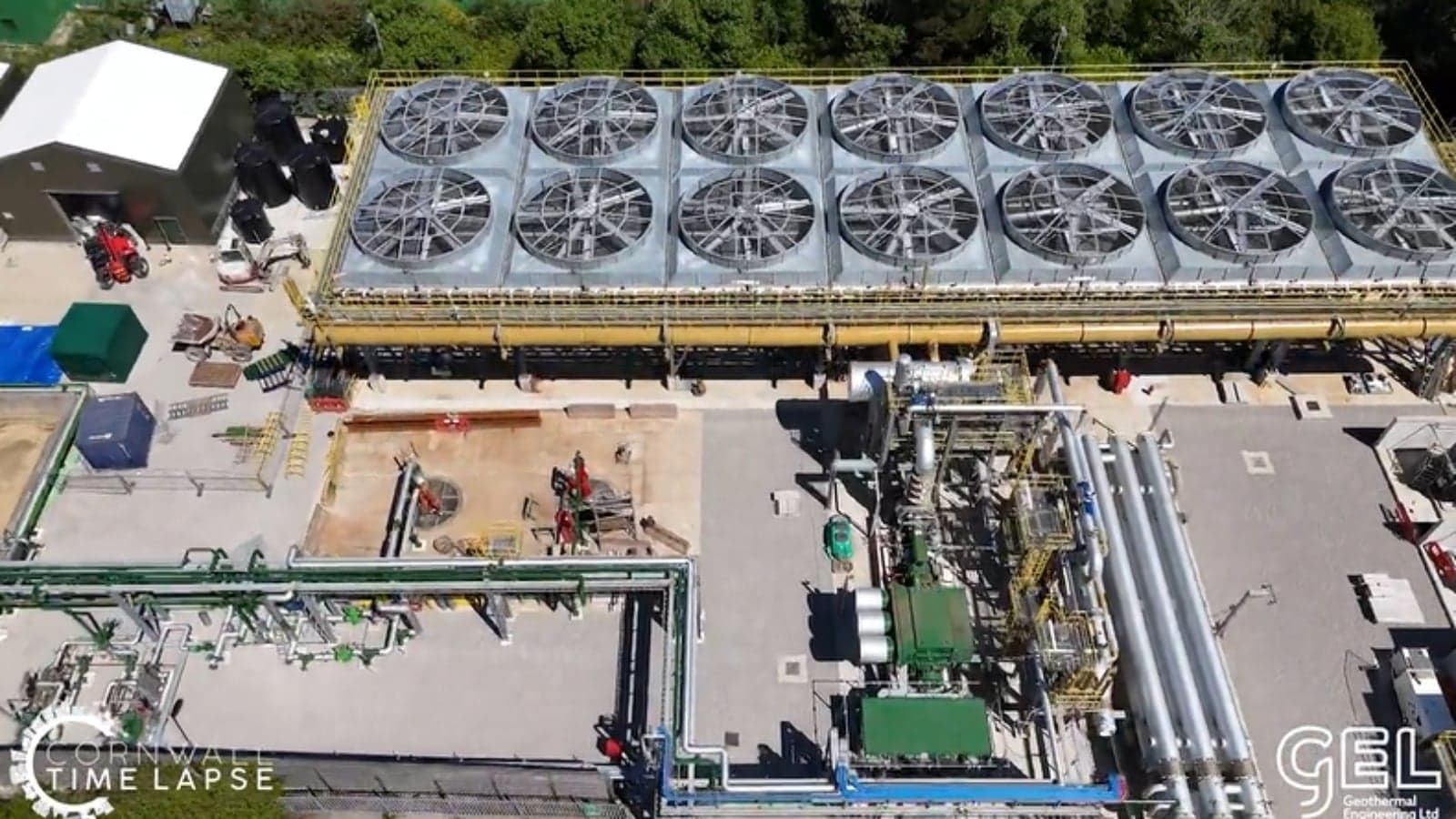
geothermal sector was highlighted by IEA executive director Fatih Birol as a “dynamic component” of the energy transition.
Geothermal energy is enjoying a boomtime and by 2030 its capacity addition will reach a ‘historic high’, according to the International Energy Agency.
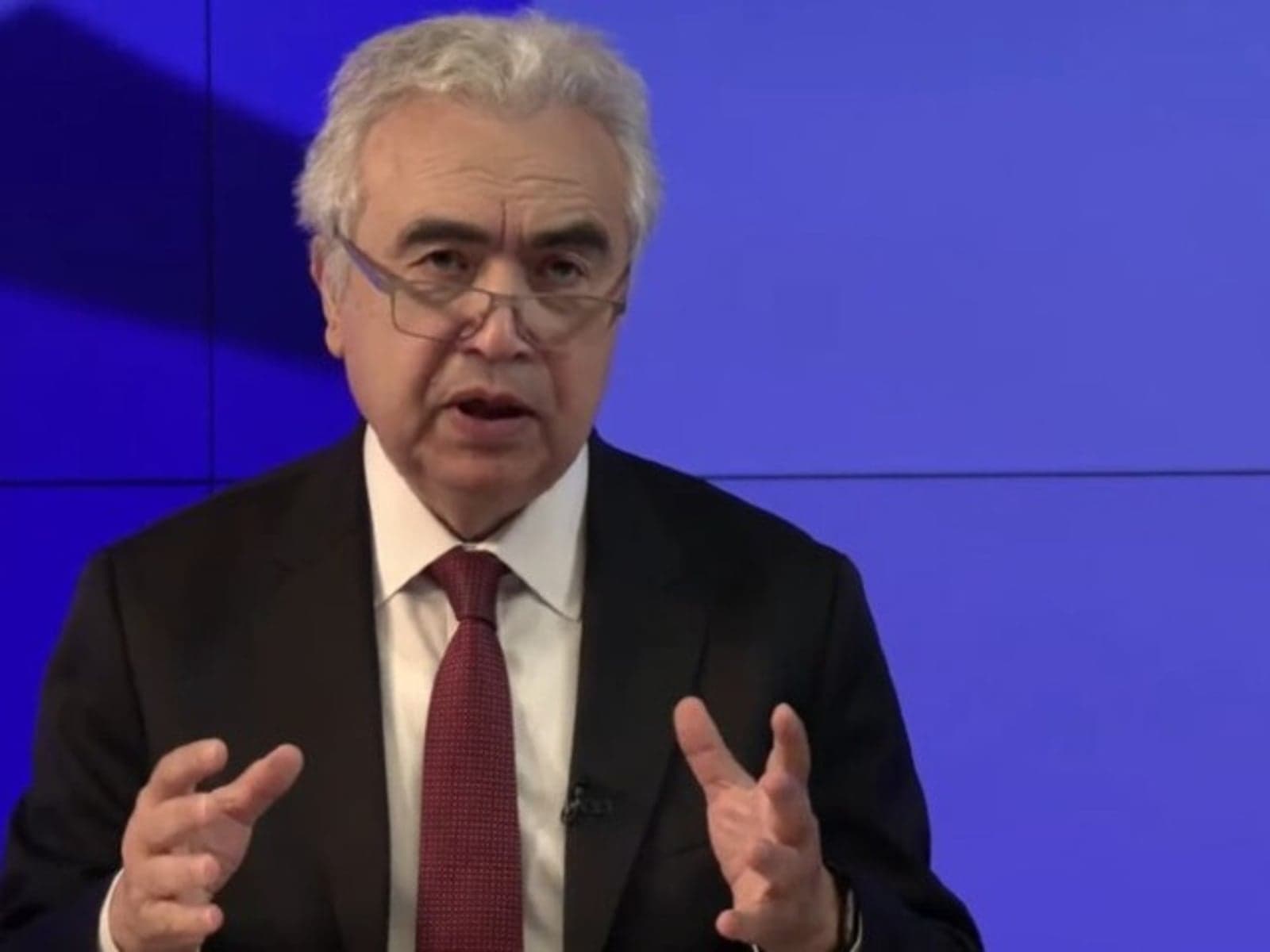
The geothermal sector was highlighted by IEA executive director Fatih Birol as a “dynamic component” of the energy transition.
Speaking at a press conference to launch the IEA’s annual renewable energy report, he said he expected to see “a growing contribution from geothermal both from the markets which use established traditional technologies, but also those using next generation advanced technologies”.
Countries set to lead this boom are the US, Indonesia, Japan, Türkiye, Kenya and the Philippines.
More geothermal news:
$9.1m for CO₂-based geothermal power generation system
Fervo taps Baker Hughes equipment for geothermal project
University of York launches geothermal ‘living lab’ project
The IEA report sees global renewable power capacity increasing by 4600GW by 2030 – roughly the equivalent of adding China, the European Union and Japan’s total power generation capacity combined.
Solar PV will account for around 80% of the global increase in renewable power capacity over the next five years – driven by low costs and faster permitting timeframes – followed by wind, hydro, bioenergy and geothermal.
Rising grid integration challenges are renewing interest in pumped-storage hydropower, whose growth is expected to be almost 80% faster over the next five years compared with the previous five.
More from IEA renewables' report
Grid bottlenecks keeping 1700GW of renewables ‘in the queue’
The IEA found that in emerging economies across Asia, the Middle East and Africa, “cost competitiveness and stronger policy support are spurring faster growth of renewables, with many governments introducing new auction programmes and raising their targets”.
It adds that India is on course to become the second-largest renewables growth market globally, after China, and is expected to “comfortably reach its ambitious target by 2030”.
Birol added that “as renewables’ role in electricity systems rises in many countries, policymakers need to play close attention to supply chain security and grid integration challenges.”
The report’s outlook for global renewable capacity growth is revised downward slightly compared with last year, mainly due to policy changes in the US and in China.
The early phase-out of federal tax incentives along with other regulatory changes in the US almost halved the IEA’s growth expectations for renewables in the American market % compared with last year’s forecast.
Meanwhile, the report concludes that China’s shift from fixed tariffs to auctions “is impacting project economics, resulting in a reduction in our forecast for renewables’ growth in the Chinese market”.