Fervo Energy in $421m geothermal financing disruption
Kelvin Ross
Posted on: 19 March 2026
Oversubscribed financing for flagship project proves “enhanced geothermal systems are a highly bankable asset class” says Fervo boss.
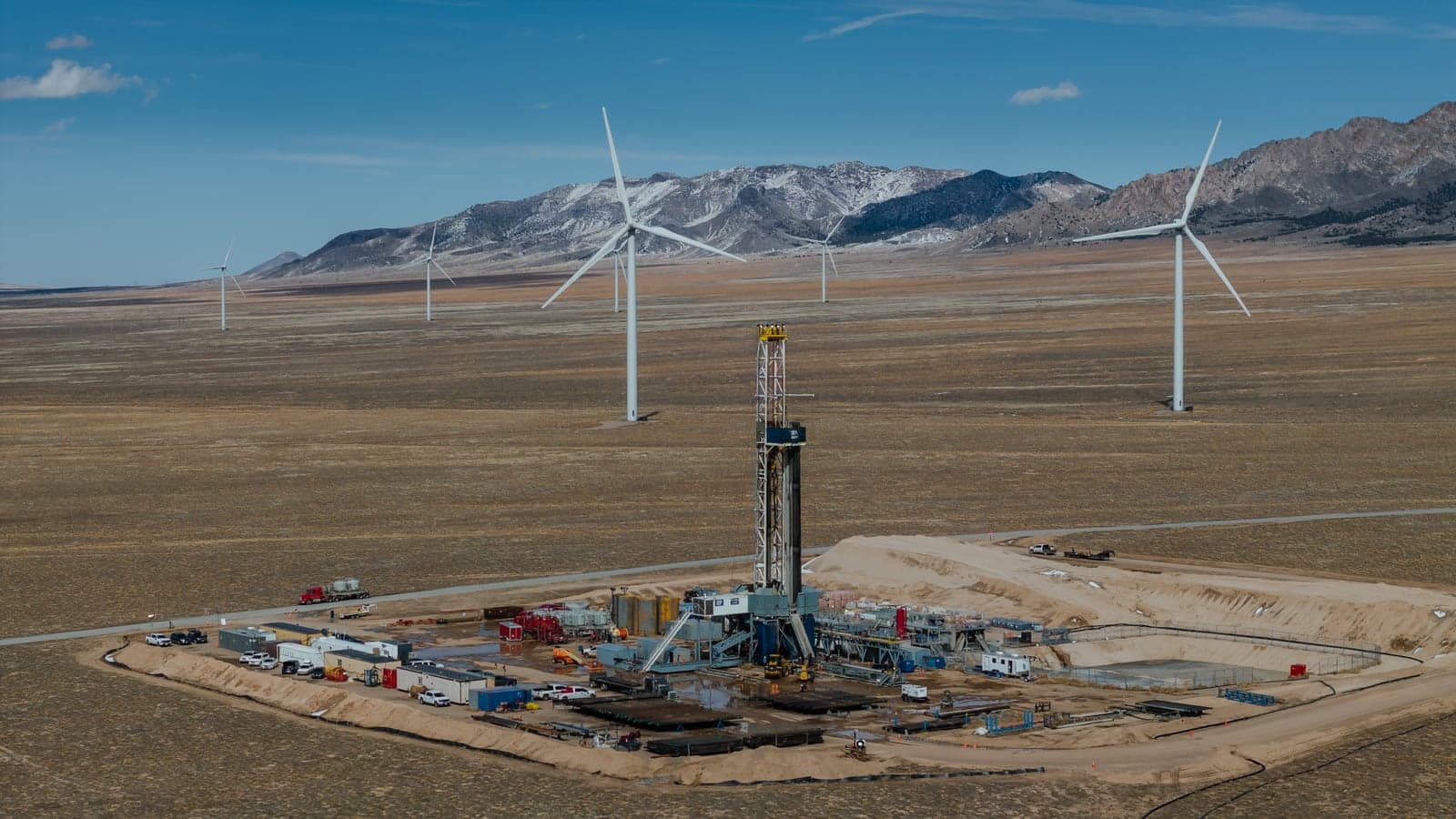
US geothermal company Fervo Energy has closed $421 million in non-recourse debt financing for the first phase of what it calls its ‘flagship’ project.
The Cape Station development is in Beaver County, Utah, will deliver first power to the grid this year and is expected to reach approximately 100 MW of operating capacity by early 2027, with plans to scale to 500 MW.
The development is contracted through power purchase agreements with Southern California Edison and Shell Energy and is intended to meet surging power demand from data centers, a resurgence in domestic manufacturing, and accelerating electrification.
Fervo said the oversubscribed financing marks Cape Station’s transition from early stage and bridge funding to a long-term, non-recourse project capital structure.
Narrative disruptor
“Non-recourse financing has historically been considered out of reach for first-of-a-kind projects,” said David Ulrey, Chief Financial Officer at Fervo Energy.
“Cape Station disrupts that narrative. With proven oil and gas technology paired with AI-enabled drilling and exploration, robust commercial offtake, operational consistency, and an unrelenting focus on health and safety, we have shown that enhanced geothermal systems are a highly bankable asset class.”
Drill down into our geothermal series this month:
Superhot geothermal: technologically challenging but easier than flying to Mars
Why the UK should harness its hidden geothermal potential
The $421 million financing package includes a $309 million construction-to-term loan, a $61 million tax credit bridge loan, and a $51 million letter of credit facility. Together, these facilities will fund the remaining construction costs for the first phase of Cape Station and support the project’s counterparty credit support requirements.
RBC Capital Markets served as Fervo’s financial advisor and was a coordinating lead arranger alongside Barclays, BBVA, HSBC, MUFG and Société Générale. Other participating lenders included J.P. Morgan, Bank of America, and Sumitomo Mitsui Trust Bank, Limited, New York Branch. White & Case LLP acted as sponsor counsel for Fervo, while Norton Rose Fulbright acted as counsel for the lender group.
“As demand for firm, clean, affordable power accelerates, enhanced geothermal systems are set to become a core energy asset class for infrastructure lenders,” said Sean Pollock, Managing Director, Project Finance at RBC Capital Markets. “Fervo is pioneering this step change with Cape Station, a vital contribution to American energy security that RBC is proud to support.”
Hottest well drilled
Last month Fervo announced it had drilled its hottest well to date, also in Utah. The appraisal drilling at greenfield geothermal site Project Blanford in Millard County confirmed resource temperatures above 555°F at approximately 11,200 feet deep.
Drilled in under 11 days, the vertical appraisal well marked the hottest well drilled in Fervo’s history.
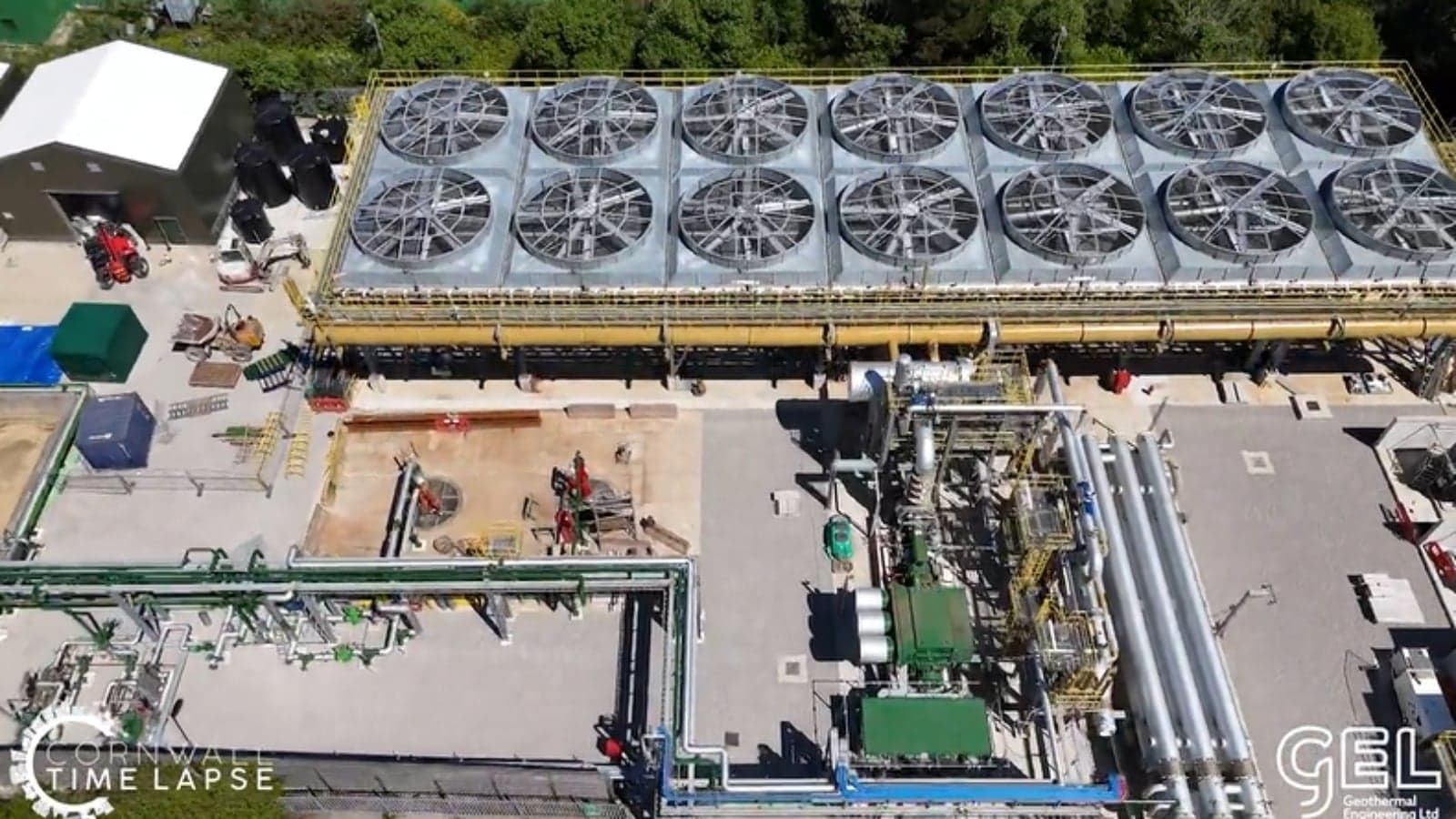
There is increasing momentum behind geothermal energy, both in the US and in Europe. Last month in the UK, Geothermal Engineering’s United Downs geothermal plant in Cornwall started commercial power generation – a first for the UK.
Geothermal Engineering drilled to over 5km deep to tap into naturally heated water exceeding 190°C – the hottest recorded in the country. The heat generates electricity 24/7, with Octopus Energy already signing a 3MW power purchase agreement to power about 10,000 homes.
The company’s chief executive, Dr Ryan Law, told Enlit in an exclusive interview: “This milestone is broader than the UK. It proves that these systems can be developed and work to provide baseload power that will be increasingly needed. The more of these systems that we can prove, the more investment will flow in.”
Dr Charlotte Adams, Chief Executive of the UK National Geothermal Centre, believes that the current energy crisis caused by events in the Middle East add weight to the case for geothermal energy.
“We’ve been heavily reliant on gas, and we’re now increasingly reliant on imports. Geothermal protects against market volatility. It’s an investment in long-term energy security.”