Iron piloted for seasonal hydrogen storage
Jonathan Spencer Jones
Posted on: 3 September 2024
The use of iron as a low cost approach for storing hydrogen is being piloted by researchers at the ETH Zurich in Switzerland.
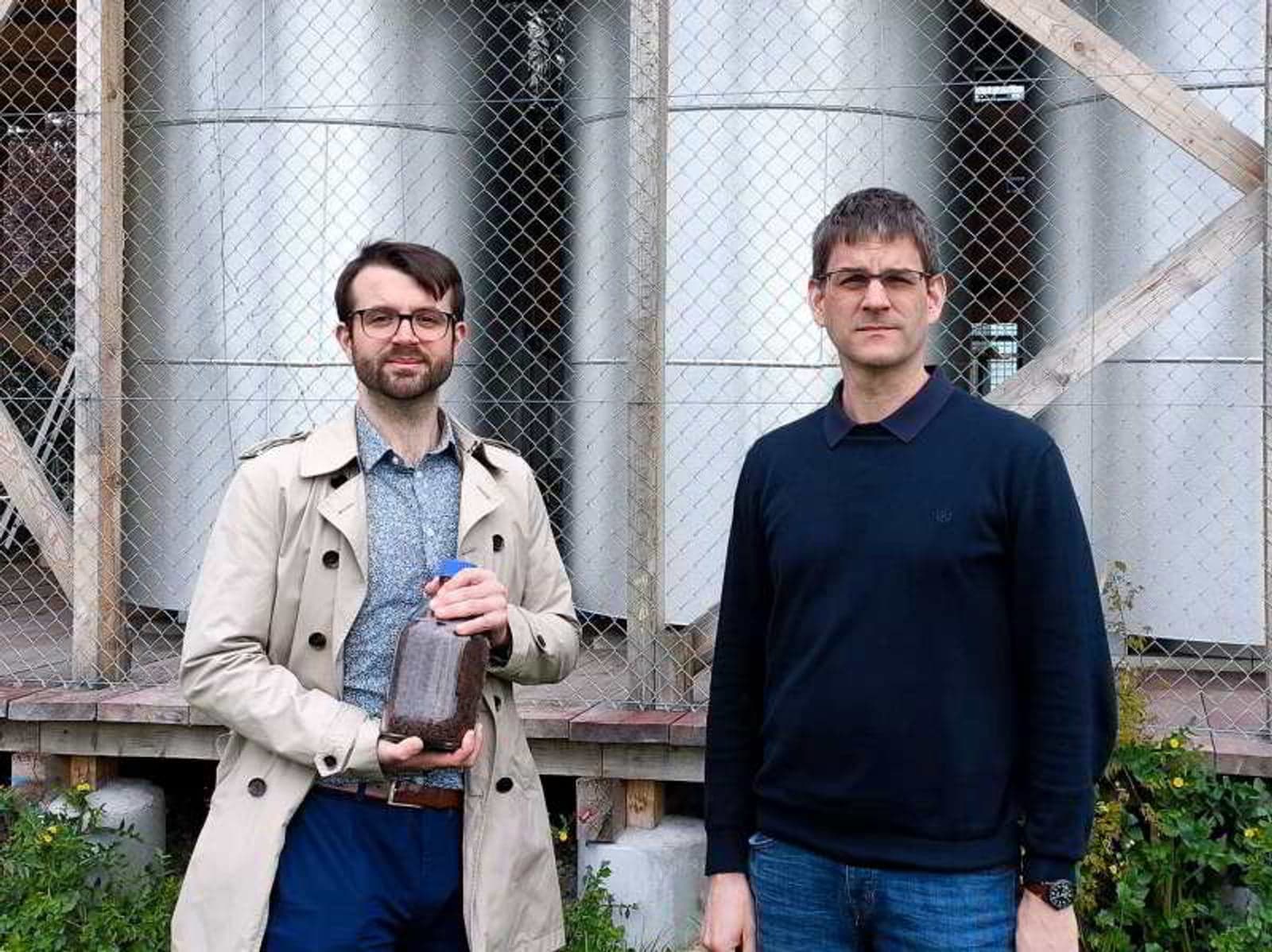
The use of iron as a low cost approach for storing hydrogen is being piloted by researchers at the ETH Zurich in Switzerland.
The approach relies on the reaction of hydrogen with natural iron ore, which extracts the oxygen from the ore to result in elemental iron and water that can then be stored for long periods with minimal losses.
When the energy is needed again, the process can be simply reversed by feeding hot steam into the reactor to turn the iron and water back into iron oxide and hydrogen and the hydrogen then converted into electricity or heat in a gas turbine or fuel cell.
Such an approach could be used for example for clean hydrogen production and storage in summer when solar power is abundant and its reconversion in winter when the demand is higher.
Have you read?
Solving the hydrogen storage problem through reticular chemistry
Energy Transitions podcast: Why green hydrogen is part of the decarbonisation toolkit
The chemical process is similar to charging a battery, comments Professor Wendelin Stark from ETH Zurich’s Department of Chemistry and Applied Biosciences, who is leading the research.
“The big advantage of this technology is that the raw material, iron ore, is easy to procure in large quantities. Plus it doesn’t even need processing before we put it in the reactor.”
The technical feasibility of the technology is being demonstrated in a pilot plant on ETH Zurich’s Hönggerberg campus consisting of three stainless steel reactors with a capacity of 1.4m3, each of which has been filled with 2–3t of untreated iron ore available on the market.
The pilot plant can store around 10MWh of hydrogen over long periods, which depending on how the conversion of hydrogen into electricity, gives 4-6MWh of power – approximately the electricity demand of three to five Swiss single-family homes in the winter months.
At present, the system is still running on electricity from the grid and not on the solar power generated on the Hönggerberg campus, but this is soon set to change.
The researchers want to expand the system such that by 2026, the ETH Hönggerberg campus can meet one-fifth of its winter electricity requirements using its own solar power from the summer.
This would require reactors with a volume of 2,000m3, which could store around 4GWh of green hydrogen. Once converted into electricity, the stored hydrogen would supply around 2GWh of power.
In addition, the discharging process would generate 2GWh of heat, which the researchers want to integrate into the campus’s heating system.
Currently in the pilot, to keep the energy required for the discharging process to a minimum, the steam is generated using waste heat from the discharging reaction.
Hydrogen storage benefits
A benefit of the technology is that whereas hydrogen storage requires special pressurised containers and cooling technology, the reactor in which the reaction takes place doesn’t have to fulfil any special safety requirements and consists of stainless steel walls just 6mm thick.
The reaction takes place at normal pressure and the storage capacity increases with each cycle. Once filled with iron oxide, the reactor can be reused for any number of storage cycles without having to replace its contents.
Also of interest: Roadmap released to unlock underground hydrogen storage
A further advantage is that the technology is scalable by building bigger reactors and filling them with more iron ore.
These advantages make this storage technology an estimated ten times cheaper than existing methods.
The project is part of ETH Zurich’s Coalition for Green Energy and Storage with industry partners to accelerate to market innovative technologies for the production and storage of carbon-neutral gases and fuels and for CO2 capture.
The next step will be to establish an association that will network interested stakeholders and provide them with scientific support and guidance to facilitate the implementation of projects.