UK must extend gas-fired fleet to beat blackouts says report
Jonathan Spencer Jones
Posted on: 17 January 2026
To meet electrification ambitions, significant new gas-fired power generation capacity is needed in Great Britain, a new report calls.
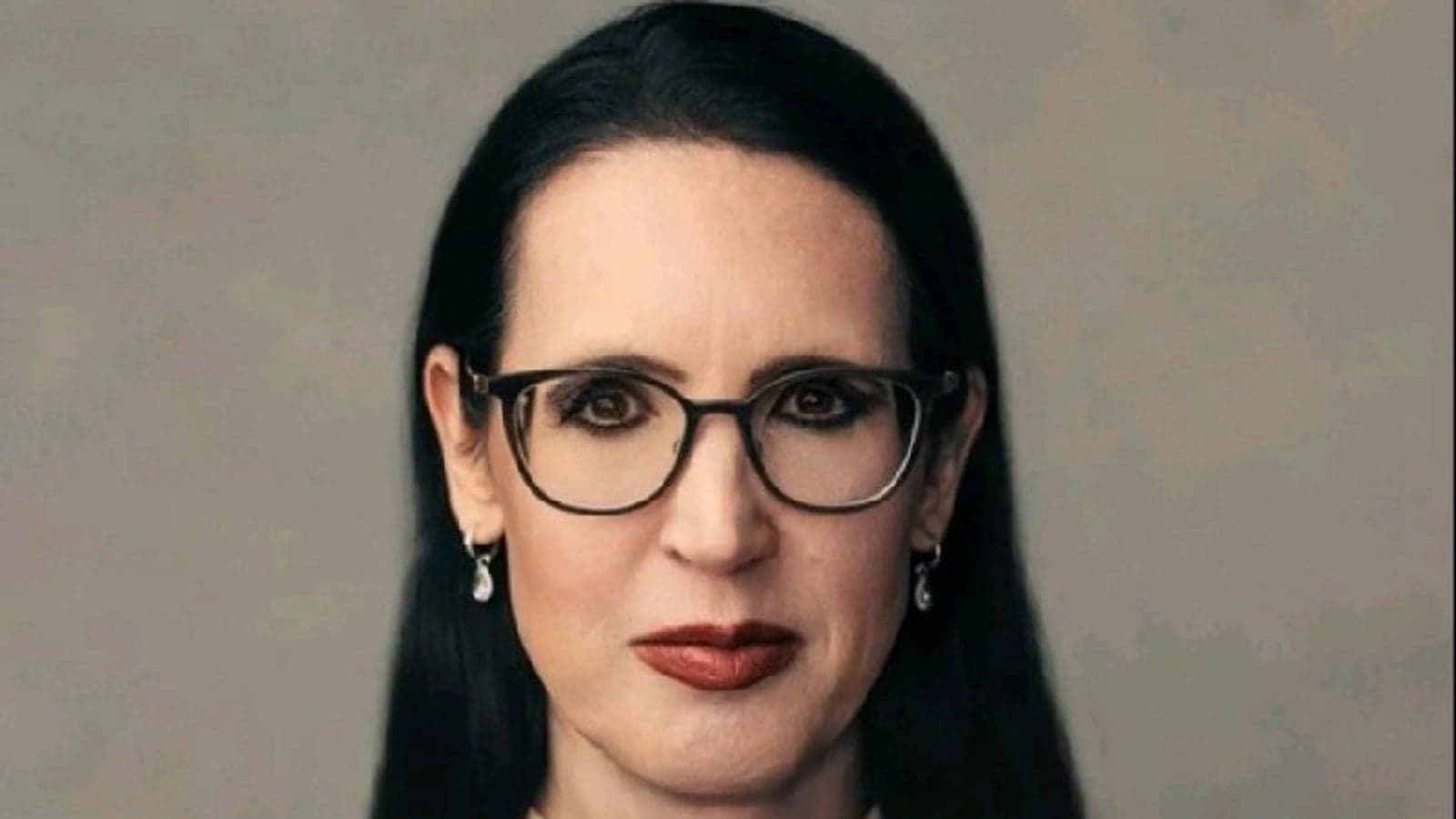
A report from independent consultancy Watt-Logic points to renewables in the UK being unable to provide security of supply during prolonged low wind winter events and reliance on interconnectors being risky when neighbouring systems face similar weather patterns.
It adds that just under 5GW of nuclear generation is scheduled to close by 2032 at the latest, and around 12GW of combined cycle gas turbine capacity is at risk of closure due to age and declining utilisation – net of new build the loss of some 12GW of generation capacity.
The outcome of this, according to the report, is a 65-85% probability of regional electricity rationing or blackouts by 2030 and a baseline risk of 5-10% of one of these cascading into a full grid failure.
Also of interest
IRENA calls for 'systemic innovation' to deliver energy transition
“Electrification has emerged as the primary strategy for decarbonising heating, transport and large parts of industry, and is increasingly treated as the default pathway for meeting near-term climate objectives,” writes consultant Kathryn Porter, who authored the report and has previously worked for EDF Trading and Centrica.
“The inevitable conclusion is that the electricity system will struggle even to maintain today’s demand reliably, let alone accommodate the 7–10GW of new load implied by electrification agendas.”
She adds: “AI data centres are therefore likely to adopt off-grid solutions, and large-scale electrification of heat and industry appears improbable before 2030 and likely not for several years after that.”
Flexibility as a tool, while potentially significant in the long term, is uncertain and indeed, procurements appear to have collapsed, the report states.
The report notes that Britain is not alone in facing future demand challenges. Norway, despite a highly electrified economy, faces increasing challenges in meeting expected demand with existing resources, while Dutch system operator Tennet has issued unusually explicit warnings regarding grid congestion and supply adequacy.
Germany has gone further, concluding that significant new gas-fired generation will be required in the 2030s to maintain security of supply, despite its continued expansion of renewable capacity.
Porter argues that "to restore Britain’s energy security, government must pivot from aspirational modelling to credible planning".
"This means supporting life extension of ageing gas generation, accelerating procurement of new dispatchable capacity, reforming network investment incentives to prioritise resilience, and reassessing electrification timelines."
She adds that "security of supply must once again become the foundational principle of UK energy policy".