Is Trump’s Big Beautifull Bill pushing energy investors to Europe?
Yusuf Latief
Posted on: 25 July 2025
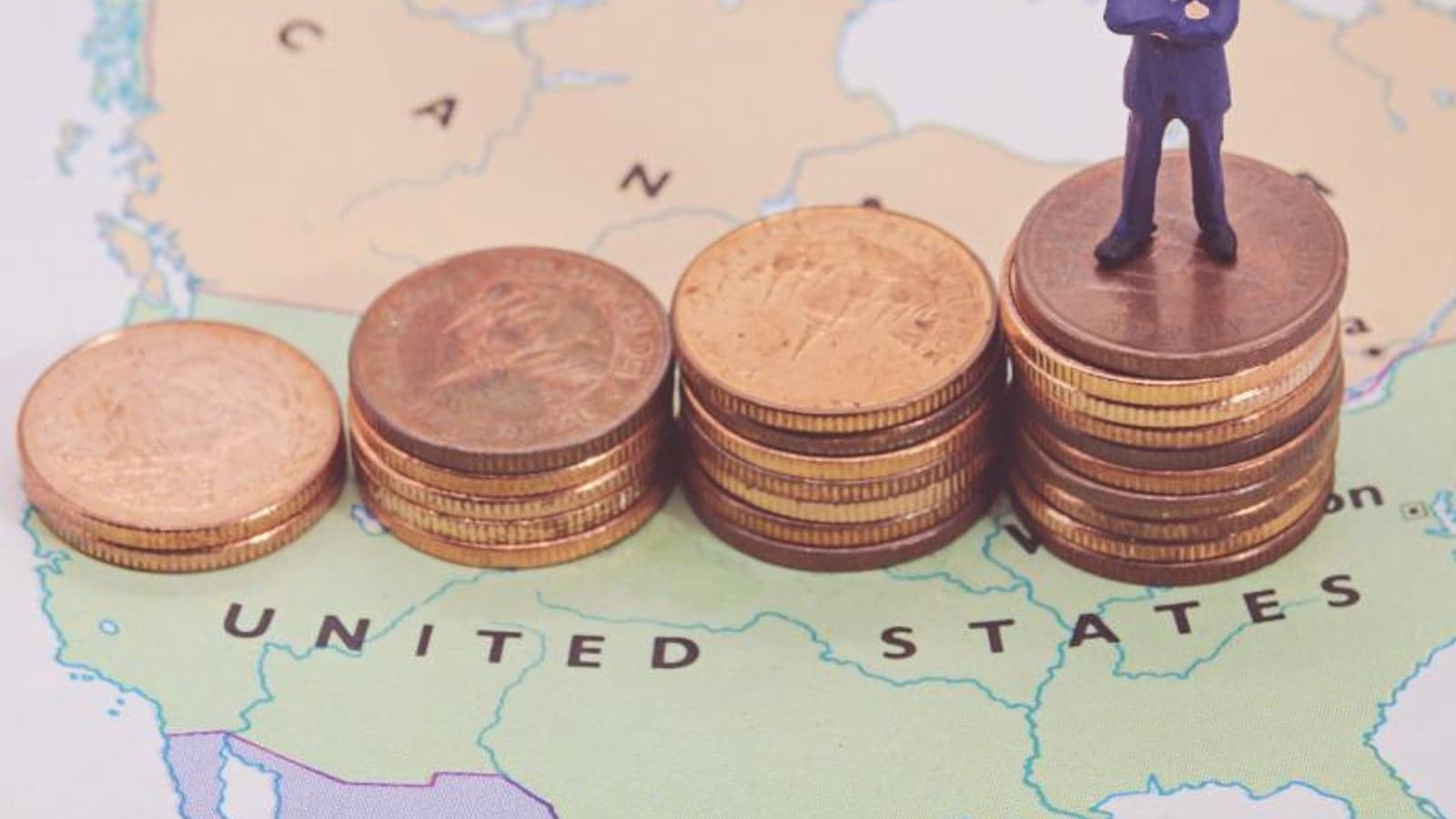
Will energy investors’ interest wander to Europe now that Trump has flipped the script with his Big Beautiful Bill?
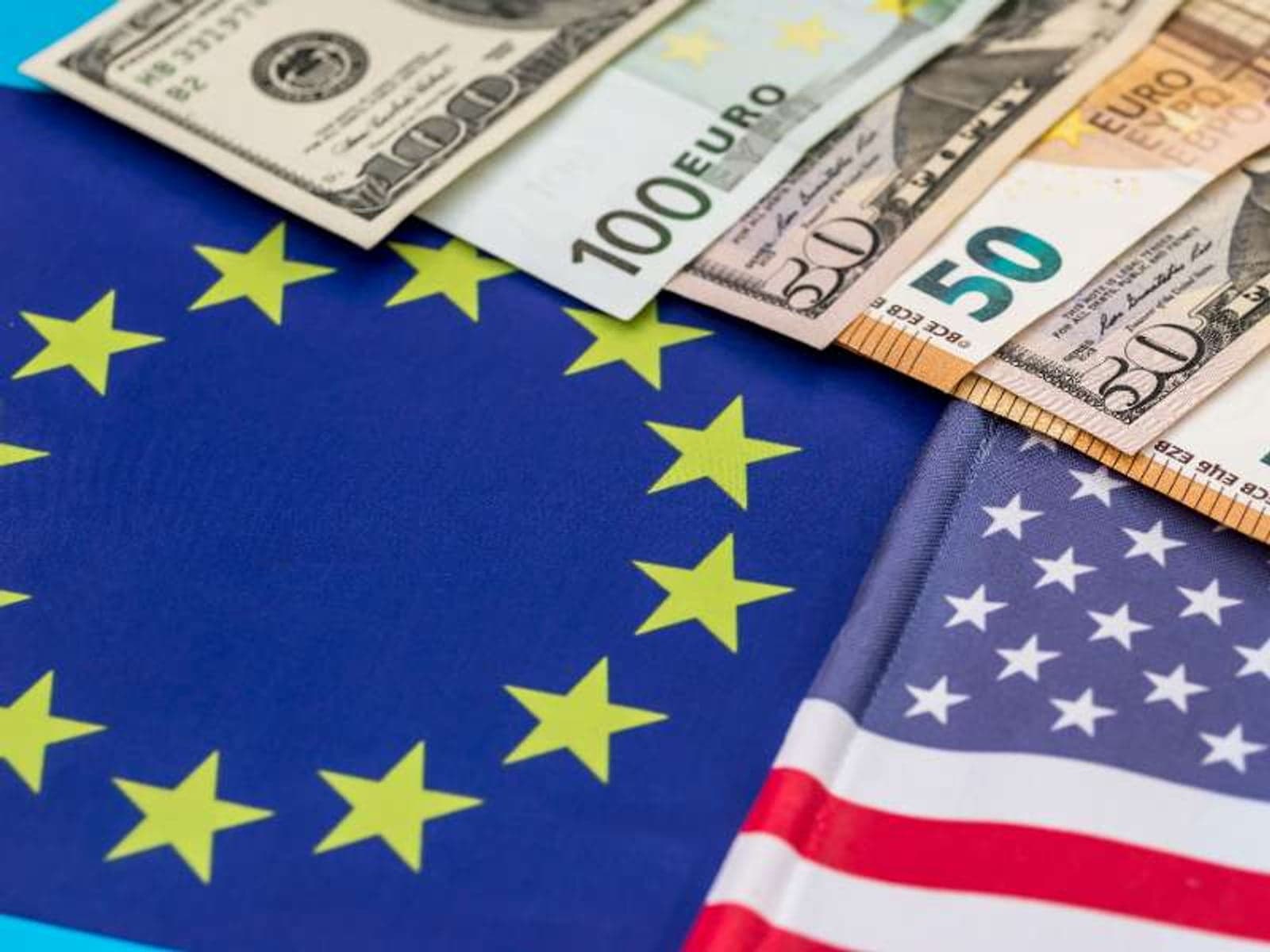
In this week’s Power Playbook: Yusuf Latief discusses how energy investors’ interest will likely start to wander elsewhere now that US President Donald Trump has flipped the script for renewables with the signing of the One Big Beautiful Bill Act.
Trump’s monolithic One Big Beautiful Bill Act (OBBBA) has far-reaching consequences; the country’s energy mix is one of them.
And with its passing on July 4, it shook up the investment landscape, casting a fog of uncertainty onto what had been a prosperous playground for renewables and energy investors under Biden’s carefully constructed Inflation Reduction Act (IRA).
Or at least, that’s certainly the case for global investors considering their stakes in the US.
Gutted investment prospects
“What we've seen from the investors and customers that we've talked to is that the international players who have development portfolios across the globe are asking the question right now of: ‘Should we be decreasing the amount of money that we put in the US and moving it to other regions?’”
So said Chris Seiple, Wood Mackenzie senior research vice president, Power & Renewables, during a webinar on the policy’s market impact.
And it only makes sense, right?
For certain clean tech sectors in the US, Trump’s policy is going to gut investment prospects.
Tax credits set up by Biden’s IRA now have different expiry dates depending on the technology in question.
Take the EV sector, for example, which is going to take a particularly intense blow.
According to reportage by Paul Gerke, content director of Factor This, the bill eliminates credits of up to $7,500 for buyers of new EVs, and up to $4,000 for buyers of used EVs.
EV tax credits are set to go away on September 30.
E-mobility, particularly the EV battery segment, in the US has seen significant growth strides over recent years, and so the cut is likely going to scar.
According to research from Rho Motion, just over half of EVs sold in the US this year have been eligible for the tax credit, meaning there is an expected rise in EV sales before the elimination of the tax credit, which will be followed by a sharp decline in demand.
Additionally, according to Tom Moerenhout, professor at Columbia University’s School of International and Public Affairs, the cuts to tax credits could also reduce demand for critical minerals and batteries, in turn making financing for such projects more difficult.
Europe, of course, saw its EV battery supply chain investors flock to the US for the incentives under the IRA; so, how will they react now that the tables have turned?
Most likely, they will look to China instead, but perhaps there is hope on European shores for renewed prospects in the sector.
More from the Power Playbook:
The €250bn transmission investment gap: Is it time to think differently?
Why data centres are powering up investor interest
Unattractive prospects for renewables
For technologies like clean energy storage, the sentence is a bit more lenient, with battery energy storage (BESS) tech credits extended through to 2033.
But for renewables projects, namely solar and wind, the story is less optimistic.
Credits will be terminated for such projects that are ‘placed in service’ after 2027, unless they begin construction within a year after OBBBA’s enactment, according to a breakdown by market intelligence platform CTVC.
In terms of investor sentiment, Seiple said, the underlying fundamentals indicate that the market for investors in this area is going to change significantly.
“[We] have a situation where the cost of fossil generation is much higher in Europe and Asia than in the US and the cost of renewables is lower … than it is here. If you're sitting in Europe or Asia, there's not a lot of dependable gas suppliers, so for security of supply reasons [there] is another reason to choose renewables over choosing natural gas generation.
“The underlying fundamentals are more attractive,” added Seiple, who described how players with global development portfolios are now considering where to move their money.
Seiple cited Engie as one such company that has publicly spoken about considering that choice, “and I think some others are leaning in that direction at this point.
“I just returned from a three-week trip to Asia [for a] meeting with Korean and Japanese investors, and I get the sense a lot of them are just waiting to see how all of this uncertainty plays out before they make decisions about where their investment dollars are going to flow to.”
Certainty and competitiveness
In some ways, actually, Trump’s OBBBA creates certainty for investors. The policy has been ruled into law and indeed, the country’s energy agenda is set.
Now, as the situation unfolds, what will be key is to see where investors look for new prospects.
Could this be Europe, where renewable prices are significantly cheaper than the land of ‘drill, baby, drill’?
So said EDP and EDPR chief executive officer Miguel Stilwell d'Andrade, on social media platform Linkedin: “In the US, the signing of the “One Big, Beautiful Bill” into law brings an end to a period of significant regulatory uncertainty for renewables.
“…at EDP we see Europe’s competitiveness and the energy transition, not on parallel tracks, but one and the same. Clean energy is the backbone of a safe, resilient, and productive economy. This positioning is grounded.
“From clean energy and industrial decarbonisation to capital markets and strategic alliances, the message I heard in Brussels is clear: Europe has the political will. What it needs now is unity, scale and speed.”
What do you think? Does Europe have the political will? Or will Asia, which has been the key competition globally for years without signs of slowing down, be the place to take the dollars?
Reach out and let me know so that I can feature your thoughts in the Power Playbook.
Cheers,
Yusuf Latief
Content Producer
Smart Energy International

Follow me on Linkedin