Israel's Brenmiller to deploy thermal energy storage projects in India
Pamela Largue
Posted on: 27 July 2023
Brenmiller Energy has entered the Indian market with an agreement to supply Waaree Energies Ltd. with a Thermal Energy Storage solution.
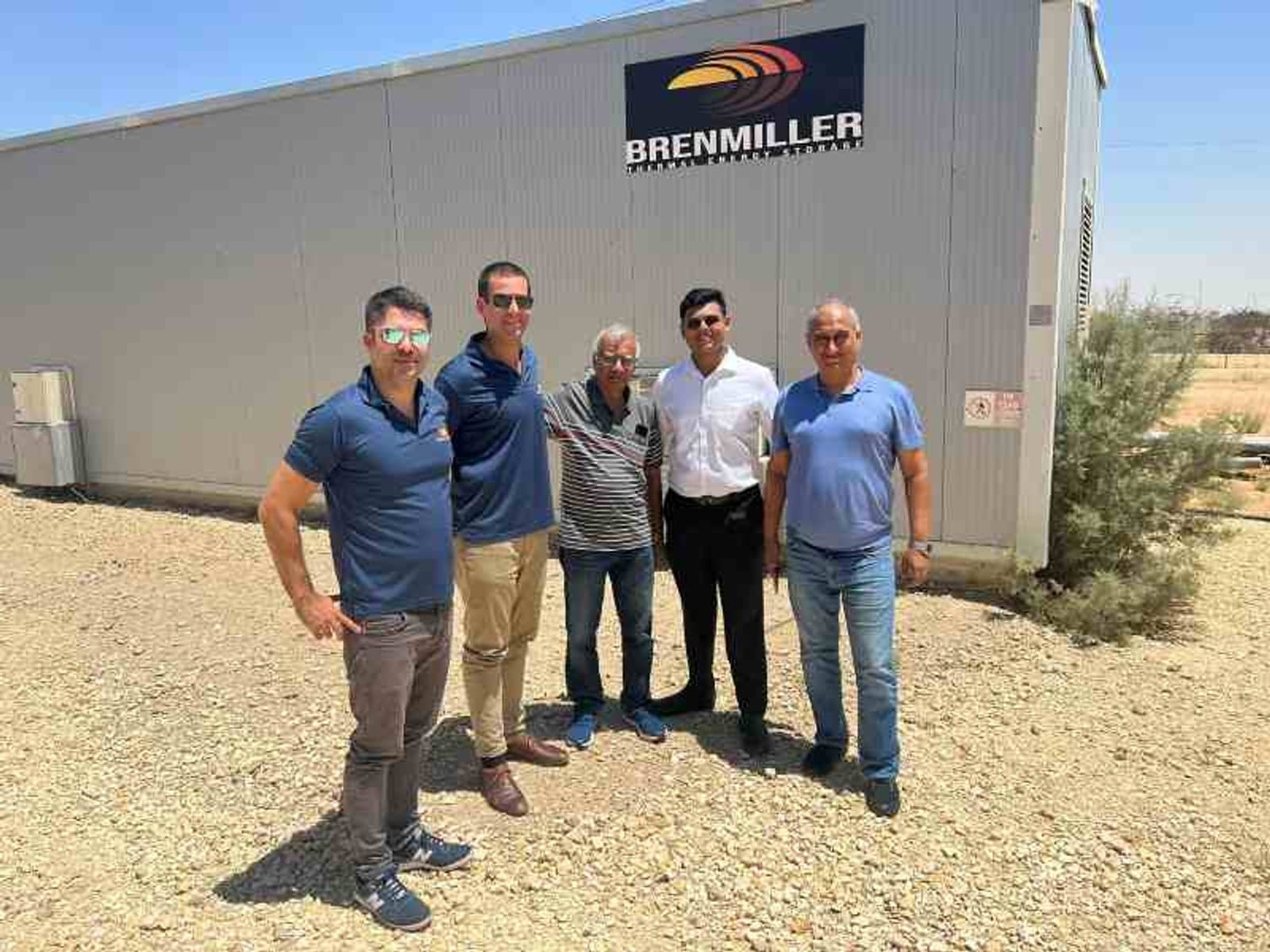
Israel-headquartered Brenmiller Energy has entered the Indian market with an agreement to supply Waaree Energies Ltd. with a Thermal Energy Storage (TES) solution.
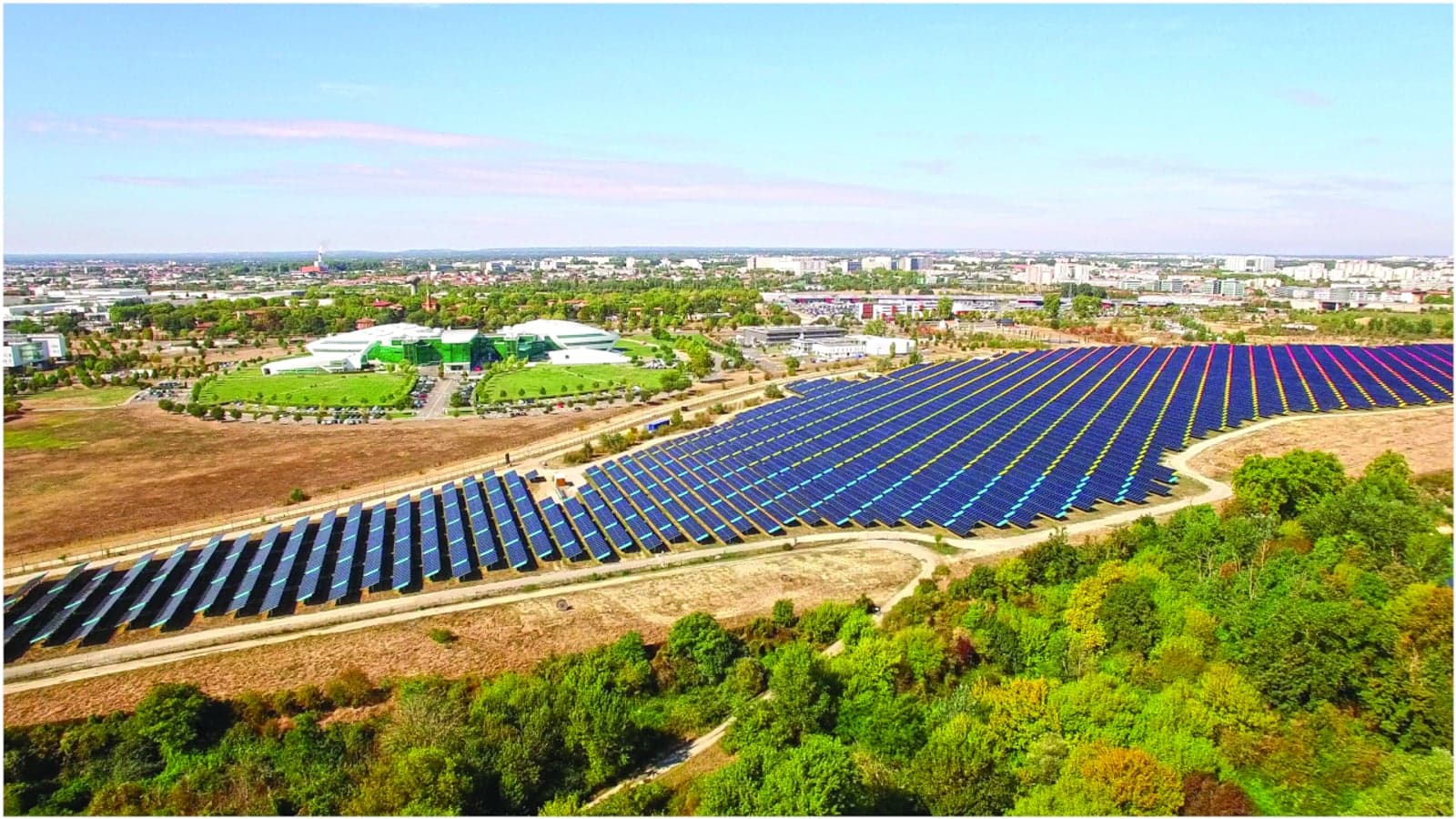
Waaree is one of India’s largest manufacturers of solar panels and will work with Brenmiller to explore, develop and deploy solar-powered TES systems in India.
Brenmiller will be utilising its bGen TES system, a scalable solution that enables 24/7 renewable management for industrial processes and power production.
According to Brenmiller, the bGen can store energy in the form of heat for minutes, hours, or days, and produce steam, hot water, or hot air on demand. The technology also provides protection from renewable intermittency and fluctuations in energy market prices.
Have you read?
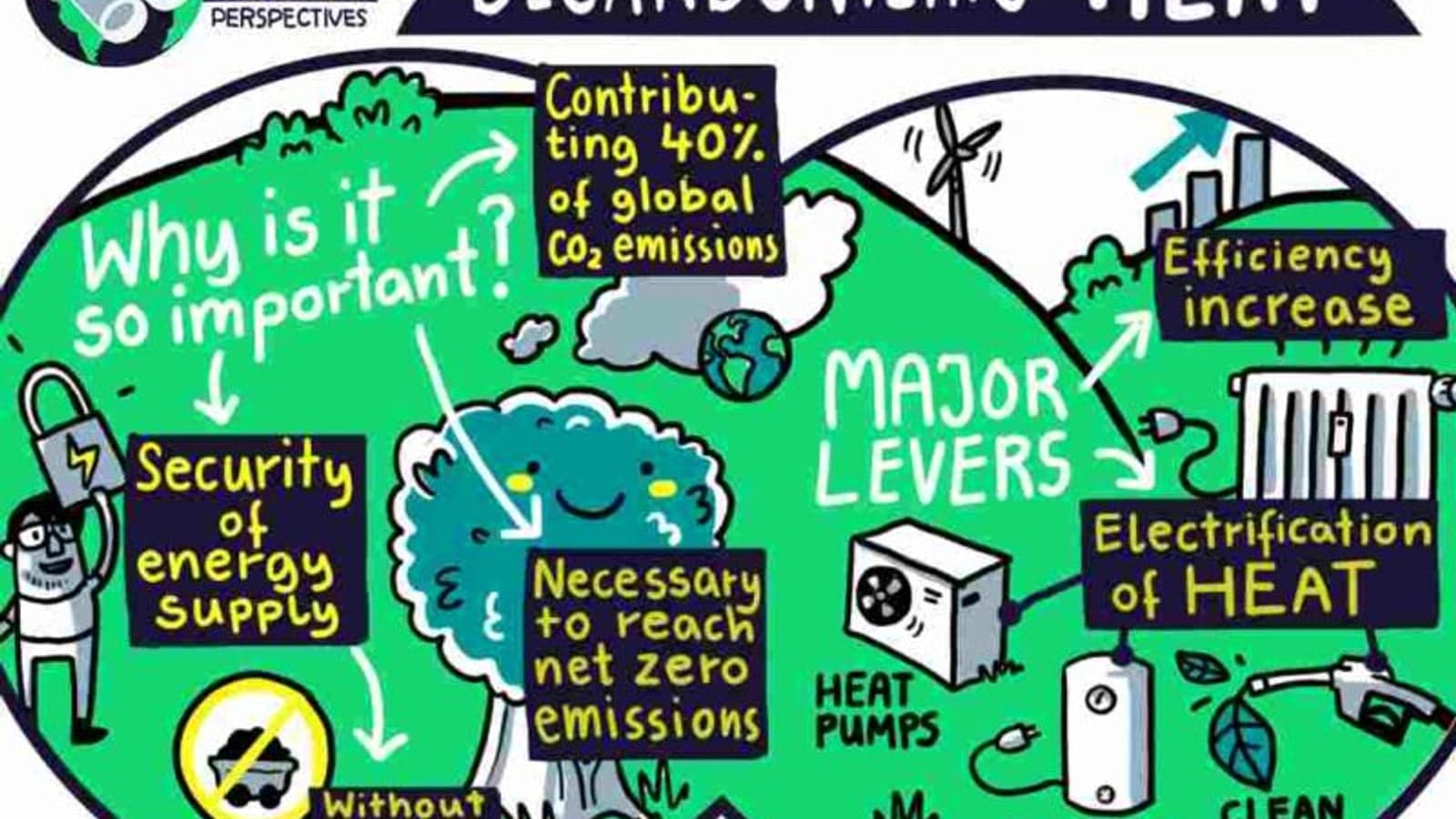
Why heat networks are no longer the ‘dark horse of decarbonisation’
How to achieve attractive business models for energy storage – EASE
The bGen unit is charged from different renewable sources: electrical, such as PV, wind, or grid at off-peak; thermal sources such as biomass, flue-gas, heat recovery, or any combination of these inputs.
This energy is captured using electrical heaters and gas piping which run through the storage modules and transfer its heat to the storage media at high temperature of up to 750°C. In parallel or hours later, steam is discharged to meet the customer’s demand.
"In India, steam and other high-temperature processes for industrials are primarily powered by coal, accounting for roughly 25 percent of India's carbon emissions," said Hitesh Doshi, chairman of Waaree.
"We are focused on helping large industrial corporations, including beverage, pharmaceutical, chemical, paper manufacturers, and more, to help them meet ambitious ESG goals. Partnering with Brenmiller to deploy its innovative thermal energy storage technology will enable us to significantly reduce dependence on fossil fuels."
According to McKinsey Sustainability, despite low per-capita emissions (1.8 tonnes CO2), India is the third-largest emitter globally, emitting a net 2.9 gigatons of carbon-dioxide equivalent (GtCO2e) every year as of 2019.
The bulk of these emissions is driven by six sectors: power, steel, automotive, aviation, cement and agriculture.