It’s time to accelerate the UK rooftop revolution
Guest/partner contributor
Posted on: 2 June 2026
Solar PV is tried and tested with forward-thinking organisations already gaining a competitive advantage, writes Jack Peck of Wattstor.

It’s no secret that business electricity bills are on the rise. Energy price volatility, combined with rising non-commodity costs are becoming a major concern for organisations across the UK.
The ongoing conflict in the Middle East has only accelerated this, representing a tipping point in an energy crisis that has been building up for a decade. On top of this, the UK continues to face some of the highest industrial electricity costs in Europe.
While UK households are somewhat protected by the energy price cap, businesses remain exposed to a market where price surges are having a serious impact on competitiveness.
This wholesale market volatility, ongoing macroeconomic uncertainty, plus the very real issue of grid constraints, mean that the road to Clean Power 2030 may not be a smooth one. And, for businesses that are facing cost pressures right now, the long implementation time means they are looking for shorter term solutions to give them a degree of predictability in an unpredictable energy environment.
The untapped potential of on-site generation
That is why we believe that now is the time to accelerate a rooftop revolution. Recent events mean that installing on-site generation, such as solar PV, has moved from a 'nice-to-have', to becoming a key strategy for securing a stable and predictable energy supply.
Recent figures from DESNZ have revealed that this is already underway. In March 2026, 27,000 new solar installations were completed, bringing the UK to a total of 22.1GW of installed solar capacity across over 2 million sites – the highest level in over a decade.
Have you read?
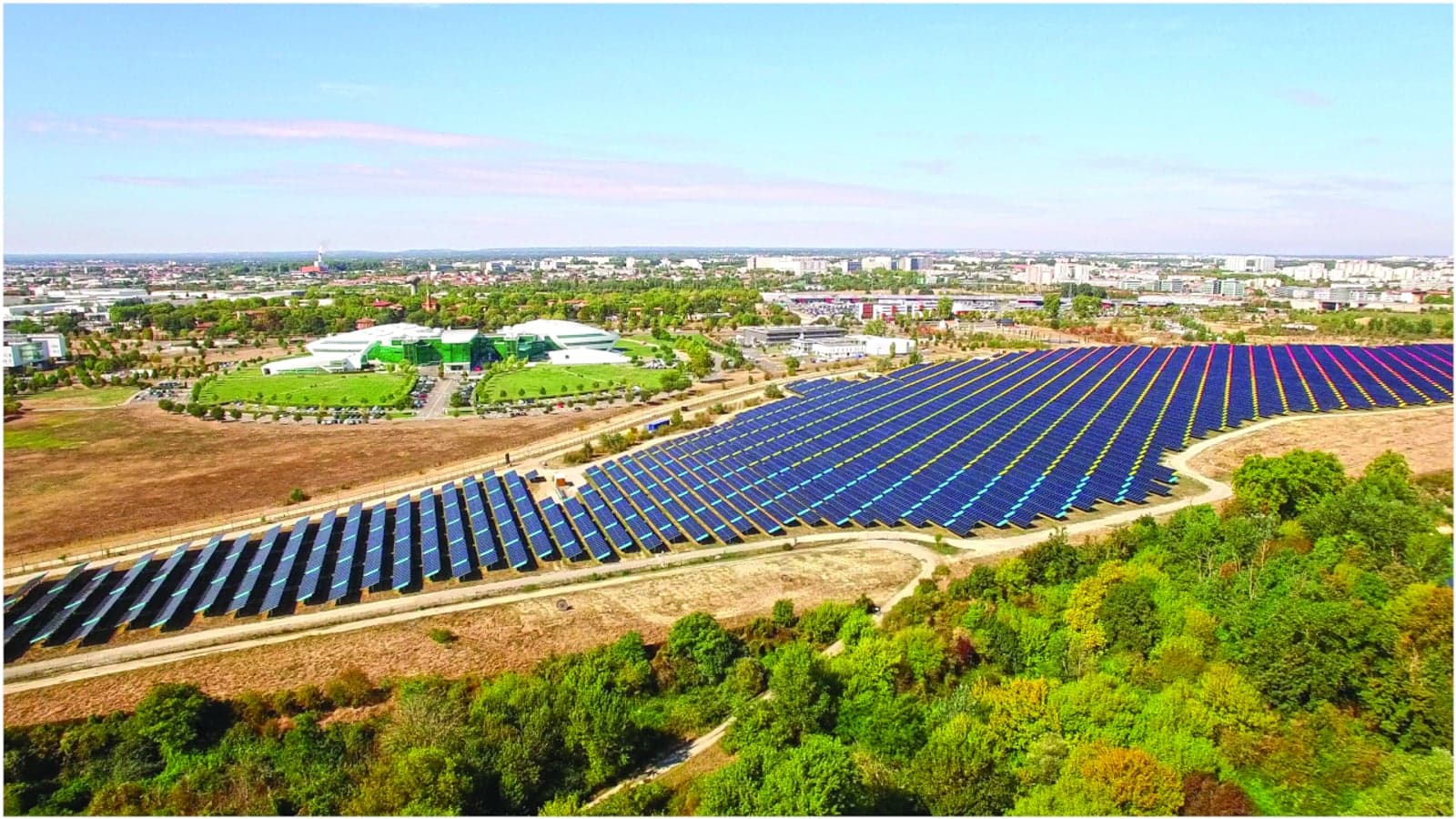
Oncopole: From tragedy to urban solar renewal
Fortescue speeds up green grid project to curb volatile fossil fuel costs
The key driver is households, with two-thirds of these new installations on domestic properties, meaning homeowners across the country are reaping the benefits of a clean and stable energy supply, thanks to unlocking the potential of their roof space.
But what about businesses? Many landlords and owner-occupiers have not yet considered their roofs as potential energy assets, despite the fact that commercial and industrial rooftops are among some of the UK’s largest untapped clean energy resources. Latest estimates suggest that less than 5% of commercial rooftops in the UK have solar installed.
Thinking outside the grid
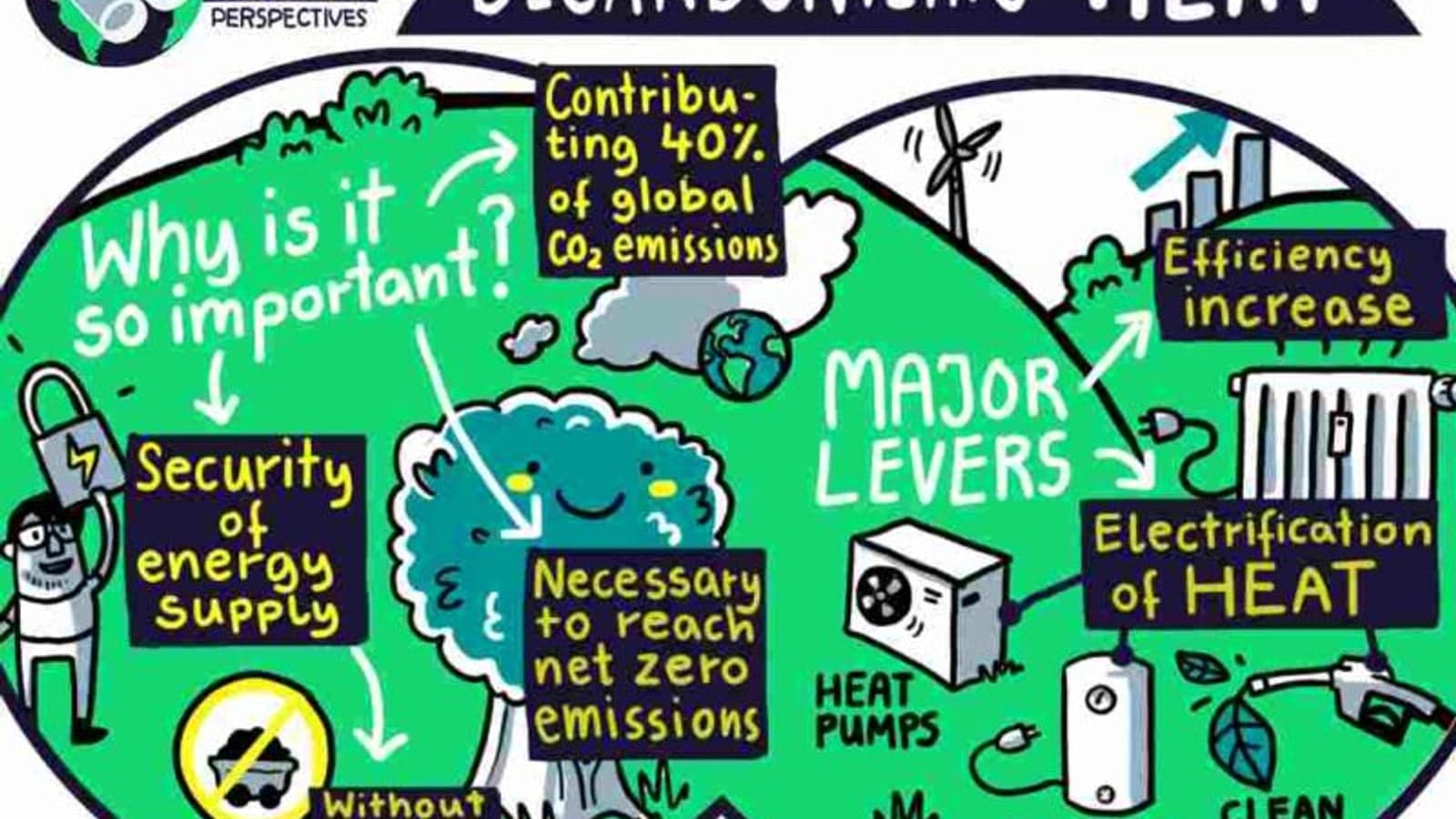
The electrification of heat and transport are some of the biggest challenges we face in terms of the low-carbon transition. Meeting this challenge would allow organisations to up their sustainability credentials while simultaneously slashing their energy bills.
To support this, a move away from centralised generation and towards a more flexible, localised energy model makes perfect sense. By bringing generation and storage closer to the point of consumption, businesses can not only benefit from lower energy prices, they can also reduce many of the variable non-commodity charges.
In addition, installing on-site battery storage can help avoid unnecessary grid upgrade costs for your business, whilst freeing up additional grid capacity for new connections and vital network flexibility for a constrained grid.
Moving beyond immediate demand
Historically, on-site solar projects were sized for self-consumption. Designers typically recommended the smallest viable installations to ensure a meaningful impact without producing excess energy that couldn't be used instantly.
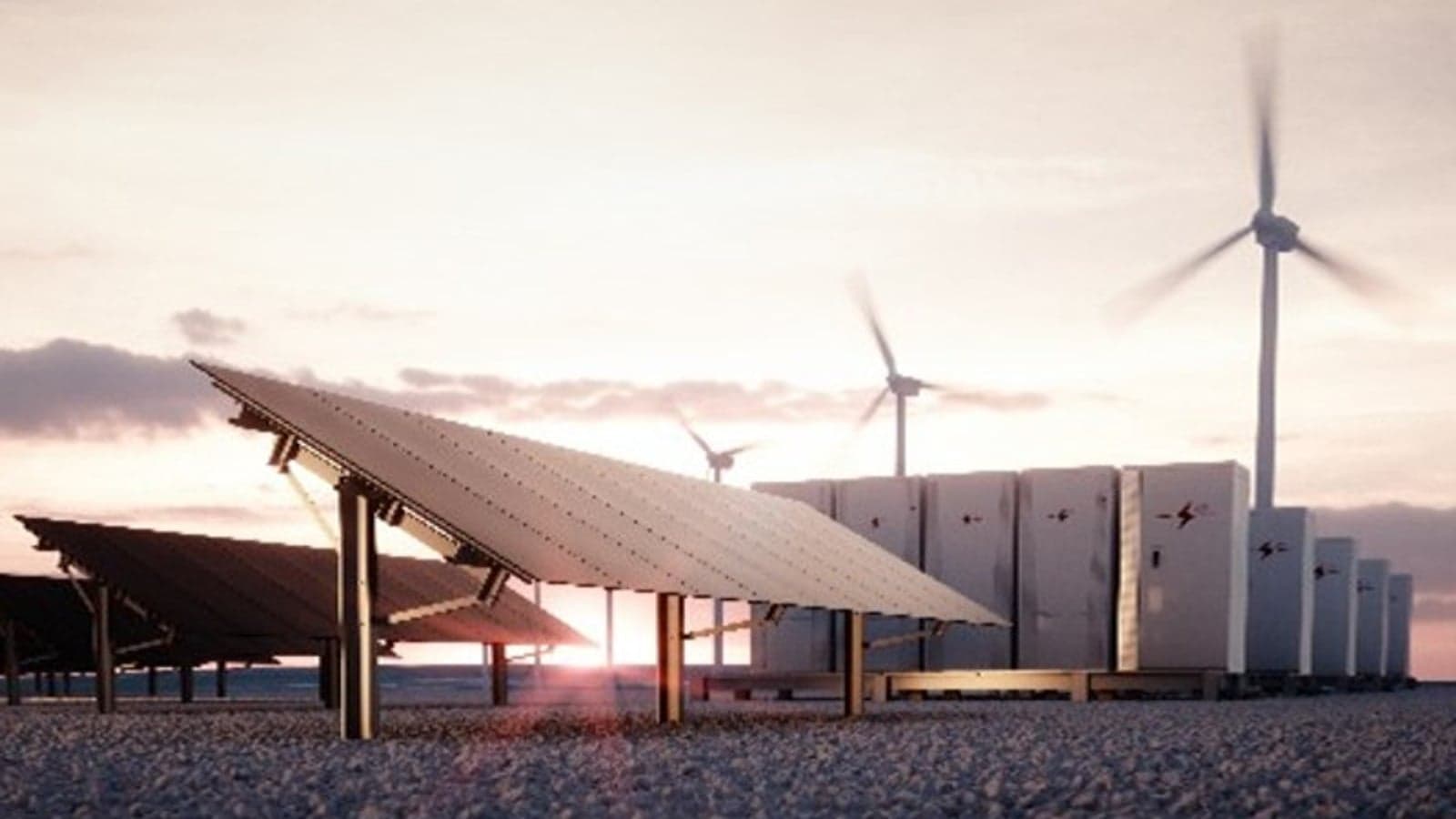
The development of effective battery energy storage systems (BESS) has changed this, allowing businesses to scale their generation capacity for day and night or 24/7 consumption, future-proof their on-site infrastructure, and increase energy resilience.
In just a couple of years, battery prices have dropped while their energy density has doubled. This, combined with the reduced costs of solar and the improved generation capacity of solar cells, means that solar and BESS are now more attractive than ever and represent the next logical step for businesses eager to cut their energy bills.
Also of interest: Achieving Europe’s independence through local homegrown energy
AI-powered energy management systems (EMS) have further strengthened the case for commercial rooftop solar. While not all organisations can justify hiring a full-time energy manager, a smart EMS can automatically manage an organisation’s entire energy ecosystem without a trading team, ensuring it runs as efficiently and cost-effectively as possible.
This helps businesses stay on top of energy price volatility by monitoring energy markets in real time, predicting energy trends, and making the best decisions based on reliable data. For example, the EMS could decide to store energy from the grid into an organisation’s BESS when prices are low or even negative, or to export excess solar energy when prices are highest in order to maximise returns.
The rooftop revolution has only just begun
Recent events have shown that energy price volatility is here to stay, and that a model that relies on centralised energy generation will always be susceptible to unpredictable geopolitics.
At the same time, transitioning towards low-carbon generation introduces a new challenge: managing the intermittent nature of weather-dependent renewables. In both cases, businesses must overcome the inertia of simply hoping that prices will eventually stabilise.
Current regulations mean the UK is potentially over-investing in new network capability whilst existing capacity is underutilised. So, to remain competitive in a landscape dominated by unpredictability and rising costs, organisations need to consider options that put them back in control of their energy bills.
Fully financed options for on-site renewables and storage mean that organisations can be masters of their own energy destiny, benefiting from immediate savings with zero upfront costs, allowing them to take the first steps to energy independence.
The rooftop revolution is here, and will only accelerate. The technology is tried and tested, finance options exist, and forward-thinking organisations are already gaining a competitive advantage by turning energy from a major concern to a strategic asset.
ABOUT THE AUTHOR: Jack Peck is Head of Sales at Wattstor. With nearly a decade of experience in renewables and battery storage, Jack is passionate about helping businesses navigate today’s complex energy landscape.
Related tags
Latest content
+9
From grid to green: How project AGISTIN is transforming industrial energy use
The AGISTIN (Advanced Grid Interfaces for innovative STorage Integration) project is supporting industrial energy users to rapidly deploy renewable energy coupled with on-site energy storage.
- Guest/partner contributor
- 20/03/2025