From grid to green: How project AGISTIN is transforming industrial energy use
Guest/partner contributor
Posted on: 20 March 2025
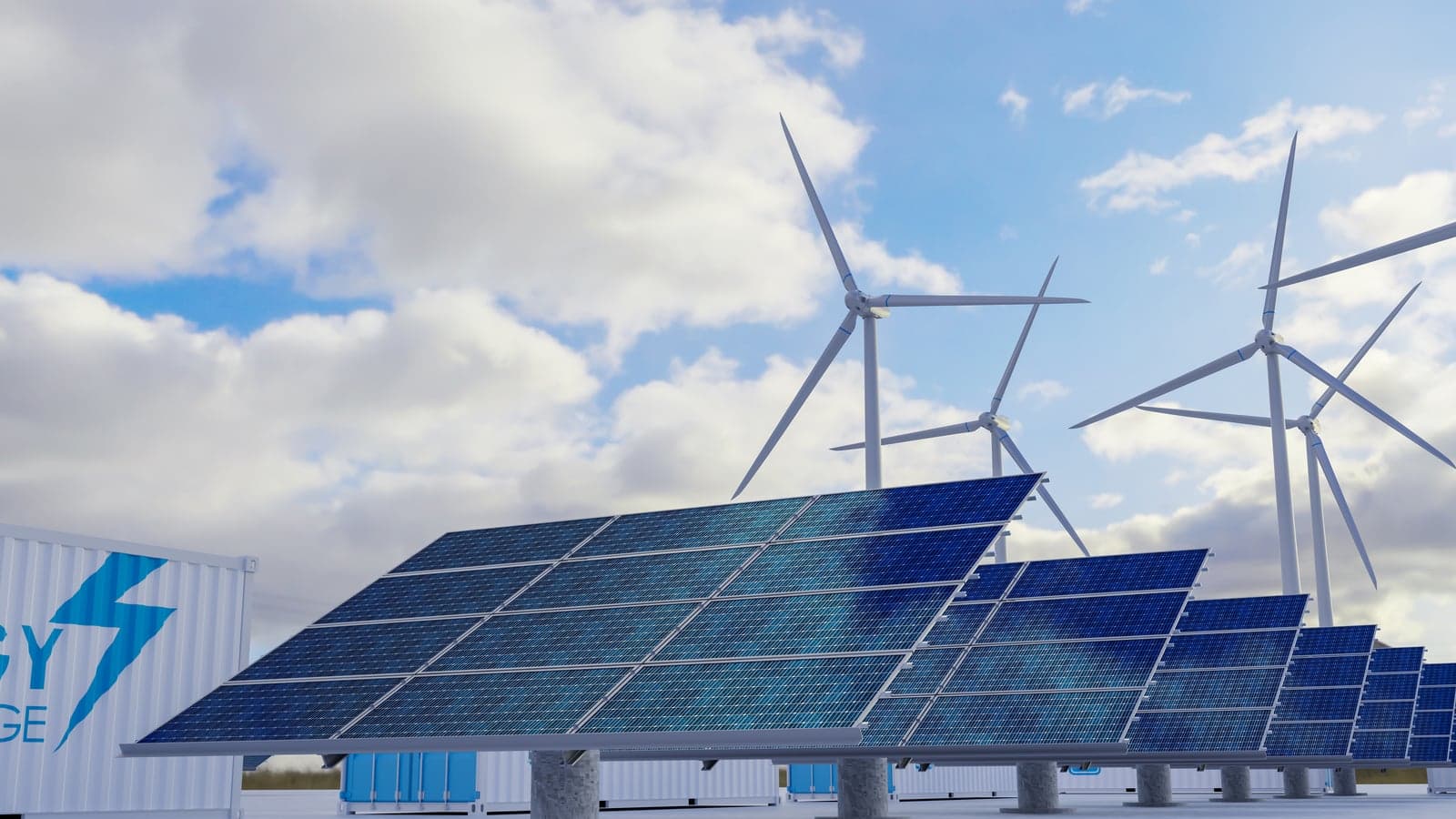
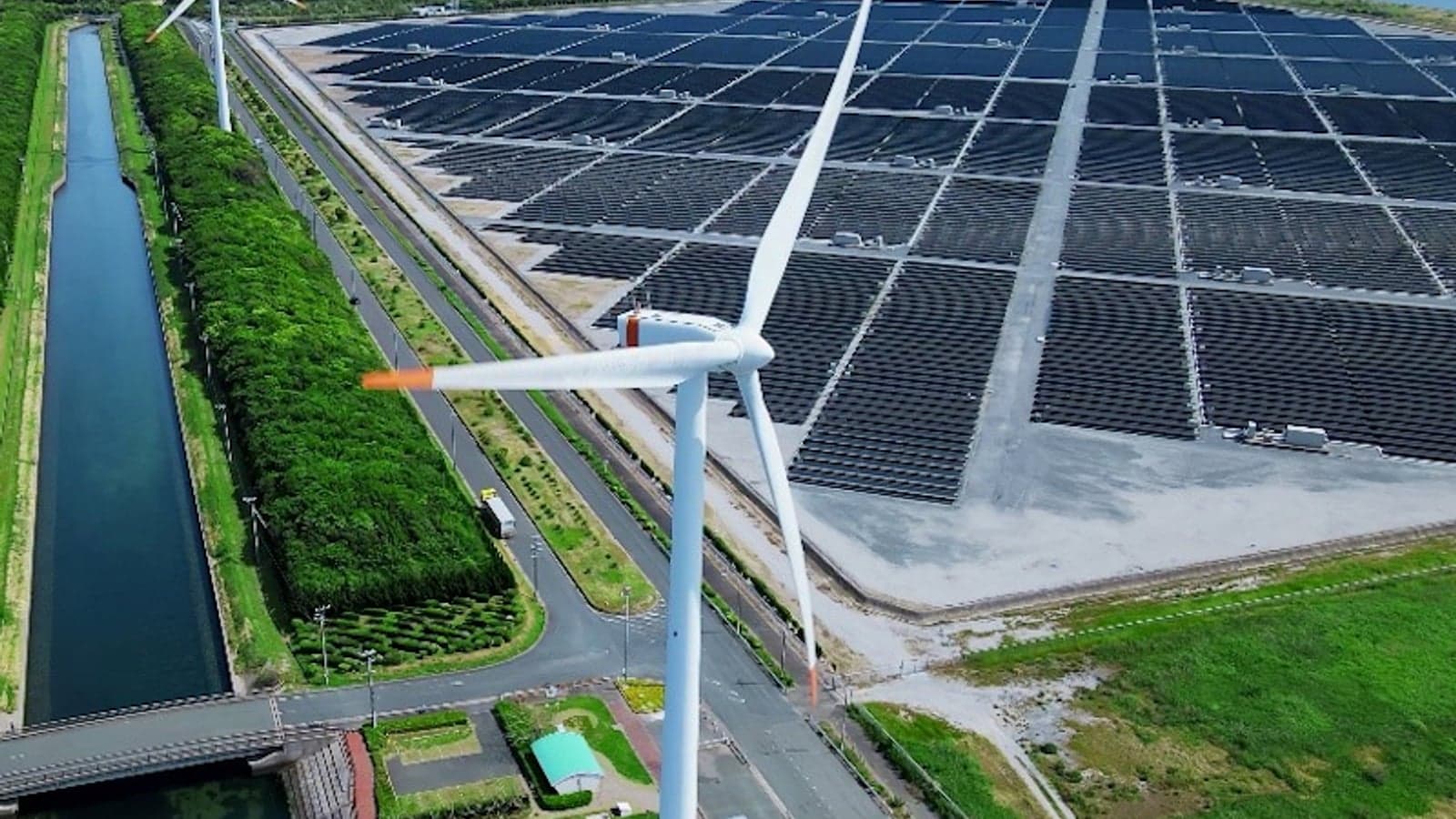
The AGISTIN (Advanced Grid Interfaces for innovative STorage Integration) project is supporting industrial energy users to rapidly deploy renewable energy coupled with on-site energy storage.
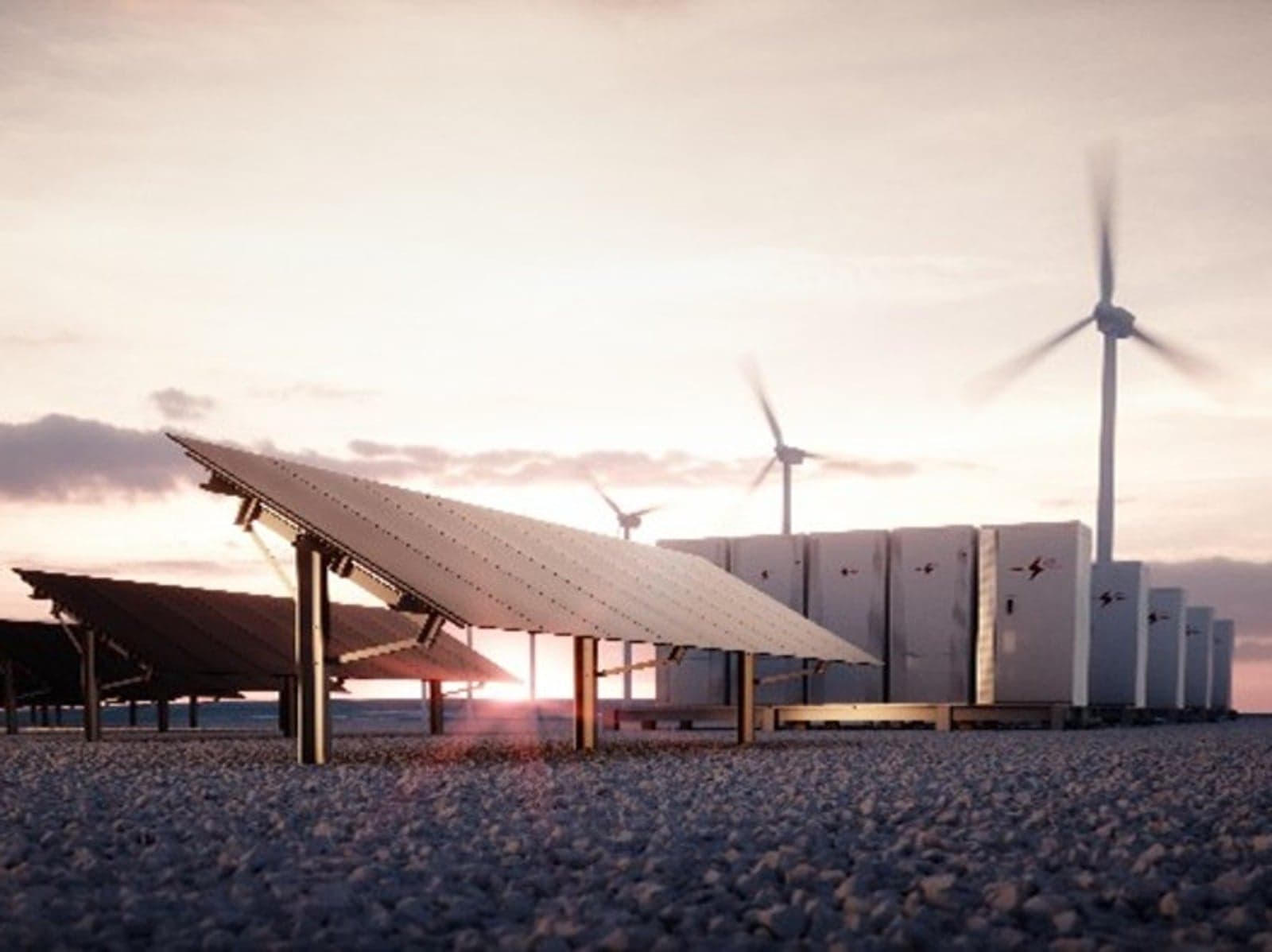
The AGISTIN (Advanced Grid Interfaces for innovative STorage Integration) project is supporting industrial energy users to rapidly deploy renewable energy coupled with on-site energy storage.
The EU aims to cut greenhouse gas emissions by 55% by 2030 and become climate-neutral by 2050.
While the role of prosumers – citizens who both produce and consume energy – in the energy transition is growing in importance, the decarbonisation of industrial users is even more critical to achieve this target.
Due to their large scale, transitioning industrial users to renewable energy sources can significantly impact the EU ambition. Despite the progress, there is still significant work to be done to fully achieve decarbonisation in the industrial sector.
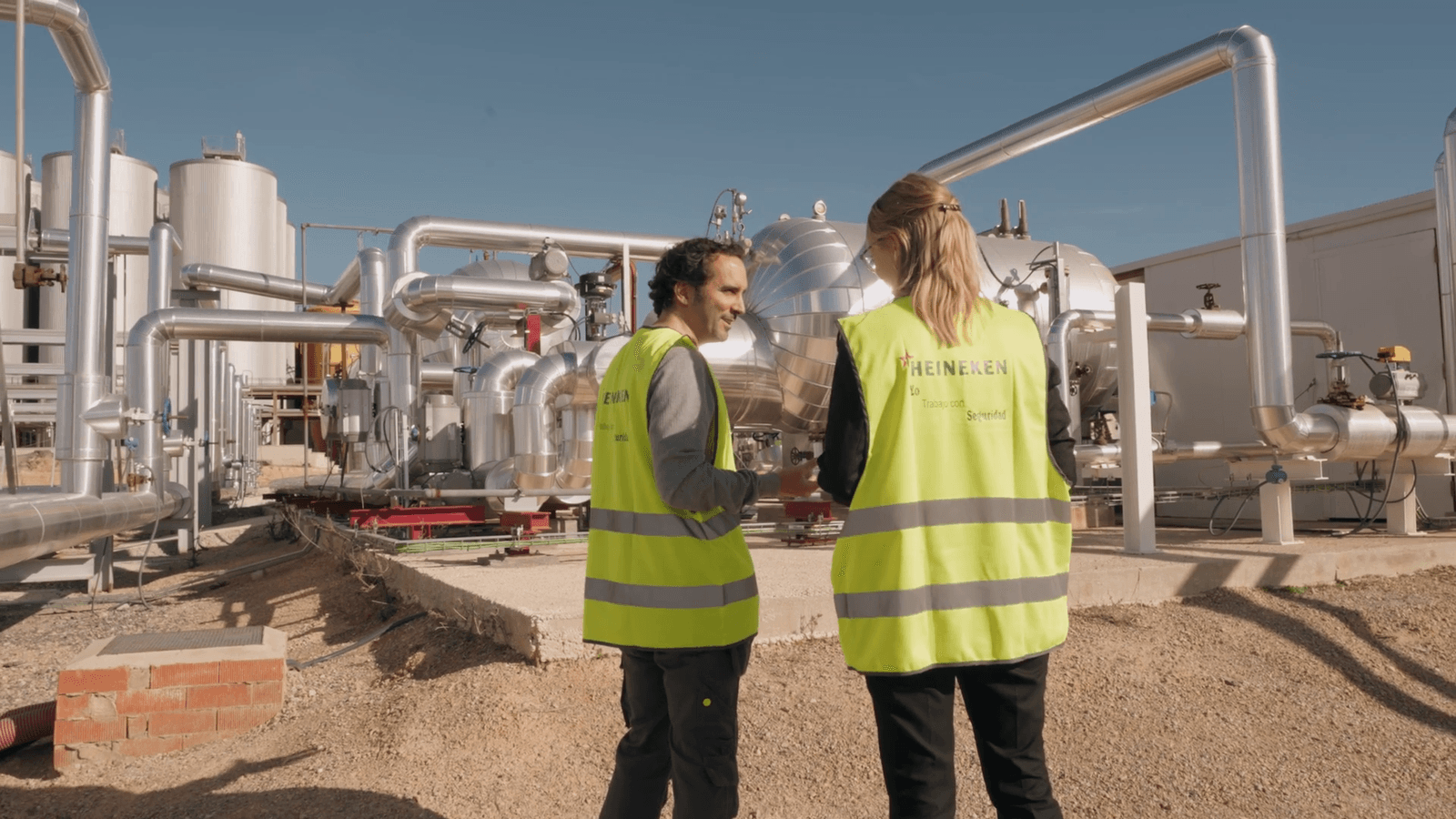
Industrial electricity grid users go beyond manufacturers, and include others like electrolysis operations, fast electric vehicle (EV) charging or data centres, which can integrate renewable energy in their operations.
These users may have direct current (DC) technologies and need to connect to the alternating current (AC) grid, which is a complex process and requires systems to manage electrical issues or to provide backup power.
At the same time, electrifying industrial grid users comes with several challenges, including the need for: low cost, efficient, reliable, and safe short duration energy storage technology; improved methods to integrate energy storage with grid users and grids to enhance efficiency; long-duration energy storage technology; and enhanced demand flexibility and storage integration.
One common solution to these challenges is the addition of small quantities of short duration energy storage at the intersection of the grid and the industrial process. This can economically release flexibility from industrial sectors, benefiting both the grid and the users.
DC coupling
The AGISTIN project is working towards enabling major classes of industrial grid users to integrate significantly more renewables on-site than traditional approaches, through DC coupling.
This method minimises grid access needs by deploying energy storage integrated through an advanced grid interface, reducing both capital and operational expenses while increasing renewable capacity.
AGISTIN plans to create new architectures that integrate energy storage with on-site renewable energy and new DC technologies. This method builds on the current practice of combining solar panels with batteries, but also includes end users and system managers.
Towards this end, the project has already started developing models and control algorithms to coordinate between all three asset classes – renewables, storage and industrial processes – that will be available open sourced throughout 2025 for use by system integrators and power electronics manufacturers.
AGISTIN's new way of combining energy storage with grid users uses advanced electronics and controls. By bypassing the need for extra hardware, this approach lowers costs, boosts efficiency, increases flexibility and improves self-use of generated power compared to traditional AC connections.
While AGISTIN focuses on applications for industrial electricity grid users, society at large will benefit from the results. As stated above, consumers are becoming active participants in the market, either as prosumers or by engaging in demand side response.
AGISTIN supports the interaction between TSOs and DOSs, helping TSOs with system security and DSOs with managing distribution networks, ultimately facilitating a more sustainable and efficient energy system.
AGISTIN is supported by the European Union’s Horizon Europe programme with €7.9 million ($8.6 million).
The consortium consists of 14 members from nine countries, including storage and power electronics providers, industrial grid users, a grid operator, an engineering consultancy, research institutes, universities and an energy storage association.
It started in January 2023 and runs to December 2026.
For more information and updates on the AGISTIN progress, visit the website at www.agistin.eu or subscribe to the project newsletter here.
Related tags
Latest content
+4
Project AGISTIN: Accelerating industrial grid decarbonisation with advanced energy storage integration
The AGISTIN project is developing new forms of energy storage that meet grid needs for short-duration flexibility and stability, reduce the impact of new, large demand on the grid, and reduce costs for large grid users.
- Guest/partner contributor
- 15/04/2024