Jørgensen cites Denmark as poster child for energy transition lessons
Kelvin Ross
Posted on: 6 November 2025
European energy commissioner says his home country is microcosm of energy’s opportunities and challenges.
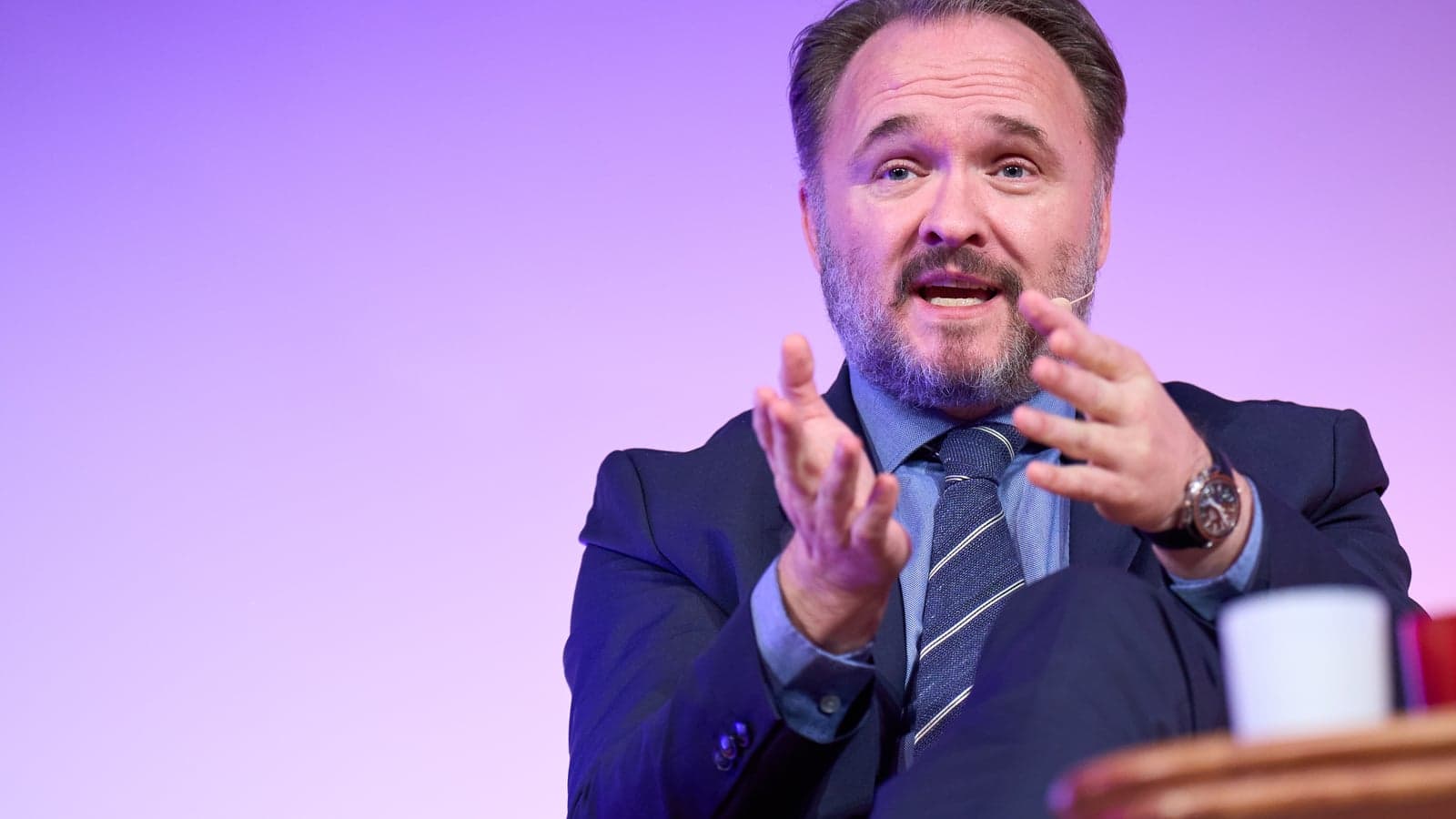
A year to the day that he was appointed European Commissioner for Energy and Housing, Dan Jørgensen spotlighted his native Denmark as a microcosm of the challenges and opportunities of the energy transition at a Brussels conference.
Speaking at the annual summit of heating and cooling trade association Euroheat and Power, Jørgensen said that “we live in turbulent times and energy and energy policy is at the core of that”.
Denmark has initiated flagship projects for district heating and geothermal energy, but Jørgensen said that to get these initiatives over the line, “we had to change the legislation. We had to make new political deals, which wasn't easy: I know because I was the one who did it in my previous job.”
He said he was proud of these achievements, yet he stressed that even for a country seen one of the world’s most energy-progressive, “we only just did it – and it was difficult”.
Even on exploiting waste heat from industry, which he conceded “we also do quite well in Denmark… we are not exploiting all of the potential, because it's complicated from a regulatory perspective and quite often, you will have old taxation structures that means that you need to persuade your minister of finance, which is just hard”.
He said all this not to pour cold water on energy transition ambitions: more to offer a reality check on how to get change across the line.
Because, he said, that when you look at waste heat utilisation “from a societal perspective, it's a no-brainer. We have energy that's being wasted.”
He used his home city of Copenhagen as a success story. “In Copenhagen, I'm on district heating from a very-close-by waste incinerator. I ask colleagues when I bring them to Denmark: how much did your energy price go up during the energy crisis? Some say 300%; some say 800%.
“My energy bill in February and March 2022 went down, because it had nothing to do with the rest of the energy market. It's just burning waste and utilising it.”
More from Dan Jørgensen:
Electrification will cause system collapse without flexibility warns energy commissioner Jørgensen
Fatih Birol and Dan Jørgensen call for energy efficiency focus in ‘low-trust’ world
And yet he was at pains to point out that even if you tick all the economic and societal boxes, sometimes it still is not enough to sway the public.
“Take Denmark as an example: a lot of what we decided is to do in the wake of the most extreme price spikes are not happening now. People were very eager to get district heating, but this is voluntary, so you need people to make the investment decision.
“And now local communities are pulling out because now the price of gas is not so high anymore, so now they think it's okay to stay on natural gas.
“And this is in a country where they will have a good chance of getting quite a big subsidy from the state. So, you have a business case that's very, very easy to take to your bank because it'll pay back very soon.
“It's a guarantee – an insurance – that you will not experience those high prices again in the future. And you get a huge subsidy from the state… and still they say no!”
All of which highlights, he suggested, that strategies are not worth the paper they’re written on if there is not equal weight given to communicating and implementing those strategies.
“I found that it's not that difficult writing strategies... if only you were successful just doing strategies: then Europe would definitely be leading on everything,” he joked... somewhat wryly.
Latest content
Partner content
+5
The future of district heating: A relay race to clean energy
Decarbonising district heating is not a leap into the unknown but a measured relay race, with today’s gas-fired plants evolving into energy hubs that underpin a future powered by renewables and zero carbon fuels.
- Guest/partner contributor
- 26/11/2025