KfW, Gasunie and RWE’s new LNG terminal to strengthen German resilience
Yusuf Latief
Posted on: 8 March 2022
KfW, Gasunie and RWE’s new LNG terminal will have an eight billion meters cubed annual regasification capacity
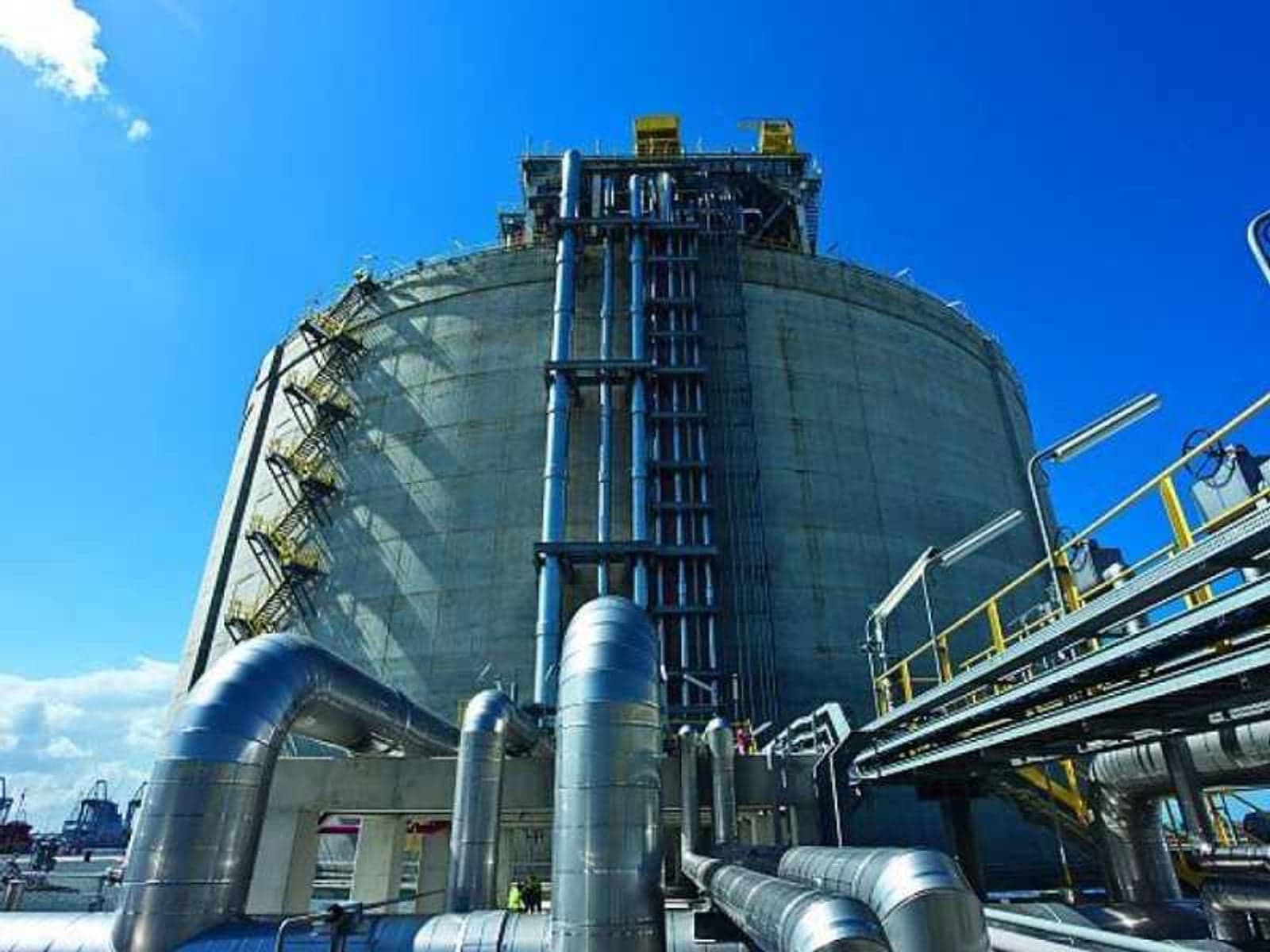
The new joint project, a first of its kind, will build a terminal in Brunsbüttel to import liquified natural gas (LNG) to help strengthen Germany's energy independence.
The terminal will have an eight billion m3 annual regasification capacity and will be suitable for importing green hydrogen. It aims to open avenues to directly import gas to the German market with regions otherwise inaccessible by gas pipelines. In this way, it will hopefully augment Germany’s energy security and empower north-western Europe to rely less on gas pipeline imports.
A memorandum of understanding (MoU) was signed three ways: by the KfW, a promotional bank behalf of the German Federal Government; by Gasunie, an energy network operator owned by the Dutch state; and by RWE. KfW will acquire 50% of the shares for the Federal Government while Gasunie will coordinate its operations.
The project is one of many that comes during a time when countries are attempting to lessen their dependence on Russian resources.
Have you read:
TES expedites green gas terminal to secure alternative and sustainable energy for Germany
IEA – Cut EU reliance on Russian gas with renewables, nuclear and energy efficiency
Majority of Germans want to reduce reliance on Russian gas – survey
“We need to reduce our dependence on imports from Russia as quickly as possible; Russia’s war of aggression against Ukraine is now making this imperative,” states Minister Robert Habeck in a statement.
“An LNG terminal in Brunsbüttel will increase the possibilities to import gas to Germany. (…) Our plans are factoring in the switch to green hydrogen and its derivatives from the very outset of the project. This also goes for the construction of hydrogen infrastructure.”
Sigrid Kaag, Finance Minister of the Netherlands, added: “Gasunie, the Dutch state-owned enterprise, is making an important contribution towards Europe’s gas security by building an LNG terminal in Brunsbüttel. This is a good step towards reducing dependence on imports of gas from Russia.”
As the project is developed, the intention will be to refit the terminal so that it can process green hydrogen derivatives like ammonia.
Next to Brunsbüttel, Wilhelmshaven has been earmarked as another location for an LNG terminal.