LDES is enabling grid decarbonisation
Guest/partner contributor
Posted on: 30 July 2024
Long-duration energy storage (LDES): How a rock, air, and water ‘battery’ enables grid decarbonisation at a gigantic scale.
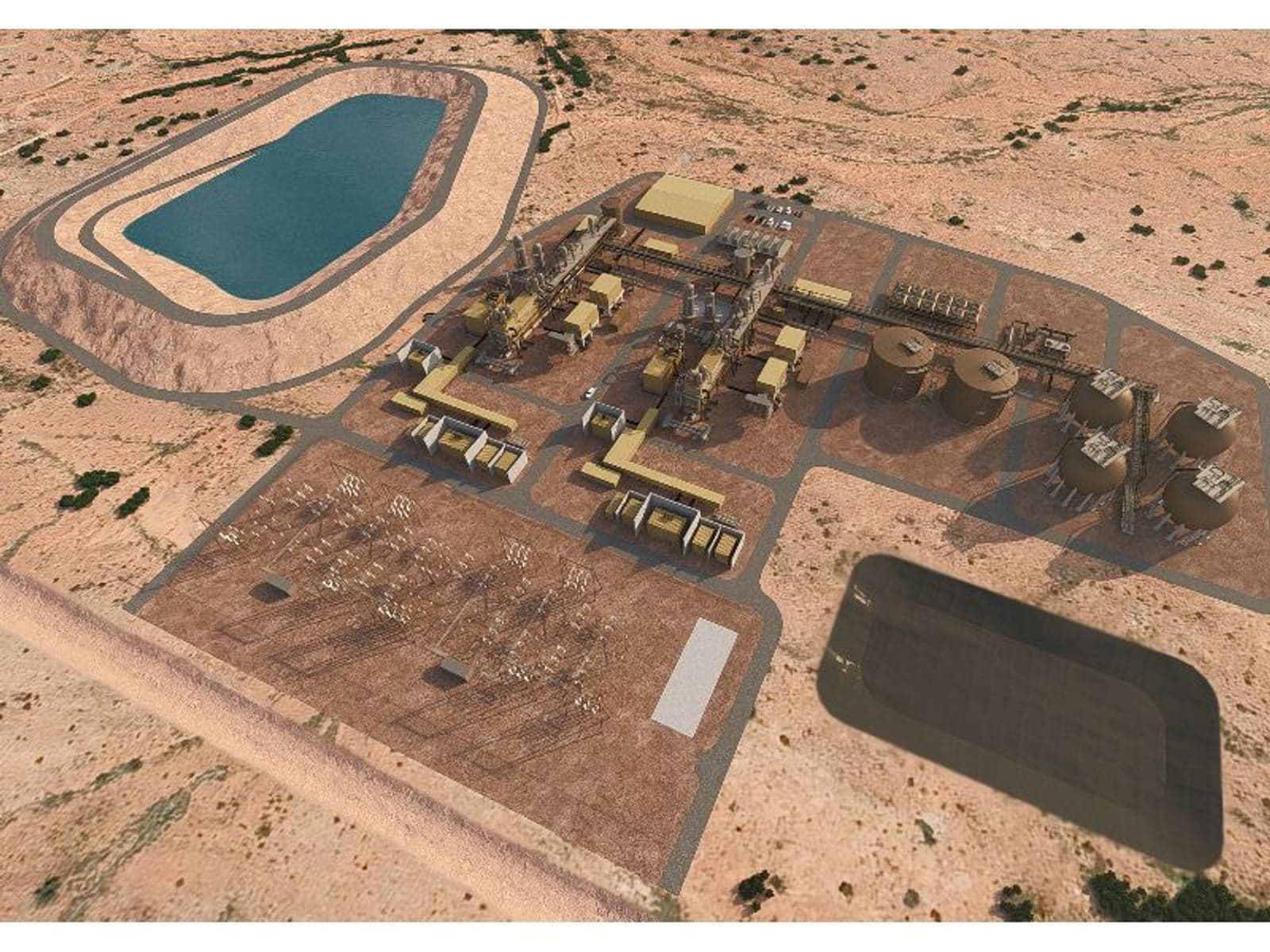
Long-duration energy storage, or LDES, is crucial for achieving net-zero targets while mitigating the impacts of climate change.
As more renewables are added to the grid, and traditional energy generation resources such as coal and natural gas are replaced, we need reliable backup solutions for when the sun isn't shining, or the wind isn't blowing.
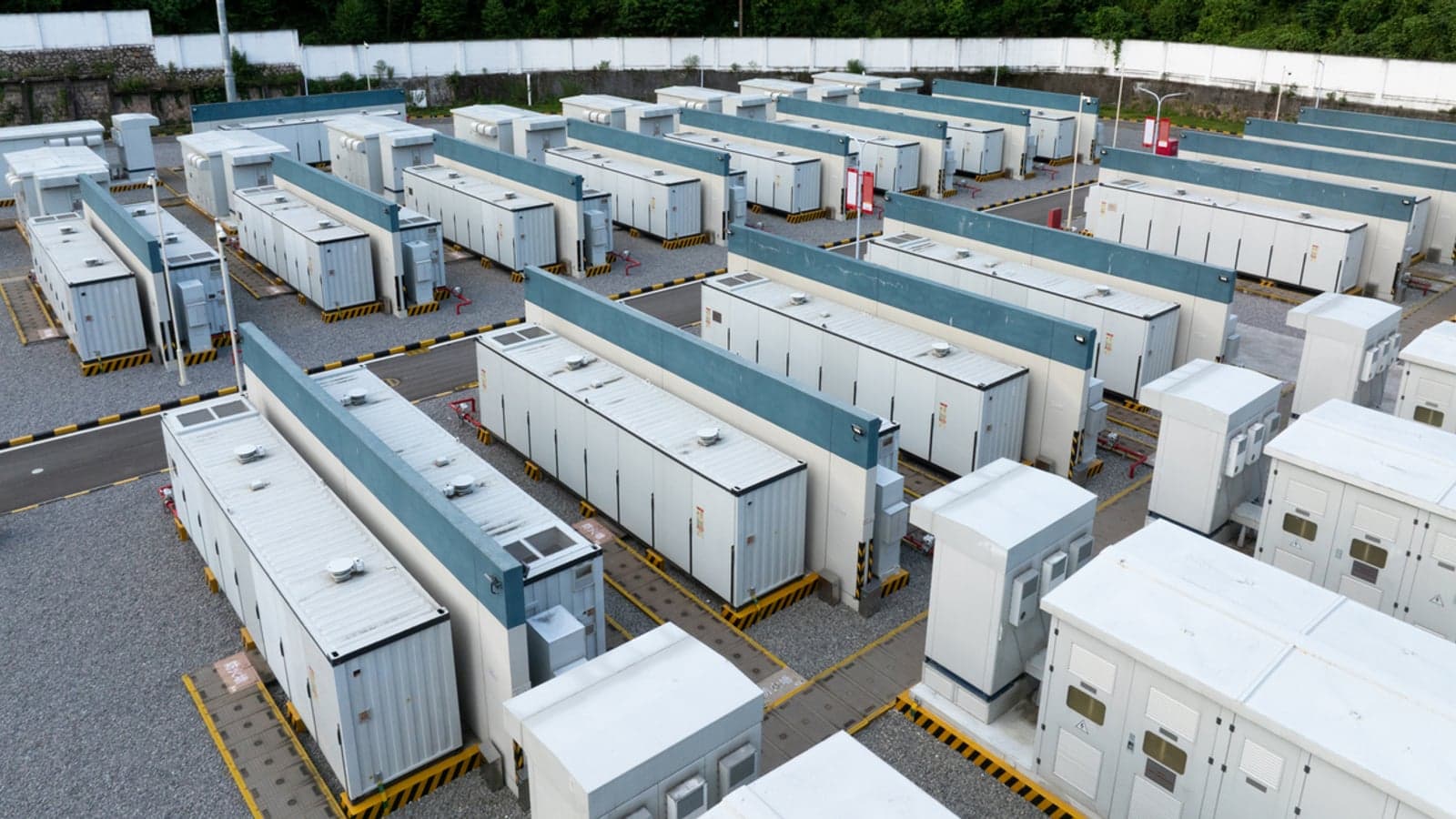
While batteries will play a role, they can only store power economically for 4-6 hours. Longer duration technologies like Hydrostor's compressed air storage, bridge this gap, storing energy for 8 to 24+ hours, and shifting it to ensure that power is available during periods of low supply but high demand.
LDES systems: Providing reliable replacement capacity
As electricity grids transition from fossil fuels to clean power, many operators have specifically identified 8 hours as a minimum duration threshold to provide reliable replacement capacity. As we anticipate higher penetration of renewables, longer storage durations up to 24hrs+ will become essential.
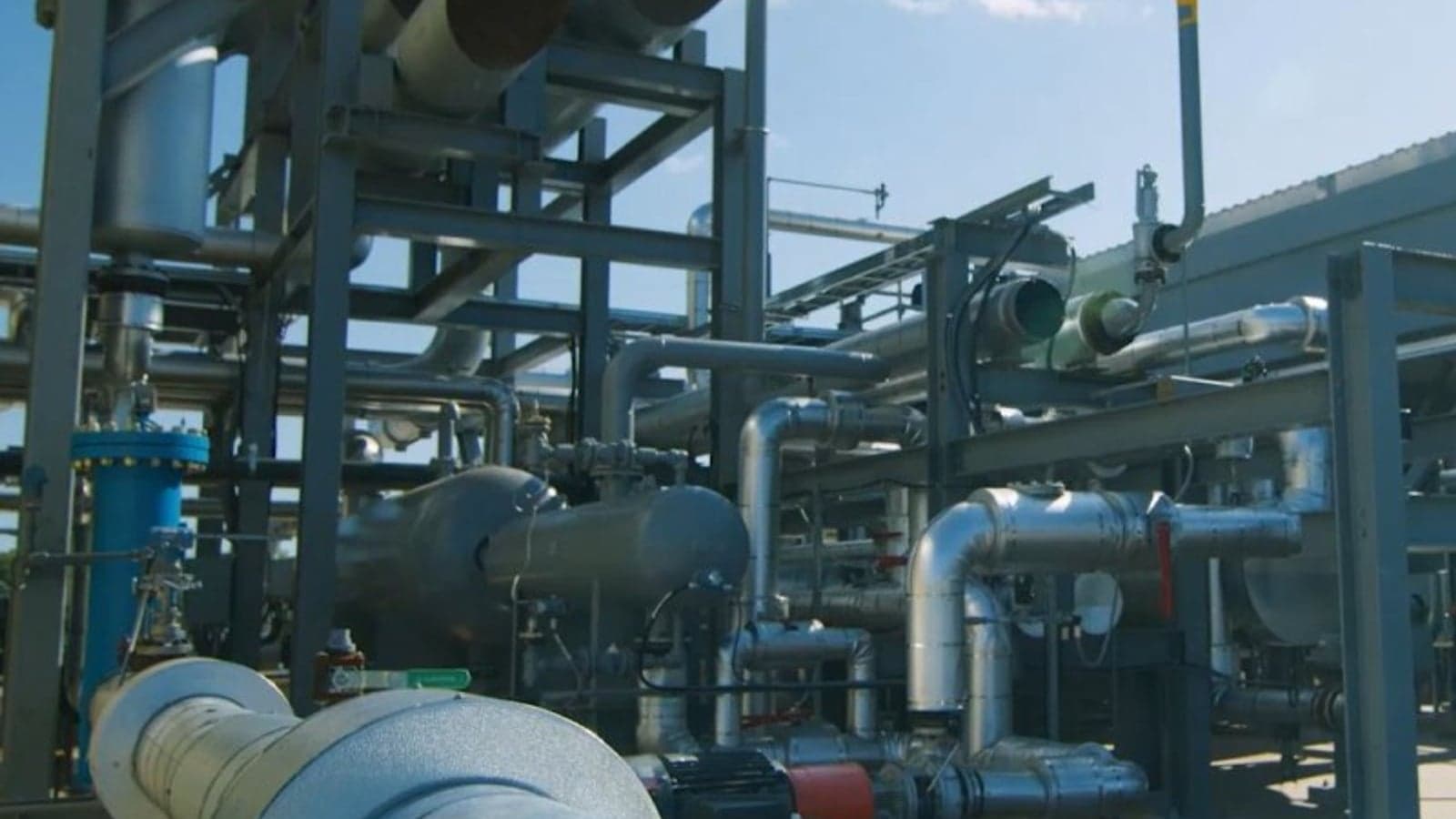
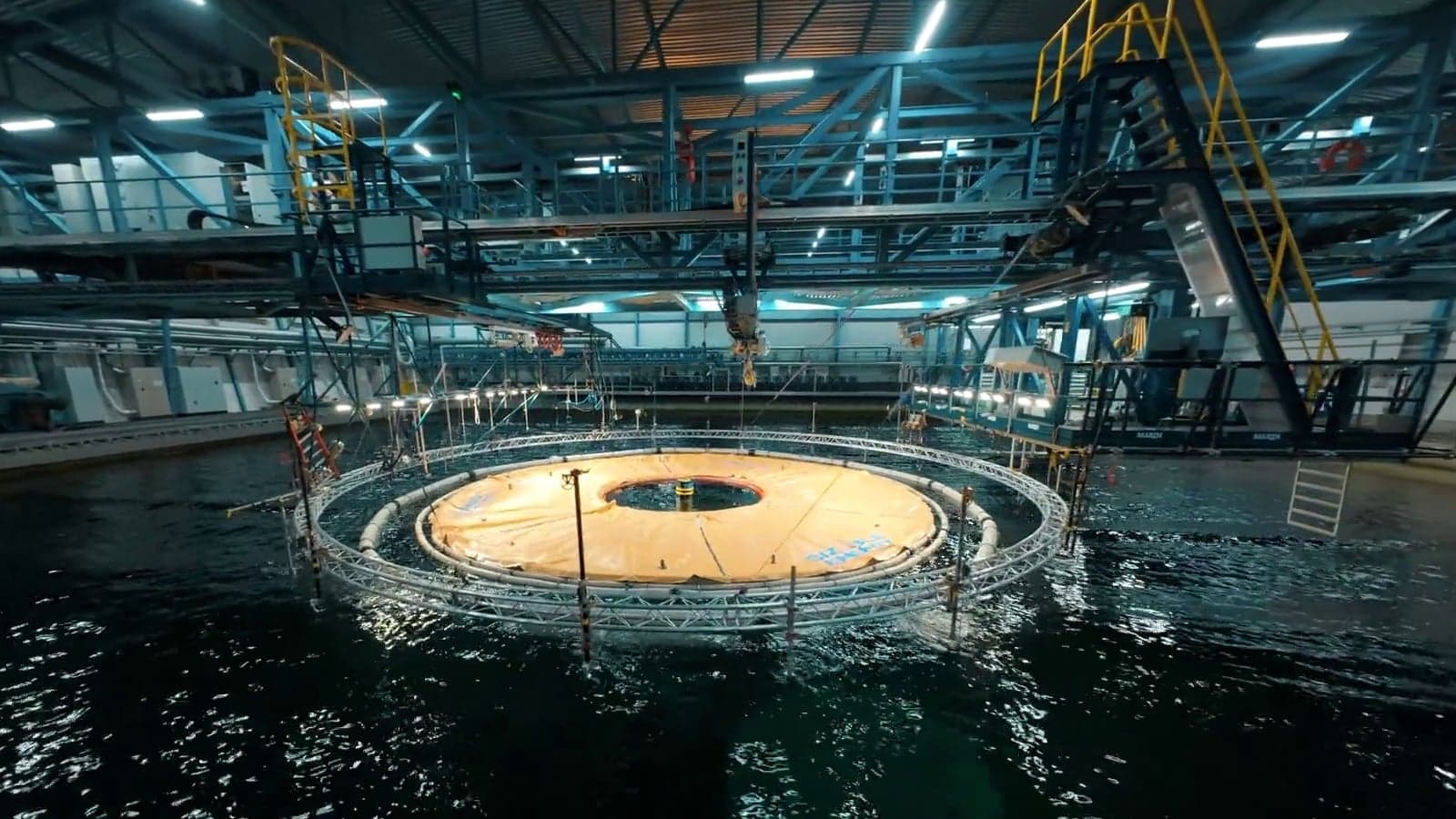
Hydrostor is at the forefront of developing and operating LDES systems around the world that can meet this need. Our patented Advanced Compressed Air Energy Storage (A-CAES) technology allows grid operators and large energy users to draw on clean energy, even when wind and solar generation is not available.
Among other LDES competitors, A-CAES offers distinct advantages – not least of which is that it is commercially available and financeable today. A-CAES is also compact and can be flexibly located, where the grid needs it, at a scale (200-500MW) that is required to replace fossil-fired generating sources, maintaining a 50+ year lifetime that experiences zero efficiency degradation, all while having an emissions-free process.
Combining sustainability with scalability
A-CAES was intentionally designed around existing supply chains and workforces from the hydrocarbon industry, which removes risks associated with new technologies.
It is highly scalable and capable of powering hundreds of thousands of homes with a single facility. It does not rely on hard-to-recover minerals and has a low overall environmental footprint relative to alternative incumbents, like pumped hydro or large battery projects.
Because we leverage existing supply chains, optimised for large-scale applications, our solution combines sustainability with scalability, making it an ideal choice for LDES needs worldwide.
Our first project in, Ontario, Canada, is the world's first operational and commercially contracted A-CAES facility. We are now focused on larger projects – our 200MW Silver City Project in Australia and our 500MW Willow Rock project in California are in the late stages of development and expected to come online before the end of the decade.
Our team is also progressing a pipeline that exceeds 7,000MW primarily in Europe, Australia, and North America, focused on markets which have identified near-term needs for LDES. As global LDES markets continue to evolve, Hydrostor’s A-CAES technology will be one of the essential pieces supporting grid decarbonisation.
Hydrostor is advocating for supportive LDES policies, like long-term planning by grid operators that prioritises the replacement of fossil generating sources with renewables, and directly incentivises the adoption of LDES technologies, which are necessary to move away from polluting sources of energy. It is important for grid planners to look ahead given the longer development timeframes for many LDES projects, and set clear targets for the deployment of LDES.
In Italy, for example, Terna has recognised the benefits that long-duration energy storage can provide and proposed their procurement mechanism to support the build-out of at least 9GW of long-duration storage capacity that is needed by the early 2030s.
However, as renewable capacity continues to grow and generation fleets transition towards low-carbon alternatives throughout Europe, system operators like Terna will need to continue to develop targeted policies to ensure they will have long-duration storage when needed, and where needed, taking into account the long-lead nature of long duration energy storage technologies.
Looking ahead, long-duration energy storage will not just be another trend - but a vital component in the journey towards decarbonising electricity grids globally.
We envision a future where LDES becomes synonymous with grid stability and sustainability. Hydrostor is poised to lead this transition with our A-CAES technology, and we remain committed to being at the forefront of deploying LDES projects worldwide.
About the Author

Sarah Griffiths, Vice President, Government & Regulatory Affairs, Hydrostor
As Vice President, Government & Regulatory Affairs at Hydrostor Inc., Sarah works to enhance policy and regulatory arrangements for long-duration energy storage.
Sarah has actively been involved in all areas of electricity market operation, regulation, legislation and policy development most recently at a large independent power producer where she focused on expanding the participation of alternative technologies. Sarah has a degree in Political Studies from Queen’s University in Kingston, Ontario, and a Master of Science in Public Policy from the London School of Economics.
Visit the Hydrostor website to learn more: https://hydrostor.ca/