Home
/
Leveraging cellular broadband enabled smart meters for reducing energy theft and improving revenue protection for utilities
Leveraging cellular broadband enabled smart meters for reducing energy theft and improving revenue protection for utilities
Guest/partner contributor
Posted on: 4 January 2024
Cellular broadband-enabled smart meters allow real-time measurement and monitoring of electricity consumption in homes, businesses and industrial customers, writes Marcos Aurélio Ribeiro.
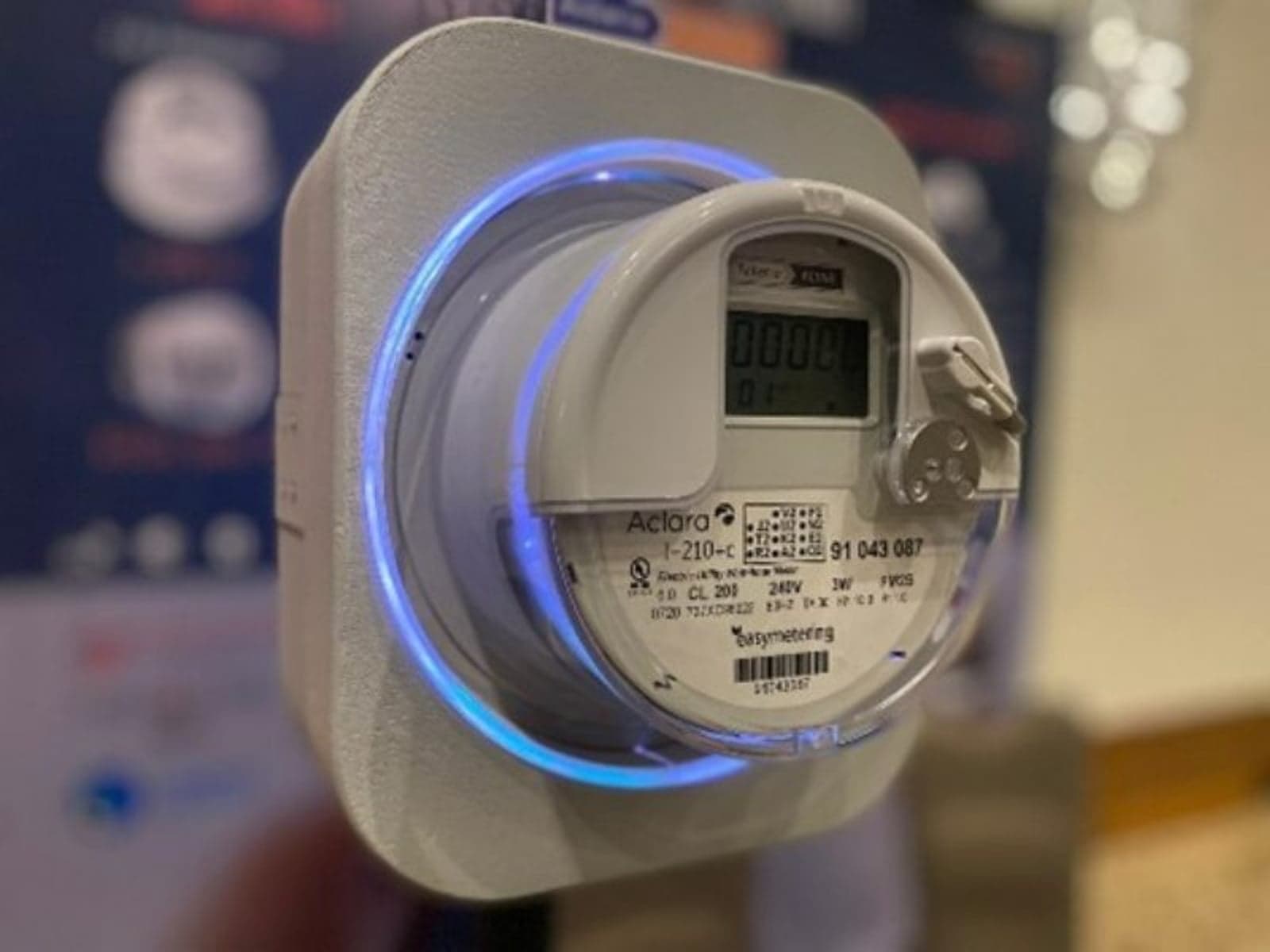
Broadband-enabled smart meters allow real-time measurement and monitoring of electricity consumption in homes, businesses and industrial customers, writes Marcos Aurélio Ribeiro.
These devices have proven to be an effective tool to reduce the financial losses of electric companies, especially when combined with cellular networks, given all the advantages LTE broadband cellular connectivity offers.
But how exactly do smart meters using cellular networks turn the tide against energy losses for electric utilities?
Cellular broadband-enabled smart meters provide a comprehensive set of technologies that play a crucial role in supporting the energy theft reduction plan.
Have you read?
Gridspertise acquires Nordic metering provider Aidon
Smart meters crucial for flexibility savings finds Cornwall Insight
These advanced meters offer various features and capabilities that enhance data collection, analysis and communication, enabling utilities to detect and prevent energy theft effectively.
Let's delve into the detailed technology information plug in and find out.
AMI 2.0: Automating consumption readings with smart meters
First, broadband-enabled smart meters are part of an Advanced Metering Infrastructure (AMI) network. This network facilitates two-way communication between the utility and the smart meters, enabling the exchange of data and commands remotely, allow an accurate and automated reading of each user's electricity consumption.
Conventional meters often require technicians to read and record energy consumption periodically manually. They monitor the energy consumption for each user, residential, commercial and industrial. Smart meters can send consumption data directly to the utility via cellular networks. They communicate consumption data seamlessly to utilities through cellular networks, eliminating costly travel expenses and reducing human errors associated with manual readings as well as carbon footprint, accident risks, traffic, etc.
Real-time monitoring and interval data recording
Broadband-enabled smart meters record consumption data at regular intervals (e.g. every 15 minutes), providing granular details about energy usage. This level of precision is crucial for detecting anomalies and identifying irregular consumption patterns associated with energy theft.
As well as automating readings, smart meters provide a granular snapshot of energy consumption, updated in real-time. Smart meters provide users with detailed insights into their energy usage, allowing them to make informed decisions to reduce consumption and adjust their habits accordingly. This encourages energy efficiency, reduces peak demand, helps utilities avoid grid overload situations, and reduces operating and infrastructure costs for the utility.
Securing reliable communication with cellular networks
Key to the success of smart meters is their integration with cellular networks, offering wide continuous coverage, stable connectivity and reliable data transmission from meters to utilities.
In addition, cellular networks deploy advanced security protocols to protect the integrity and confidentiality of the transmitted data, lending an extra layer of assurance.
Cellular broadband connectivity for enhanced efficiency
A game-changer for smart metering lies in broadband's enhanced data transmission capacity in LTE cellular connectivity. Broadband provides greater high-speed data transmission capacity allowing the development of new applications or use cases for smart metering and AMI solutions.
Fraud detection: combating electricity theft and enhancing reliability
Broadband-enabled smart meters are equipped with tamper detection mechanisms. These meters can detect physical tampering attempts, such as bypassing or manipulating the meter. In such cases, the meter can generate alerts to notify the utility of potential theft incidents. Deploying smart meters using cellular networks can also improve detection and response to electrical fraud, including real-time transmission of energy consumption anomalies.
They could point to illegal connections or tampering with the grid by identifying unusual consumption patterns and inconsistencies. Early detection allows utilities to take swift action, reducing economic losses and maintaining a reliable power supply for consumers, leading to greater customer satisfaction and cost-efficiency.
Data analytics
The abundance of high-resolution data collected by broadband-enabled smart meters can be processed and analysed using advanced data analytics and machine learning algorithms. These algorithms can identify specific patterns and trends indicative of energy theft, such as sudden spikes in consumption or abnormal usage patterns during certain hours.
Through the AMI network, broadband-enabled smart meters allow for remote disconnect capabilities. If energy theft is suspected, the utility can remotely disconnect the service, preventing further unauthorised consumption until the issue is resolved.
Additionally, smart meters with load limiting capabilities can restrict energy supply when abnormal consumption is detected, further deterring potential theft. The data collected from broadband-enabled smart meters can be integrated with geospatial mapping tools, allowing utilities to visualise consumption patterns across different areas. This visualisation can help identify specific regions or neighbourhoods with suspicious energy consumption trends, effectively targeting theft reduction efforts.
Customer engagement portals
Broadband-enabled smart meters enable customer engagement portals, where customers can access their energy consumption data in real time. This transparency empowers customers to monitor their usage closely and report any irregularities they observe, acting as additional eyes in detecting potential theft.
Machine learning
- Anomaly detection: Machine learning (ML) algorithms can be applied to the vast amounts of data collected from broadband-enabled smart meters to identify abnormal consumption patterns that may indicate energy theft. ML models can learn from historical data and detect deviations from typical usage, raising alerts for further investigation.
- Predictive analytics: ML models can predict potential energy theft incidents based on historical data and usage patterns. This proactive approach allows utilities to take preventive measures before significant losses occur.
- Load forecasting: Machine learning can be utilised to forecast energy demand accurately, helping utilities optimise grid operations, reduce wastage and identify discrepancies between the energy supplied and consumed.
Artificial intelligence (AI)
- AI-driven customer engagement: AI-powered chatbots and virtual assistants can engage with customers, answering queries related to energy usage, billing and theft prevention. AI systems can provide personalised energy-saving tips, encouraging customers to be more vigilant about energy usage and report any suspicious activities.
- Cognitive analytics: AI-based cognitive analytics can analyse unstructured data, such as text or voice recordings, from customer complaints and feedback. This helps utilities gain insights into customer sentiments, enabling them to enhance service quality and address concerns proactively.
- Predictive maintenance: AI algorithms can analyse data from smart meters and other grid equipment to predict maintenance needs. Timely maintenance can prevent malfunctions and potential tampering, reducing the risk of energy theft.
Distributed intelligence
- Decentralized decision making: Distributed intelligence allows smart meters to make autonomous decisions at the edge of the network, reducing the need for constant communication with a centralised system. This facilitates quicker responses to anomalies and potential theft, even during connectivity issues.
- Load balancing: Smart meters equipped with distributed intelligence can collectively optimise energy distribution and load balancing within local neighbourhoods, enhancing grid stability and efficiency.
- Peer-to-peer energy trading: Distributed intelligence can enable peer-to-peer energy trading between neighbouring consumers, promoting energy sharing while minimising the risk of unauthorised consumption.
Edge computing
- Real-time data processing: Edge computing enables data processing and analytics to be performed at the edge of the network, reducing latency and enabling real-time insights from smart meter data.
- Localised anomaly detection: With edge computing, smart meters can detect anomalies locally, triggering immediate actions such as load limiting or disconnecting in response to potential theft, without relying solely on central systems.
Enhanced security
Broadband-enabled smart meters incorporate robust security protocols to protect data integrity and prevent unauthorised access.
Data encryption and secure communication channels ensure that customer data remains confidential and safe from cyber threats. Applying edge computing enhances data security by processing sensitive information at the device level, reducing the risk of data breaches during transmission to central servers.
Cross sector applications
- Real-Time anomaly detection and load limiting: Using machine learning at the edge, smart meters can detect anomalies in real-time and initiate load limiting directly to prevent unauthorised consumption.
- Predictive maintenance with AI: AI-driven predictive maintenance can anticipate potential tampering attempts, leading to proactive maintenance interventions.
- Cognitive analytics for customer engagement: AI-powered cognitive analytics can be integrated into customer engagement portals to provide personalised energy efficiency recommendations and identify trends in customer reports related to energy theft.
- Load forecasting with distributed intelligence: Distributed intelligence can optimise load forecasting by considering local energy consumption patterns and adjusting demand predictions accordingly.
Conclusion
In summary, smart meters using cellular networks offer several benefits that reduce economic losses for electric utilities. These devices enable automated and accurate readings of electricity consumption, promote energy efficiency, improve electrical fraud detection, and ensure reliable and secure communication between meters and the utility.
By incorporating machine learning, artificial intelligence, distributed intelligence and edge computing into the energy theft reduction plan empowers utilities to proactively detect and prevent theft, optimise grid operations and enhance customer engagement.
By leveraging these cutting-edge technologies, utilities can create a smart, secure, and efficient energy ecosystem for sustainable growth.
Using AMI 2.0 technologies and cellular connectivity, utilities can optimise their operations, reduce meter reading costs, encourage energy efficiency, improve fraud detection and upgrade their role from reactive to proactive troubleshooting.
About the author:

Marcos Aurélio Ribeiro is Head of Business Development & Product Management at Easymetering LLC, with responsibility for driving the success, growth and client satisfaction at Easymetering LLC.
Easymetering is a provider of AMI and smart metering solutions for utility companies worldwide.
Related tags
Latest content
+2
Data Series S1 E4: Smart Meter Marathon Part 2: Knock, knock, your smart meter is calling
This episode focused on the innovations that regard smart meters. Topics like the smart metering security, ethics, data management, legal issues and sustainability were discussed.
- Enlit Editorial Team
- 01/01/1970