METAWAVE – High temperature heating for increased energy efficiency
Guest/partner contributor
Posted on: 20 December 2025
METAWAVE aims to revolutionise high temperature heating industrial processes using microwave-based heating systems.
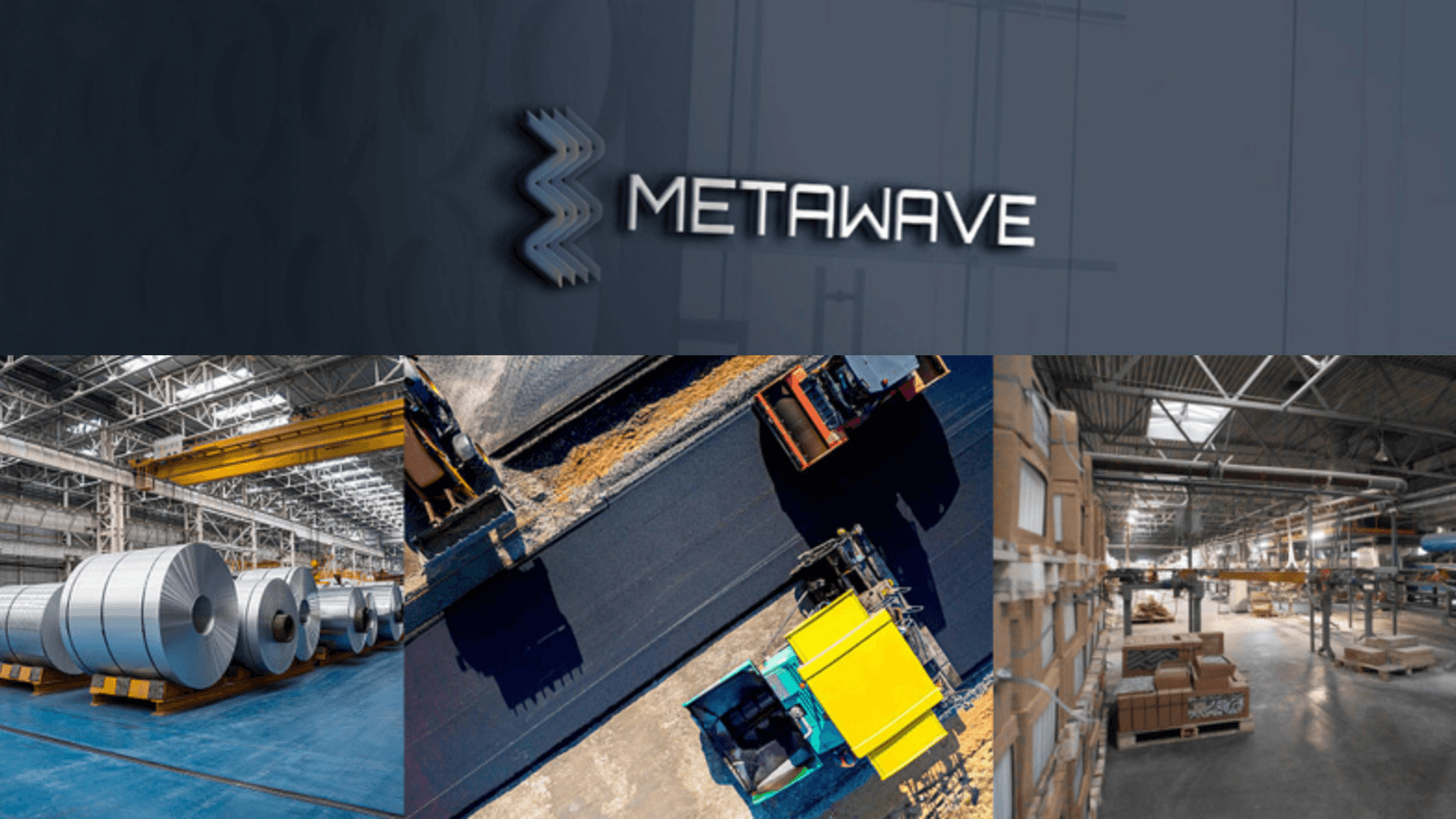
The process industries are foundational to the industrial sector, converting raw materials into essential intermediate and final products. They play a vital role in the European economy, directly employing around 8.5 million people and generating an annual turnover of €2 trillion [1]. However, these industries are highly energy-intensive and heavily dependent on fossil fuels, making them significant contributors to greenhouse gas (GHG) emissions, particularly CO₂.
Notably, process heating alone accounts for approximately 50% of the EU's total industrial energy demand [2]. In line with the European Green Deal’s vision for a climate-neutral and resource-efficient Europe [3], enhancing energy efficiency and integrating renewable energy into industrial heating processes has become a top priority.
Addressing this challenge, the METAWAVE project introduces an innovative solution: the use of advanced microwave-based heating systems for high temperature industrial processes (above 400 °C).
Microwave technology offers several advantages over conventional heating methods. It achieves heating efficiencies of up to 90%, significantly reducing energy consumption and operational costs. This is due to its ability to deliver heat directly and volumetrically, which shortens processing times and boosts productivity. Moreover, microwave systems provide precise temperature control, ensuring consistent product quality and minimising waste.
Another key benefit is their energy flexibility. When powered by renewable sources and integrated into a virtual power plant, microwave systems enhance sustainability and adaptability. This makes them particularly attractive for energy intensive sectors aiming to reduce their environmental impact without compromising performance.
Overall, METAWAVE’s approach represents a promising step toward decarbonising industrial heating, aligning technological innovation with Europe’s climate goals.
METAWAVE methodology
The METAWAVE project applies microwave-based heating systems to high temperature processes in ceramics, asphalt and aluminium sectors. Three tailored prototypes will be designed using electromagnetic and thermodynamic simulations and then manufactured to replace conventional heating systems.
Depending on the application, heating will be demonstrated either directly, via microwave absorption, induction or hot air, or indirectly using a microwave plasma torch for heat transfer.
To maximise energy efficiency, new refractories will be developed from raw materials and adapted to each use case. Feedstocks will be enhanced with nanostructured additives to improve microwave absorption. Additionally, a network of sensors will be implemented to monitor the system’s physical behaviour in real time. A distributed process control system will ensure access to critical parameters, enabling precise control and optimisation of the heating process.
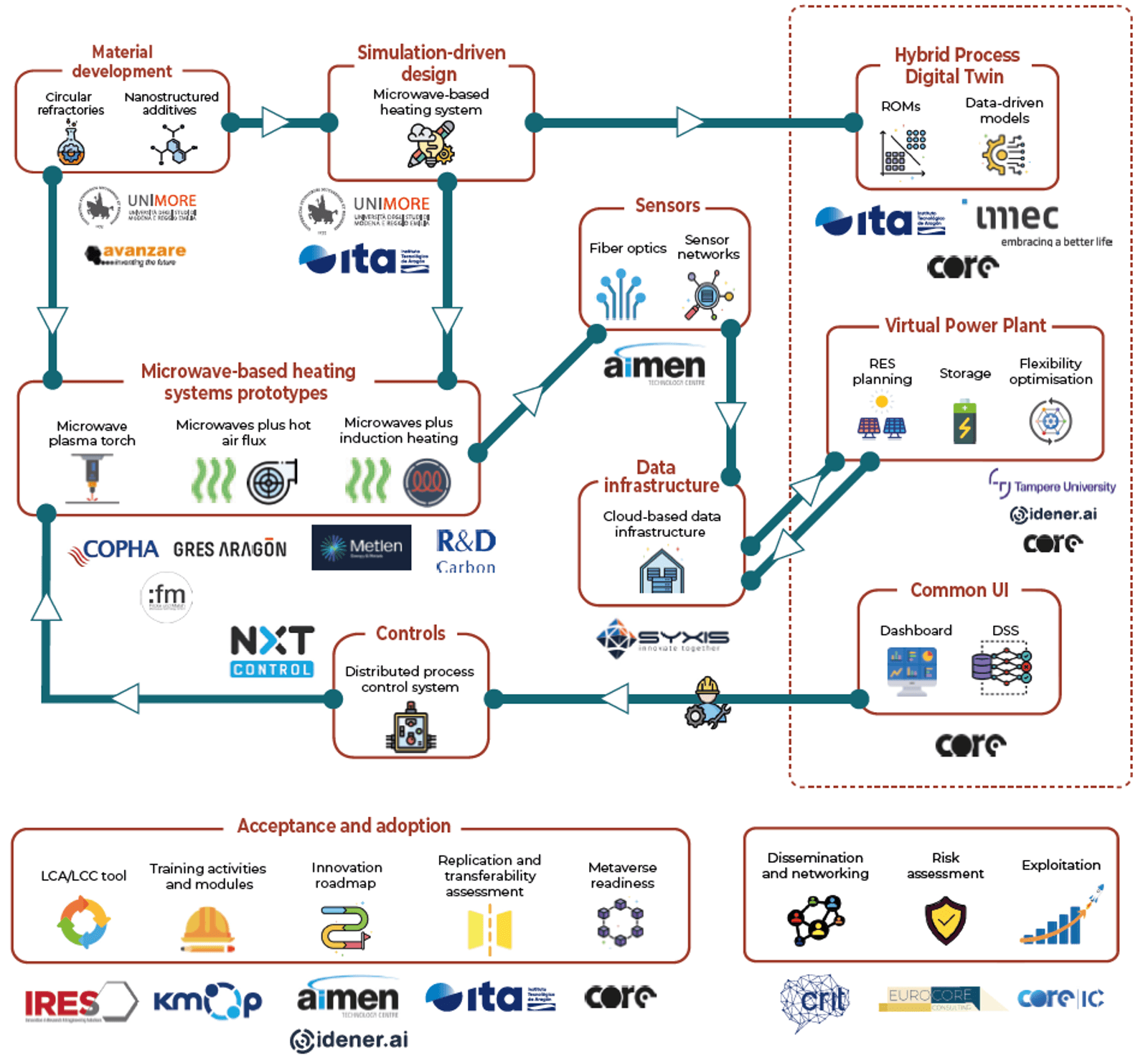
To further reduce energy demand, novel digital technologies will be developed and combined with the heating system. A hybrid digital replica of the heating process (process digital twin), based on both physical and data model analysis, is crucial for discovering the parameter space that optimises the process.
Additionally, to capture the full potential of the renewables and ensure energy flexibility, a virtual power plant will be deployed to perform an energy balancing of the grid’s energy, distributed renewable energy sources and energy storage systems and the process load. It will be supplemented with forecasting and decision support capabilities, allowing for continuous testing and simulations of what-if scenarios, towards reducing the overall cost and the carbon footprint.
Both the process digital twin and the energy management system will provide suggestions to support the decision making of the user through a common user friendly interface, which will also enable holistic and detailed monitoring of the process and its electrification.
Finally, to ensure industrial adoption and uptake, a complete analysis of the techno-economic feasibility and its overall environmental impact will be conducted, as well as a complete replication, transferability and scalability assessment. Synergies with other R&I initiatives are investigated, and a roadmap centred on H4C will be created.
Industrial use cases
The METAWAVE methodology is applied in three industrial use cases from the ceramics (IUC1-GRES), asphalt (IUC2-COPHA) and aluminium (IUC3-METLEN) sectors, demonstrating three distinct technological configurations centred on microwaves either directly or indirectly.
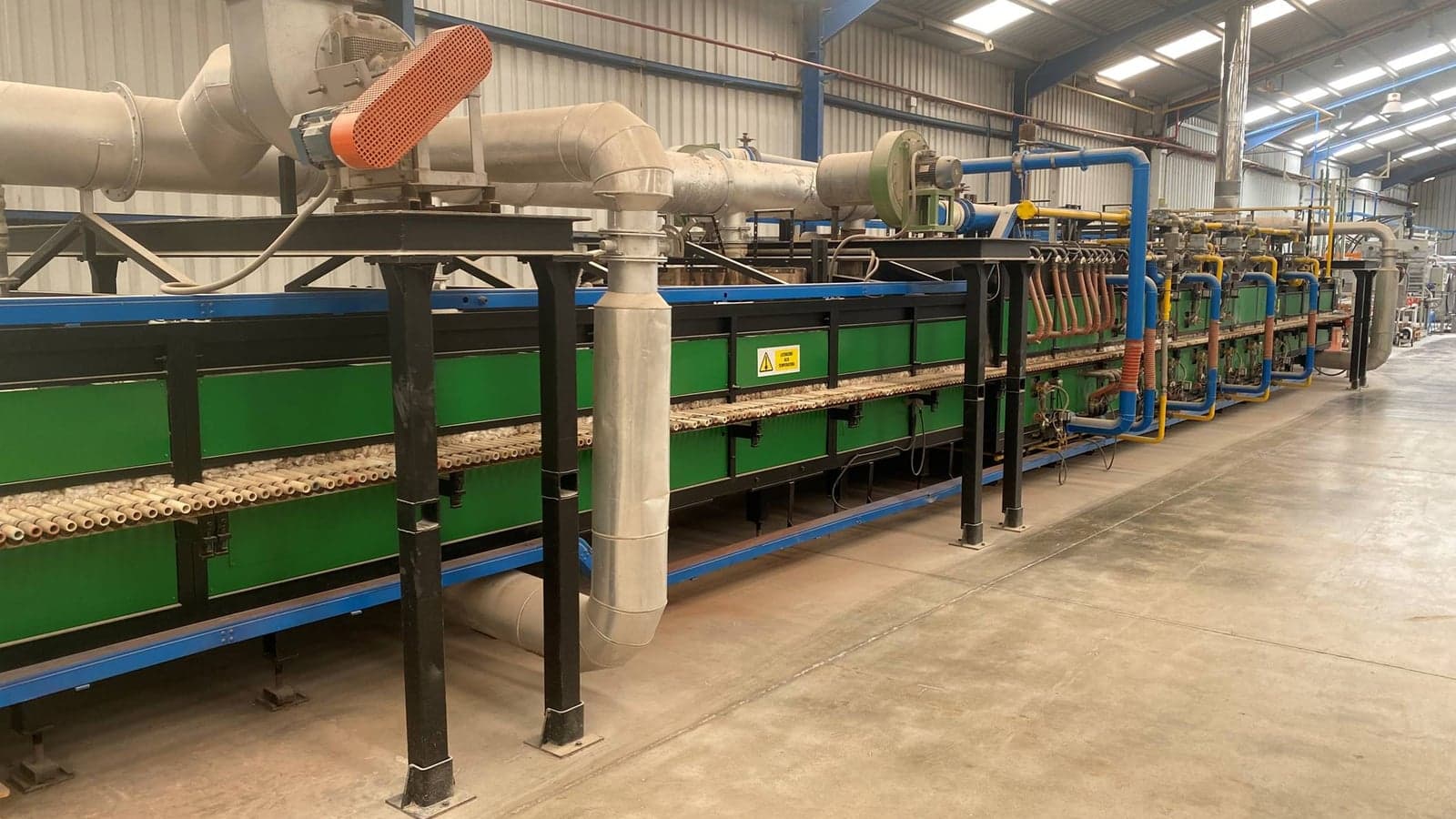
The IUC1, GRES Aragon, is a manufacturer of ceramic products, a sector that is responsible for 1% of EU industrial emissions (19Bt CO2eq/year). This is a result of the high intensity heating processes involved, primarily firing.
The METAWAVE project is developing a kiln prototype based on microwave plasma for the ceramics firing process, where high temperature processing and low loss materials undergoing severe phase changes and dimensional changes are involved. The superior heating efficiency of the microwave heating system, projected at 70%, together with a 5% energy reduction thanks to digitisation, will lead to a significant reduction in final energy use, from 5.76GWh to 3.8GWh (signifying 33.2% energy savings) and thus 40% emission reduction (427t CO2eq/y being averted).
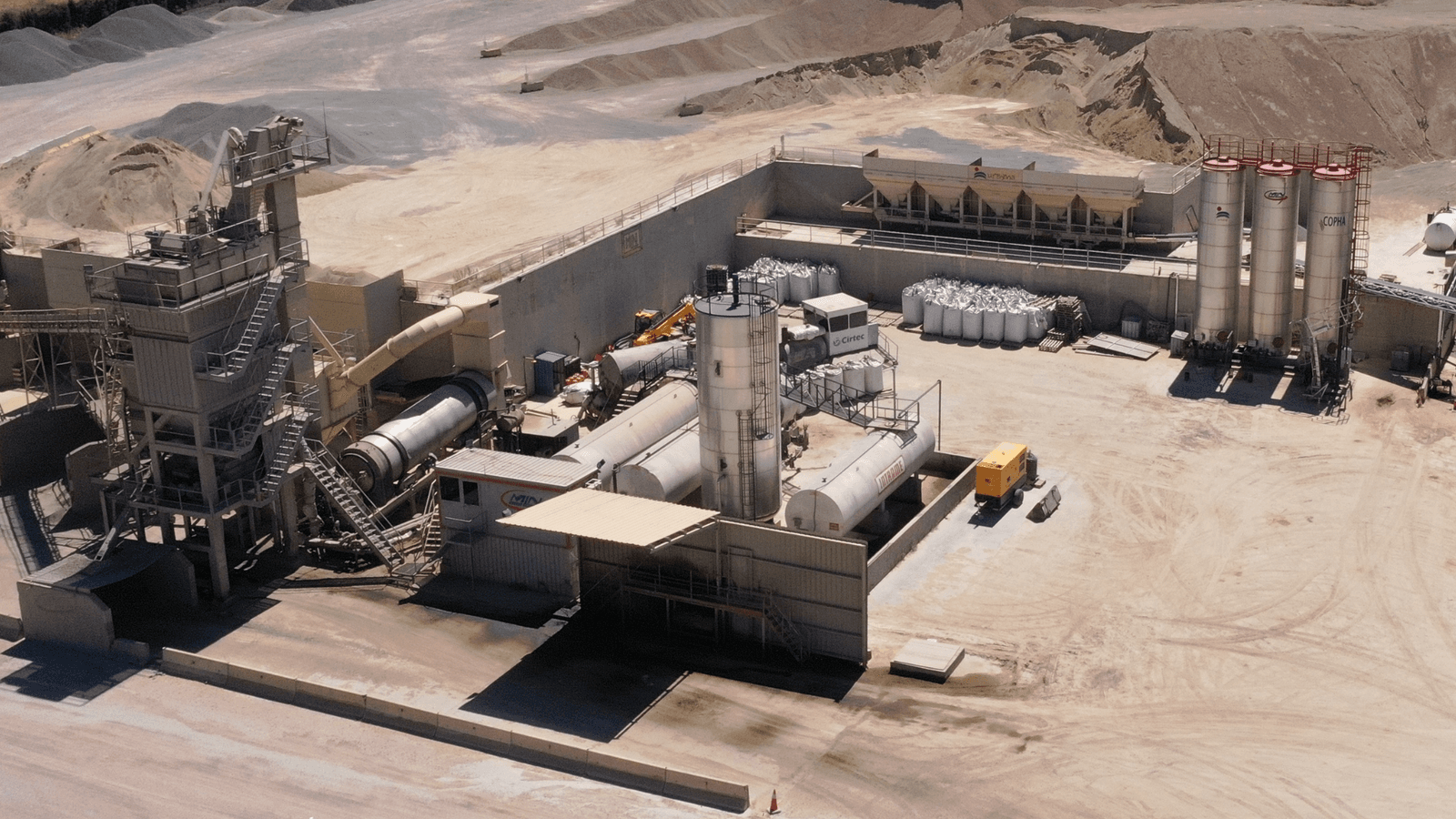
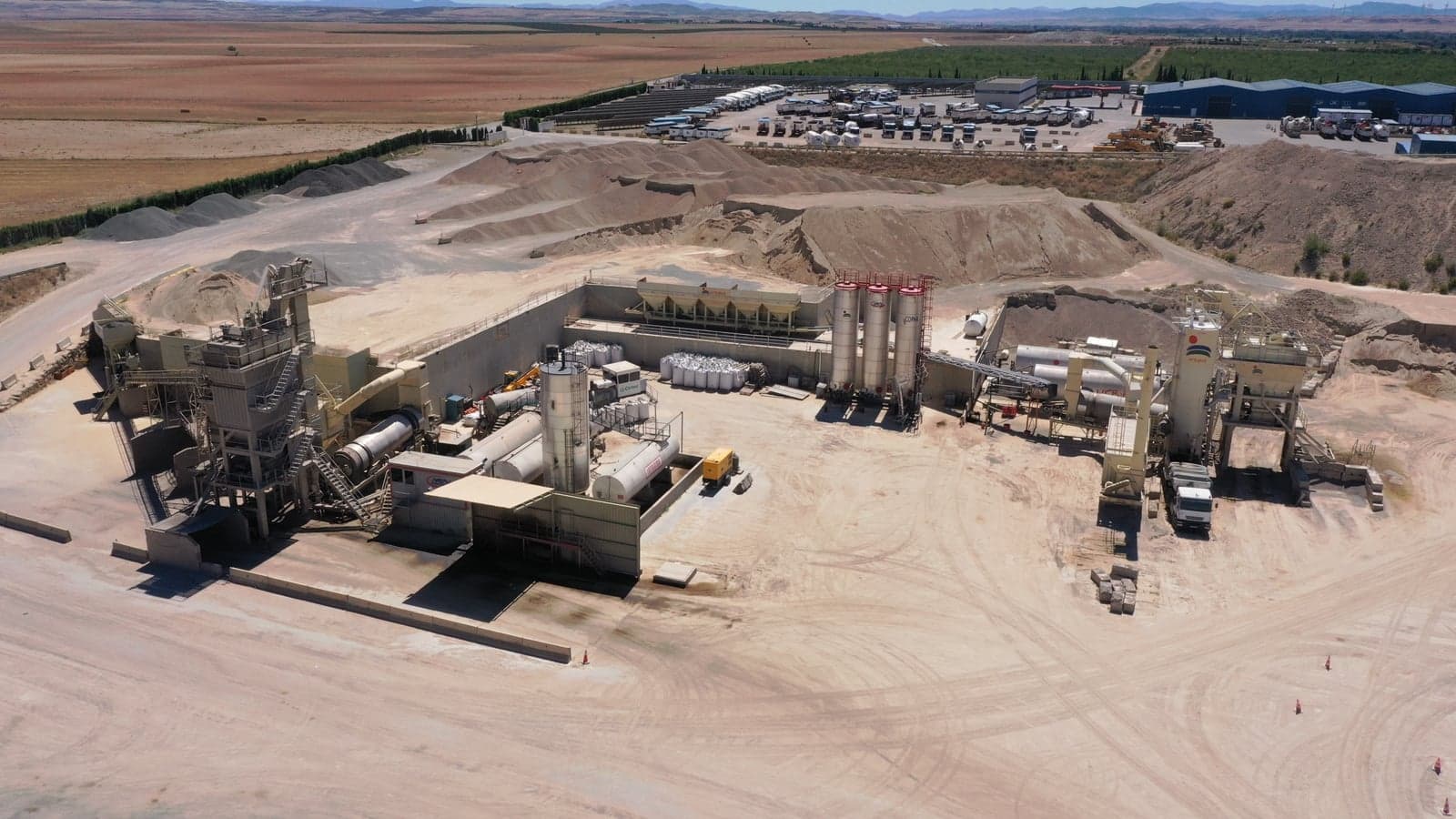
The IUC2, COPHA, is an asphalt producer, a sector that is responsible for industrial emissions of more than 3Mt CO2eq/y in the EU, coming mainly from drying and mixing, both energy intensive processes powered by fossil fuels. This project is developing an oven based on direct microwave heating plus hot air flux for the aggregates’ drying process, where volumetric heating and selectivity of microwaves can be coupled to the efficiency of hot air in removing the surface water.
This new concept is expected to increase the heating efficiency, projected at 90% for the microwave heating system, reduce thermal losses by 47% and further reduce by 5% energy consumption thanks to digitisation. As a result, a significant reduction in final energy use is expected, from 7.3GWh to 3.8GWh (signifying 47.2% energy savings), and thus 64% emission reduction, yielding a reduction in the CO2 footprint of 1,152t CO2/y.
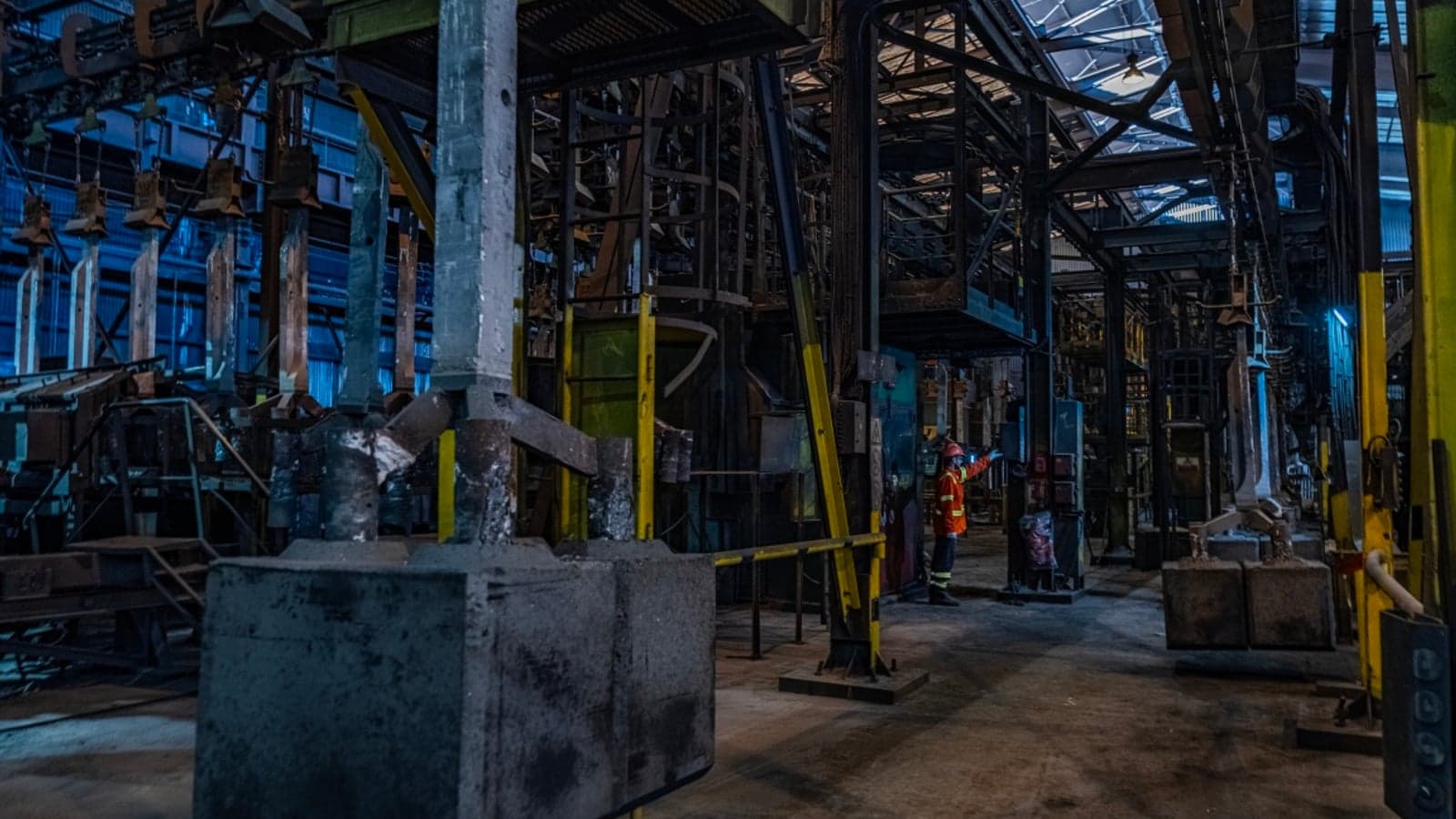
The main activities of IUC3, Metlen, are in aluminium production, in which heat-related emissions account for 10Mt CO2eq/y. Specifically, the anode production process in the EU is responsible for 7.23Mt CO2eq/y.
The METAWAVE project is developing an oven that combines direct microwave and induction heating to provide the best results for the thermal processing of carbon anodes, where high electrical conductivity materials are generated because of a preliminary dielectric heating phase and large dimensions of the load are involved. A superior heating efficiency of the proposed microwave heating system is projected at 65%, together with 39% thermal losses reduction and a further 5% energy reduction thanks to digitisation. As a result, a significant reduction in final energy use is expected, from 104 to 70GWh, signifying 32.8% energy savings, and thus 40% emission reduction, yielding a reduction of 7.7kt CO2 per year.
Through these demonstrations, METAWAVE seeks to encourage the broader adoption of microwave technology and stimulate further innovation and development in this promising field.
References
1. Strategic Research and Innovation Agenda P4P - ASPIRE.
3. The European Green Deal – Brussels, 2019.
About the author
María Herrando, project coordinator of the METAWAVE project, is principal investigator at the Instituto Tecnológico de Aragón (ITA) and an Honorary Research Fellow at Imperial College London. An industrial engineer, she holds an MSc in Sustainable Energy Futures, a PhD in Renewable Energy and Energy Efficiency and 15 years of experience in R&D projects.
Related tags
Most popular
Join the community for freeAnd get access to all content
Related projects
METAWAVE
+1
1 January 2024 - 31 December 2027
View project