Home
/
National Grid taps startup for connections intelligence as UK tackles ‘speculative’ requests
National Grid taps startup for connections intelligence as UK tackles ‘speculative’ requests
Yusuf Latief
Posted on: 16 March 2026
National Grid DSO partners with Yottar to reassess grid capacity understanding as the government prioritises transmission projects like AI data centres and industrial sites.

National Grid’s UK electricity distribution arm has partnered on a platform to transform how grid capacity is assessed as the government says they are reforming conditions for joining and remaining in the queue for demand connections on the transmission network.
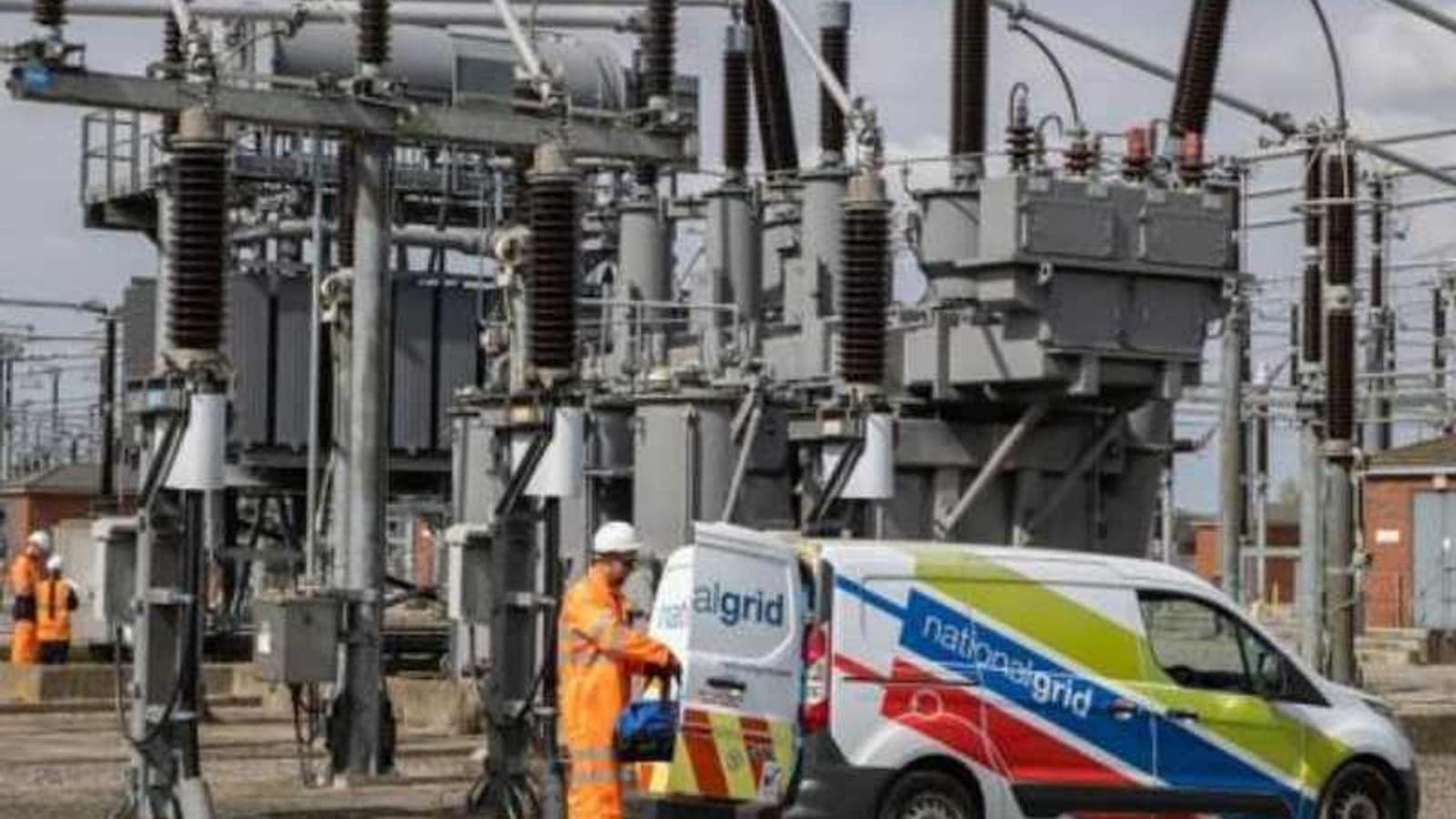
National Grid Electricity Distribution (NGED) partnered up with Yottar, a grid intelligence startup, to develop a platform that will support the development of detailed network models to provide rapid insight into potential connection opportunities and constraints.
As electrification accelerates, the number of projects seeking to connect to the electricity system is rising rapidly.
Especially in the UK, developers and network connection engineers increasingly need faster and more transparent ways to understand where capacity exists on the grid and when it can be accessed.
The collaboration, says NGED, will combine their engineering expertise and operational understanding of the distribution network with Yottar’s capabilities in data modelling and software development to create a digital platform for automated grid capacity assessment.
The platform will support the development of detailed network models to provide rapid insight into potential connection opportunities and constraints, helping both network connection engineers and asset developers make better-informed decisions earlier in the development process.
Oliver Spink, Head of System Planning at National Grid DSO, said in a release that the collaboration will “play an important role in developing the digital capabilities that help developers understand network capacity and move through the connections process more efficiently.”
By automating key elements of capacity assessment and improving the accessibility of network planning information, the platform has the potential to streamline NGED’s connection engineer workflows, help developers identify viable projects much earlier in the site selection and development cycle, and as a result reduce speculative applications.
The partnership will explore how digital platforms can support a broader evolution of the connections process. Earlier and more consistent visibility of network capability can enable faster project development, better use of existing infrastructure and a wider range of innovative approaches to connecting new demand and generation.
More on the UK's energy sector:
UK overhauls grid connections queue
UK’s NESO partners with Alphabet’s Tapestry on Grand Optimiser project
Said Pete Clutton-Brock, Founder and CEO, Yottar:
“We are excited to be working with National Grid, who are showing real leadership in collaborating with innovative technology companies to modernise the electricity system.
“By combining NGED’s engineering expertise with Yottar’s digital grid modelling platform, we have the opportunity to support connection engineers with faster and more consistent assessments while giving developers earlier visibility of viable connection opportunities.”
Connections in the UK
Days prior to the partnership from National Grid DSO, the UK government announced reforms to strengthen conditions for joining and remaining in the queue for demand connections, prioritising strategically important projects, such as AI data centres and industrial sites.
According to the government in a release, the queue for demand connections to the UK’s transmission network grew by 460% in the 6 months to June 2025.
Speculative applications, they say, are inflating the pipeline, delaying connections for strategically important projects. This has contributed to waits of up to 15 years for projects to connect to the grid.
To address this, the government is consulting on measures to tackle speculative applications, address the oversubscribed queue, and accelerate viable projects that will benefit Britain. This includes data centres and AI growth zones, EV charging hubs and electrified industrial sites.
The surge in demand applications shows the strength of investment interest across Great Britain, but the demand connections pipeline must reflect projects that are credible, ready and committed to progressing.
As well as prioritising connections for key projects, the reforms aim to strengthen the conditions for joining and remaining in the queue, to tackle speculative applications.
Ofgem will shortly be consulting on its preferred conditions, which could include increasing the financial requirements for developers in the queue, such as deposits or fees which would be payable if key milestones are not met
The reforms will enable the government to publish a list of strategically important projects, which will be at the front of the queue as capacity is freed up or created.
Planned AI Growth Zone reforms will provide priority access to the available capacity on the grid, with data centres in some AI Growth Zone locations benefitting from significant discounts on their electricity bills. Developers could also be supported to connect their own high voltage lines and substations to power their data centres – rather than waiting for network operators to do it.
Kayte O’Neill, NESO Chief Operating Officer said in a release: “The surge in demand applications shows the strength of investment interest across Great Britain, but the demand connections pipeline must reflect projects that are credible, ready and committed to progressing.
“We are committed to working with government, industry and Ofgem to prioritise strategically important projects, while removing speculative applications. This will ensure data centres, industrial sites and vital public services can access clean, reliable power, while also supporting growth, innovation and jobs across Britain.”
Eleanor Warburton, Ofgem Director for Energy System Design and Development said: “There must be bold action to deal with the growing bottleneck in demand projects connecting to the grid.
“Ofgem is consulting on tough reforms to block or remove unviable, stalled or speculative projects from the queue - and these are important further steps from government in prioritising and fast-tracking those projects which will drive growth, jobs and innovation.”
Latest in Digitalisation
All articlesPartner content
+1
Digital water management: Empowering utilities with scientific decision-making
As urban water distribution networks continue to expand and water resource management becomes increasingly complex, water utilities are facing growing operational challenges.
- Guest/partner contributor
- 03/07/2026