NATO cyber advisor ready to work with energy sector to bolster security
Guest/partner contributor
Posted on: 11 June 2025
As cyber incidents rise, "we can narrow the window for attacks, even if we can't close it," he tells energy conference in Brussels.
More electrification in Europe to replace imported fossil fuels should mean more energy security, but a Brussels conference heard there are many other threats to keep you awake at night, writes Vic Wyman.
The conventional notion of energy security today no longer applies, according to Krzysztof Bolesta, the secretary of state at the Polish Ministry of Climate and Environment.
"Now we are experiencing a physical threat to our infrastructure," he said. "Cybersecurity is another thing that we have to consider."
He told the conference of electricity federation Eurelectric, which represents more than 3500 European power generation, distribution and supply utilities, that risks also included the pushing of disinformation and non-resilient supply chains, including technology imports.
More from Brussels:
EU could be ‘pre-eminent destination for investment capital’… but work is needed
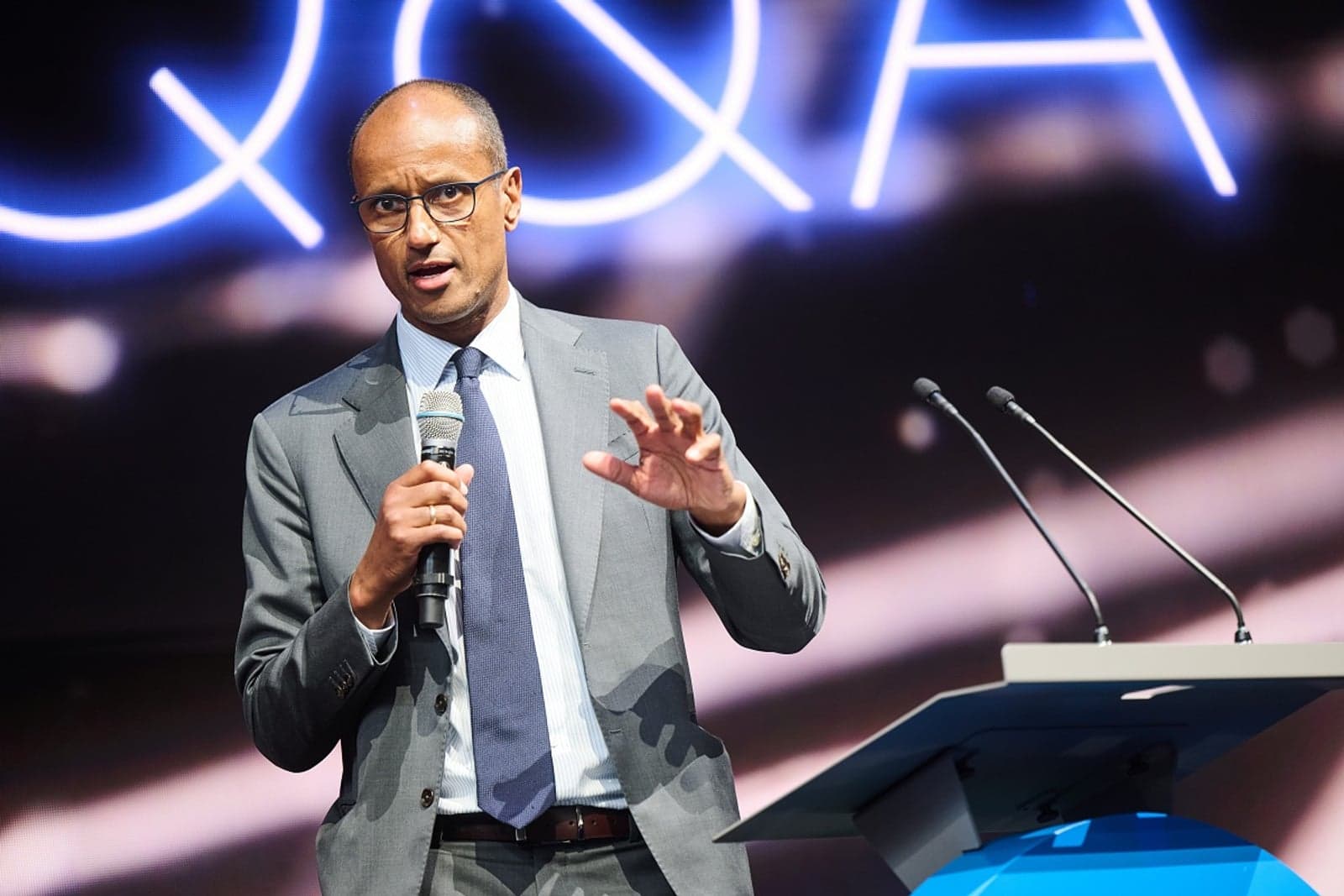
A less-than-cheery Jean-Charles Ellermann-Kingombe, assistant secretary-general for innovation, hybrid and cyber at NATO, told the Eurelectric meeting that physical attacks and cyberattacks on infrastructure have increased in recent years, with attacks on storage systems, for example, having the potential to undermine electricity supply and grid stability.
NATO saw energy as a critical aspect of defence, said Ellermann-Kingombe. In February, the organisation launched Task Force X to deal with attacks on critical infrastructure and said that it was willing to take an active role. "NATO is ready to work with industry," he said. "We can narrow the window for attacks, even if we can't close it."
The German state-owned energy company Uniper, for example, is tackling fuel supply risks associated with the expected complete ban on Russian gas imports into the EU by trying to sign long-term gas supply contracts, said the chief executive Michael Lewis.
Yet he claimed that Uniper was committed to decarbonisation, so such contracts would be limited.
They might, however, be cheaper than before the EU cut back gas imports from Russia following the latter's invasion of Ukraine, which has made the EU a bigger market player in the world.
Ditte Juul Jørgensen, director general for energy in the European Commission, said that over the past three years, the bloc has moved from being a marginal player in the gas market to the third largest.
Want more cybersecurity content?
Europe Energy Briefs | Status of cybersecurity in Europe’s electricity sector
Grid enhancing technologies: How to manage new cybersecurity risks