Navigating the digital energy era
Guest/partner contributor
Posted on: 5 October 2023
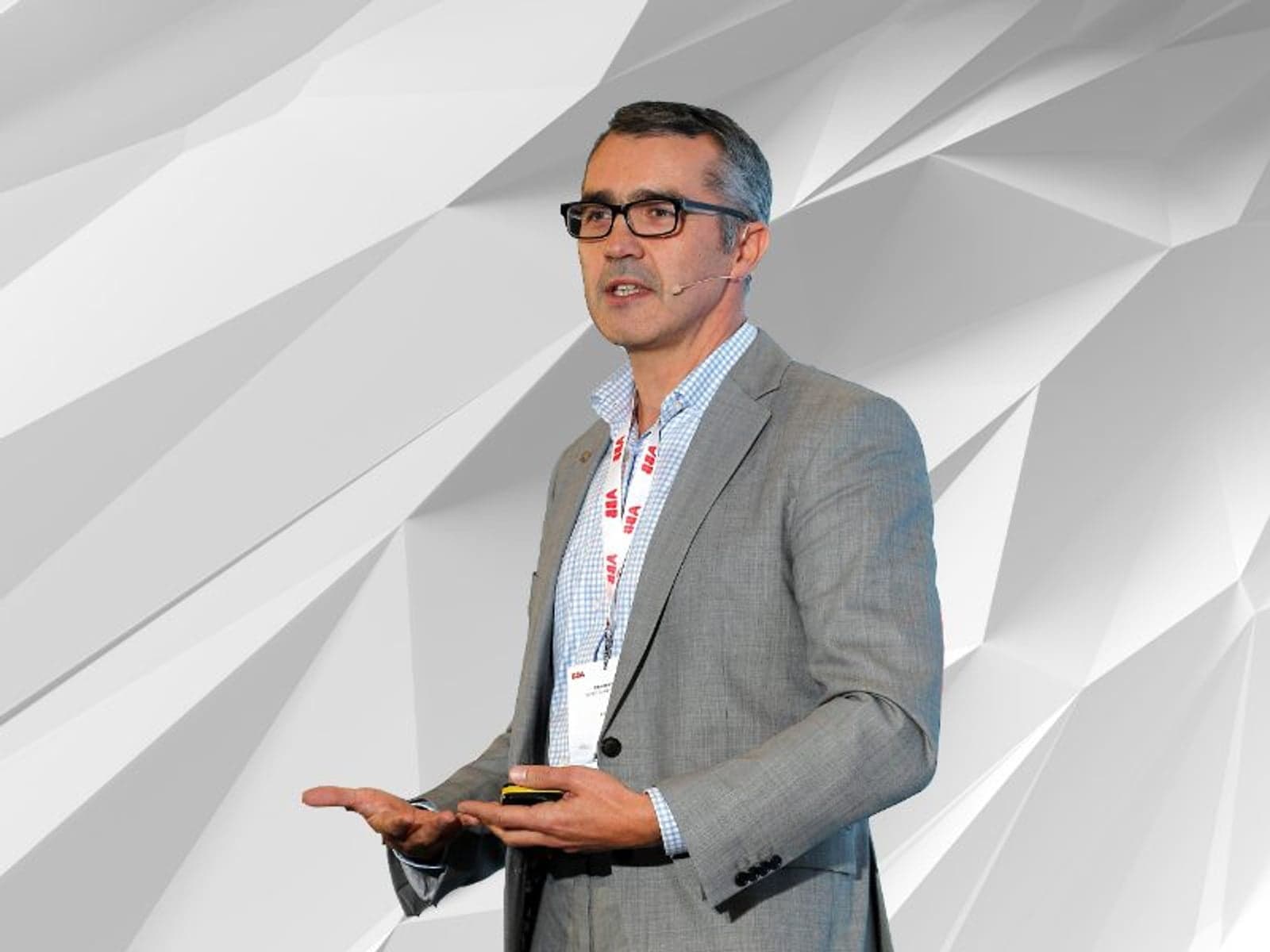
Antonio Martinez Reina, global utility and renewable leader for ABB explores the advantages digitalisation offers utilities.
From the analytical power of data, through to the introduction of AI and machine learning, digitalisation is becoming paramount in enabling the insights needed to make better decisions in all areas of the evolving energy landscape.
But while the associated cost advantage and flexibility might be more than welcome, taking the digital leap does come with some challenges – predominantly in embracing a new mindset, new ways of working and tackling the evolving threat of cybersecurity.
Antonio Martinez Reina, global utility and renewable leader for ABB explores the huge advantages it offers utilities and the key processes every operation should have in place to make it work.
In today's rapidly evolving energy landscape, digitalisation has emerged as a crucial tool in unlocking valuable insights and facilitating better decision-making. From harnessing the analytical power of data to leveraging artificial intelligence (AI) and machine learning, digitalisation has transformed the way we understand, manage and optimise energy systems.
The journey towards digitalisation has been underway for some time but the recent geopolitical climate has accelerated progress, particularly in relation to renewable energy where one of the critical challenges is integrating renewable energy sources into the existing grid infrastructure.
Digitalisation plays a vital role in addressing this challenge. Advanced data analytics and AI can assess factors like weather patterns, solar irradiance and wind speed to accurately forecast renewable energy generation. Technology such as 'digital twins' can also forecast customer demand patterns, allowing grid operators to efficiently balance supply and demand, minimise curtailment and enhance grid stability.
Have you read?
ABB to co-develop edge computing for decentralised networks
Survey: 76% of utilities are already implementing digitalisation plans
Comprehensive understanding
Data analytics lies at the core of digitalisation in the energy sector. By collecting and analysing vast amounts of data, companies can gain deep insights into their operations, customer behaviour and overall energy consumption patterns. Decision-makers can make evidence-based choices that maximize energy efficiency, minimize waste and reduce environmental impact.
Machine learning algorithms can also optimise energy storage and distribution systems, ensuring efficient utilisation of renewable energy sources. Through continuous learning and adaptation, AI and machine learning solutions help streamline operations, increase reliability and reduce costs.
Modern energy management systems can monitor and optimise energy consumption in buildings, factories, and transportation too. Smart sensors and Internet of Things (IoT) devices enable real-time monitoring of energy usage, facilitating proactive energy management and identifying energy-saving opportunities.
AI-powered systems can automatically adjust energy-consuming devices, such as lighting and HVAC systems, to minimize wastage. These advancements empower operators to make informed decisions about energy usage, promoting energy conservation and sustainability.
Furthermore, digitalisation is instrumental in enhancing grid resilience and stability, particularly in the face of evolving energy demands and the integration of weather-dependent renewable energy sources. By detecting potential faults or issues before they occur, grid operators can prevent disruptions, reduce downtime and enhance overall grid reliability.
AI-powered systems can also optimise load balancing and manage fluctuations in renewable energy generation, ensuring grid stability and minimizing the risk of blackouts or system failures.
However, as digitalisation continues to penetrate the energy sector, addressing cybersecurity and data privacy becomes increasingly crucial. The interconnected nature of digital systems requires robust cybersecurity measures to protect critical energy assets and data. Advanced encryption techniques, authentication protocols and real-time threat monitoring are must-haves to safeguard against cyber attacks.
More on ABB:
ABB invests in Danish startup to digitalise ageing electrical assets
‘Energy efficiency is good for business’ – ABB
ABB invests in US wind turbine analytics start-up
Beyond technology
It’s important to remember that embracing digitisation comes with its own set of challenges that extend beyond technological advancements. It requires a shift in mindset, adopting new ways of working and effectively addressing the evolving cyber threat landscape.
Stakeholders, including executives, employees, and policymakers, must recognise the value and potential of digital solutions. Overcoming resistance to change and fostering a culture of innovation and agility are crucial.
Introducing new technologies and ways of working often necessitates a cultural transformation. It involves encouraging collaboration, knowledge-sharing and cross-functional teamwork. Breaking down silos and fostering a collaborative environment are essential for smooth integration and effective utilisation of digital solutions throughout the organisation.
Digitalisation also requires a skilled workforce capable of leveraging emerging technologies effectively. Companies need to invest in upskilling and reskilling their employees to ensure they have the necessary digital literacy and expertise.
As part of my work at ABB, I partner with companies at varying stages in their digitisation journey and one country that consistently stands out for its progress and adoption in this field is Finland. A considerable number of Finnish power networks have been digitalised for quite some time and this precipitated a move towards more efficient and remote system management. Nowhere is this more evident than Elenia.
Last, but by no means least, the energy industry operates within a complex regulatory and policy environment. Adapting regulations and policies to accommodate advancements can be challenging. Governments and regulatory bodies need to establish frameworks that facilitate innovation while ensuring consumer protection, data privacy and cybersecurity.
Digitisation in the energy landscape goes beyond technological implementation. It requires a holistic approach that addresses the challenges associated with mindset shift, cultural transformation, cybersecurity threats, skillset readiness, integration and policy frameworks.
Overcoming these challenges will pave the way for a successful transformation, enabling the energy industry to harness the full potential of digital solutions and drive sustainable and efficient energy systems for the future.
Related tags
Latest content
Partner content
+2
Innovations to accelerate the decarbonisation journey
ABB’s Marco Tellarini, Senior Vice-President – EMEA Region, Electrification Service, delves into the innovations that are enabling utility and industrial customers to accelerate their decarbonisation.
- Enlit Editorial Team
- 22/10/2024
Partner content
+2
The four key integrations powering the energy industry: An exploration
Technology is changing our energy system and the power utilities that operate within it. Utilities are digitally transforming and adopting software solutions to manage core operational processes.
- Guest/partner contributor
- 08/05/2023