Netherlands set to get biggest ever battery storage system
Kelvin Ross
Posted on: 22 February 2023
Project designed to “solve two of the energy transition’s biggest challenges: an unbalanced grid and the unpredictability of renewables”.
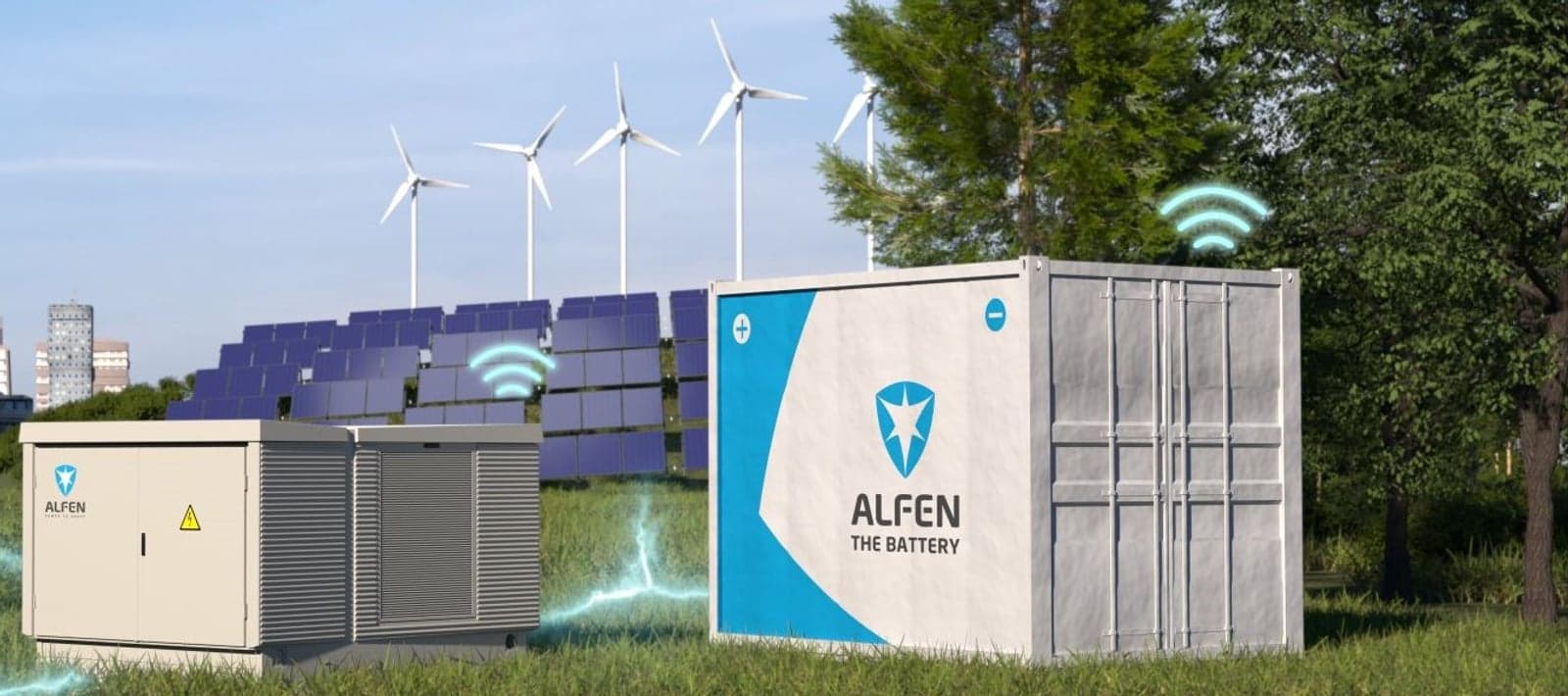
Project from Alfen and SemperPower designed “solve two of the energy transition’s biggest challenges: an unbalanced grid and the unpredictability of renewables”
Dutch energy companies Alfen and SemperPower have unveiled plans for what they claim will be the battery storage system with the largest capacity ever built in the Netherlands.
Project Pollux will be in Vlissingen and both companies claim it will “solve two of the energy transition’s biggest challenges: an unbalanced grid and the unpredictability of renewable energy sources”.
Alfen said in a statement: “With large-scale battery energy storage systems like Project Pollux, it becomes possible to store renewable energy at times of abundance and release it again when the market demands it.”
SemperPower will develop, finance and operate the storage system, while Alfen will manage design, supply, civil works, installation, tests and long-term maintenance.
Latest energy storage news here
Project Pollux is expected to be operational in the fourth quarter of this year.
Michelle Lesh, Alfen's Chief Commercial Officer, said: “Supporting grid challenges caused by increased intermittency from renewables and continued load growth is critical to Europe’s energy transition’s long-term success.
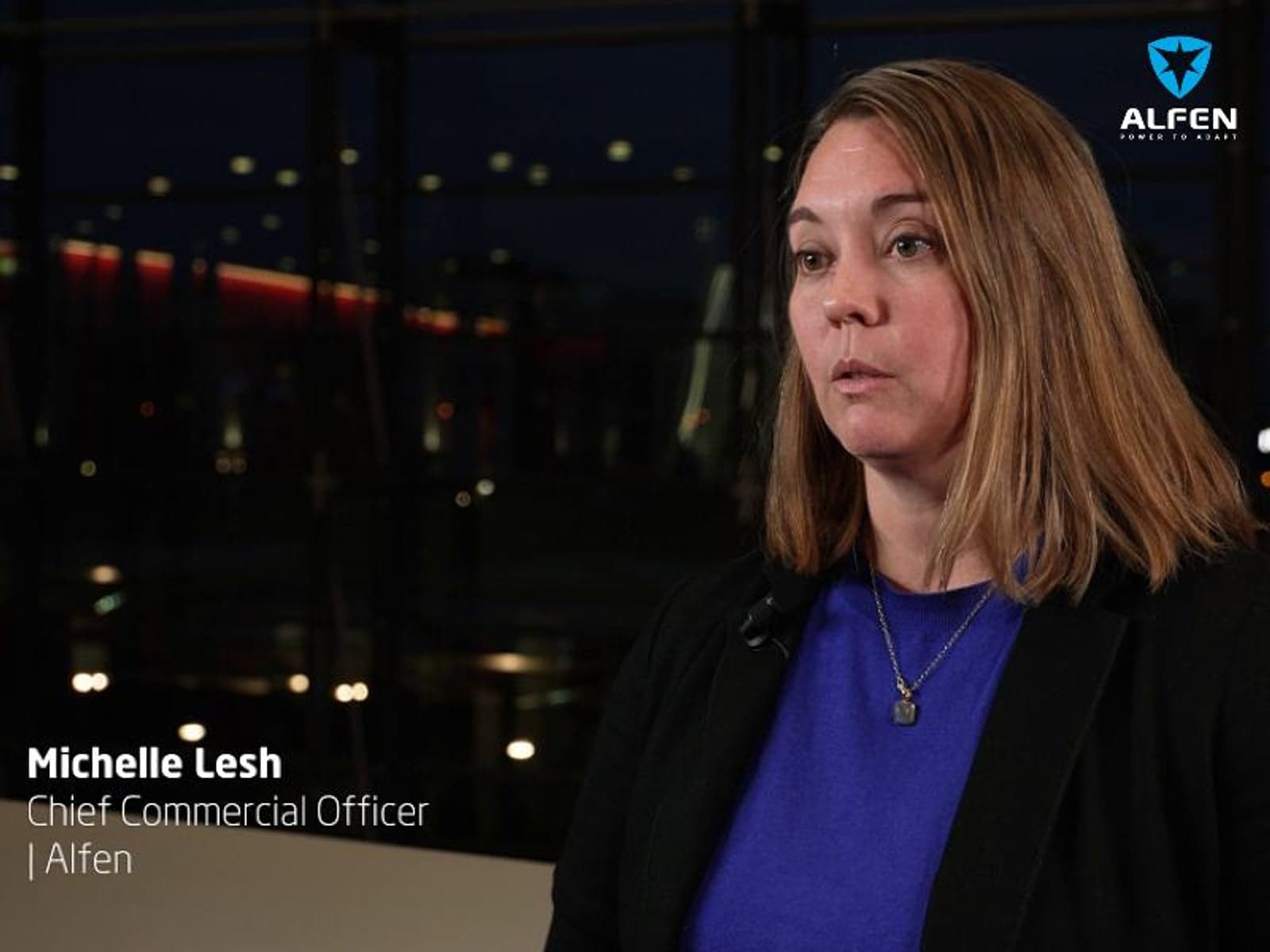
“Battery energy storage systems play a crucial role in making our grid future-proof and effectively manage demands on the grid.”
Watch our exclusive interview with Michelle Lesh
SemperPower chief executive Dennis Schiricke said local system operators "have seen explosive growth in requests to connect battery energy storage systems to their grids".
"With this project we are continuing to respond to the challenges system operators are facing and accelerating the energy transition.”
Want more storage content?
Watch exclusive interview: Overcoming Europe’s system challenges with energy storage
How to decarbonize industrial heat and meet net-zero targets with thermal energy storage