Partner content
Network automation technology and its role in the EU's net zero transition
Guest/partner contributor
Posted on: 16 October 2025
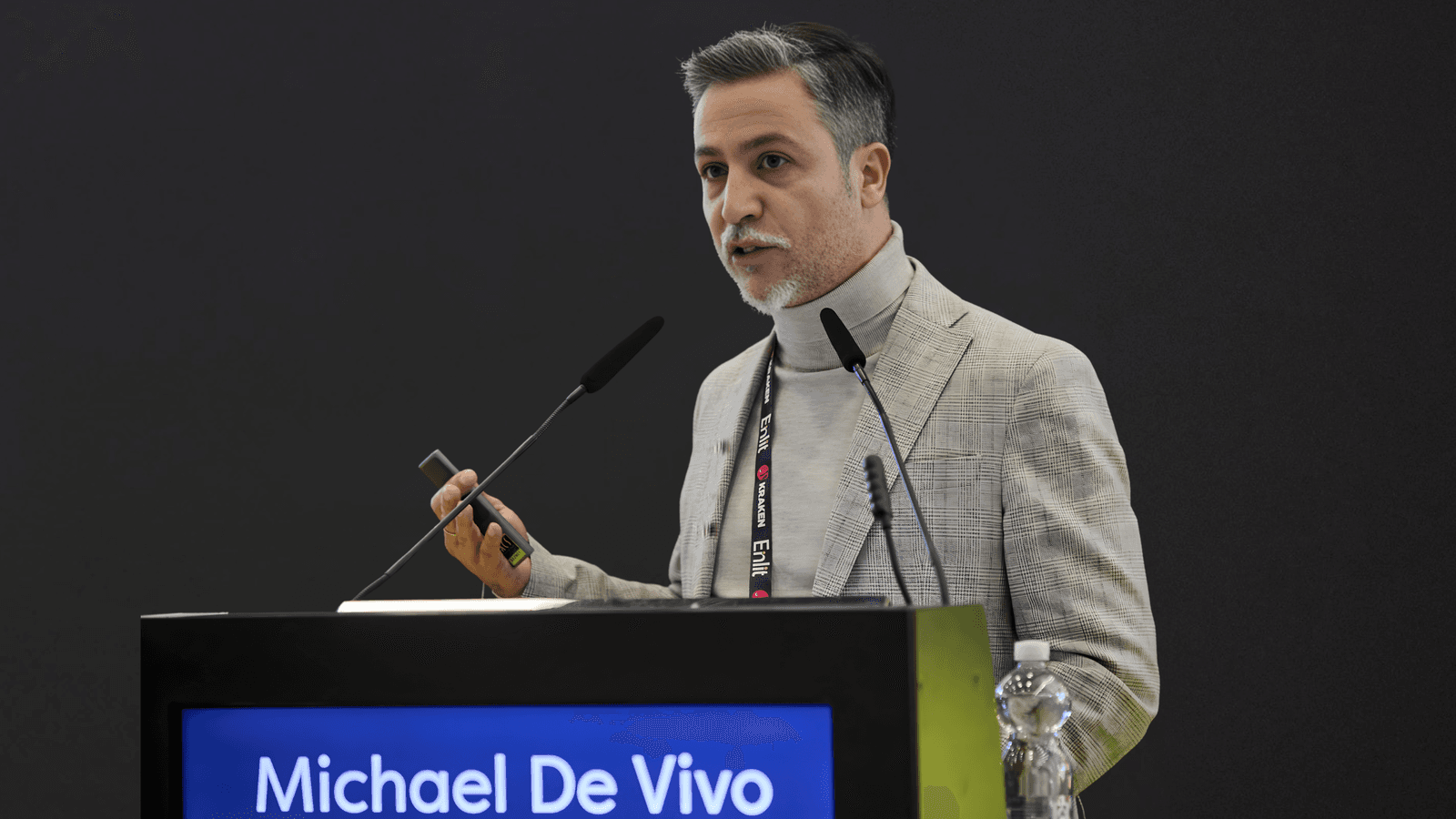
With LV modelling technology Europe’s DSOs can improve planning decisions and accelerate the energy transition, writes Michael De Vivo, Head of Europe at EA Technology.
Electric vehicles (EVs), heat pumps and solar panels are all on the rise, increasing the complexity of LV networks continent-wide.
This, combined with grid topology, network capacity limits, load profiles and asset optimisation, and the challenge becomes how to connect new assets without compromising system performance.
Whilst both Europe and the UK are facing this issue, LV network automation technology, also known as network modelling, has become a staple in Britain’s power industry whilst the EU has been lagging behind.
Network modelling and its benefits
Modelling is all about getting an accurate picture of your network. Rather than relying on inaccurate maps or collections of outdated documents, DSOs have an exact replica of their network online.
With modelling software, DSOs can create a digital twin of their network – a virtual version of the grid on which new buildings and network expansions can be mapped to assess their grid impact. This can help with planning network expansions and checking the viability of new large-scale infrastructure projects, such as housing developments, hospitals or shopping centres.
A digital twin enables faster, more accurate connection assessments, and paints a realistic picture of the impact these new developments may have.
If the impact is too great, then DSOs can invest in improving the infrastructure in the area to accommodate these plans or ask developers to scale back projects to match network capacity. All of this serves to improve transparency with customers, regulators and developers, whilst accelerating the time taken to offramp new projects.
UK as a success story
At VisNet, we’ve been at the forefront of modelling technology with VisNet Connect – a platform that has been supporting UK distribution network operators (DNOs) nationwide with mapping out their grid.
Since launching in 2022, six of the UK’s DNOs have implemented the technology and is now powering over 90% of the UK’s DNOs, supporting the roll out of clean technologies and helping to greenlight large-scale infrastructure projects.
One of the platform’s main features is empowering DSO and DNO customers to self-serve, inputting their own connection requests and checking if their project is viable. If it is, they will also receive a quote, cutting customer waiting times from weeks to minutes.
First to embrace this technology in the UK was Northern Powergrid, which has been using VisNet Connect since 2020 (under the name AutoDesign). Since then, quote times have reduced from an average of 10 working days to just minutes, with relevant power applications handled automatically online through VisNet Connect, replacing the previous manual process almost entirely.
EU use cases
With power grids – especially those spanning large countries – it’s never a one size fits all, and digital twin software can easily adapt to a DSO’s power network and the unique challenges they’re facing.
In high density urban areas, LV modelling plays a key role in mapping out and managing the influx of heat pumps and solar panels being installed, with customers able to streamline lengthy connection requests through online platforms.
In territories with high EV adoption, large-scale charging hubs are taking priority, many of which need to be built in charging black spots. In these areas, where grid capacity may be lacking, land that is suitable for chargers can be easily identified before comprehensive plans are drawn up.
Sunnier climates may have issues with load balancing on their LV networks given the sheer amount of solar, and large-scale solar farms are on the rise continent-wide.
In both large-scale and small-scale scenarios, modelling can be used to estimate grid impact, streamline the connection process, and factor in an influx of communities selling electricity back to the grid - regardless of regulatory confines or requirements.
Conclusion
Europe’s DSOs may all be at different stages of LV visibility, but the building blocks tested in the UK are applicable in every state.
By adopting the tried and tested methods used in the UK, Europe’s DSOs can move from conservative planning to dynamic, data-driven operations. That shift will enable faster connections, a more resilient grid, and quicker deployment of low carbon technologies, bringing the continent closer to its decarbonisation goals.
In the energy transition, we can’t forget that LV networks are the foundation of our power networks. They’re the last-mile of energy delivery, and they play a pivotal role in keeping the lights on.
VisNet is hosting an open trial of its VisNet Connect platform for DSOs across Europe. If you would like to participate, email [email protected], or learn more about VisNet Connect at https://visnet.tech/products/modelling/visnet-connect/
About the Author
Michael De Vivo is a visionary leader with over two decades of experience in the electricity and cleantech sectors. An entrepreneur and results-driven executive, he specialises in leading companies through innovation, transformation, and digitalisation.
He founded and led depsys, a Swiss pioneer in smart grid digitalisation, later acquired by Octopus Energy in 2022. He then headed Kraken Technologies Switzerland, where he led the Network Intelligence business unit.
Michael is now Head of Europe at EA Technology, driving partnerships and M&A activities across the European energy landscape.

Latest content
Partner content
+5
LV network monitoring and creating a future-ready energy network
Europe’s LV network is coming under ever-increasing pressure, with an influx of distributed energy resources increasing the complexity of LV networks continent-wide, writes Michael De Vivo, Head of Europe, EA Technology.
- Guest/partner contributor
- 16/12/2025