Solar 'living lab' to spur development of AI and robotic research
Pamela Largue
Posted on: 31 March 2023
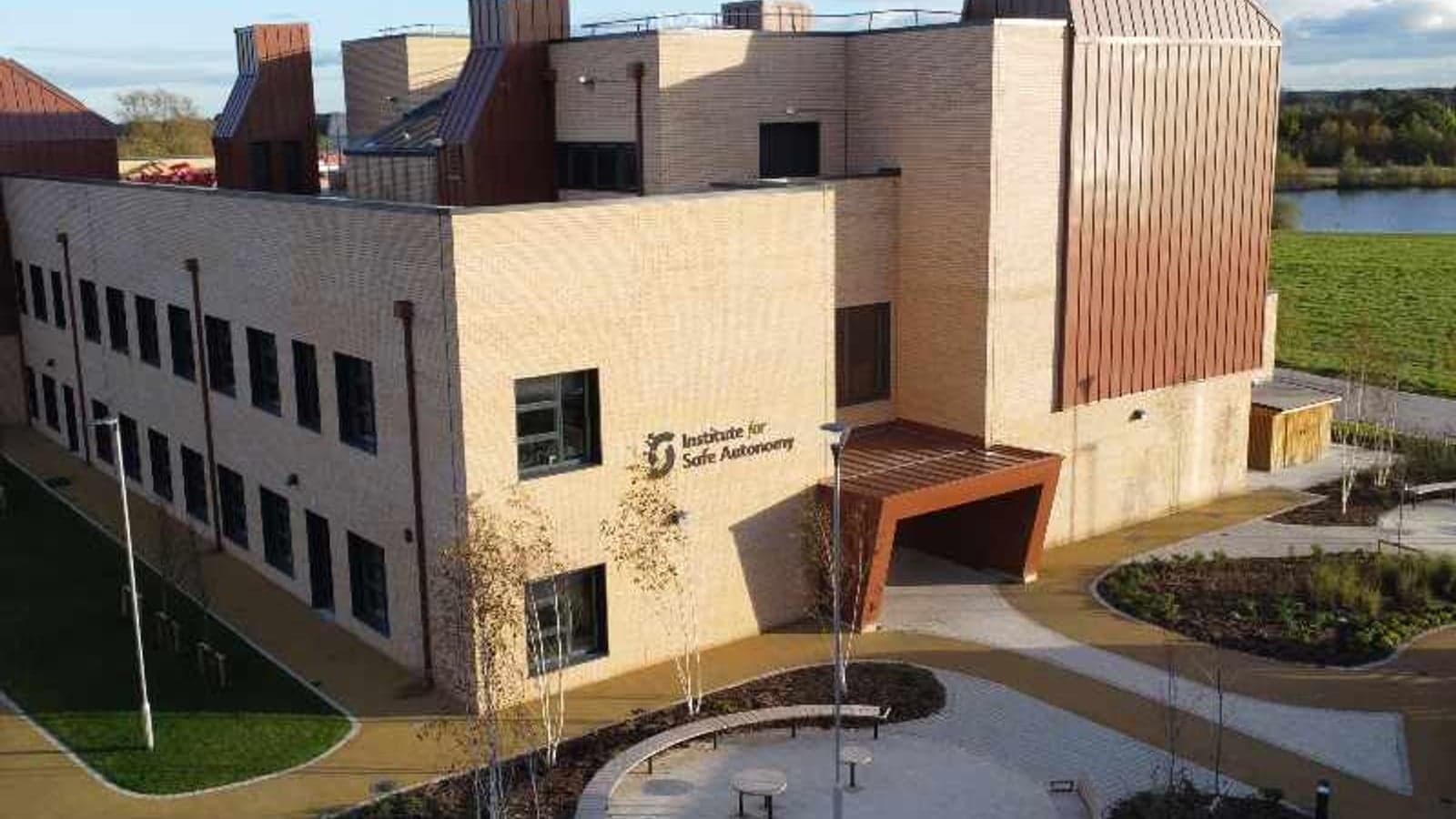
The UK's University of York has appointed Siemens to deliver a solar living lab located at the Institute for Safe Autonomy as part of a £1.5 million research project.
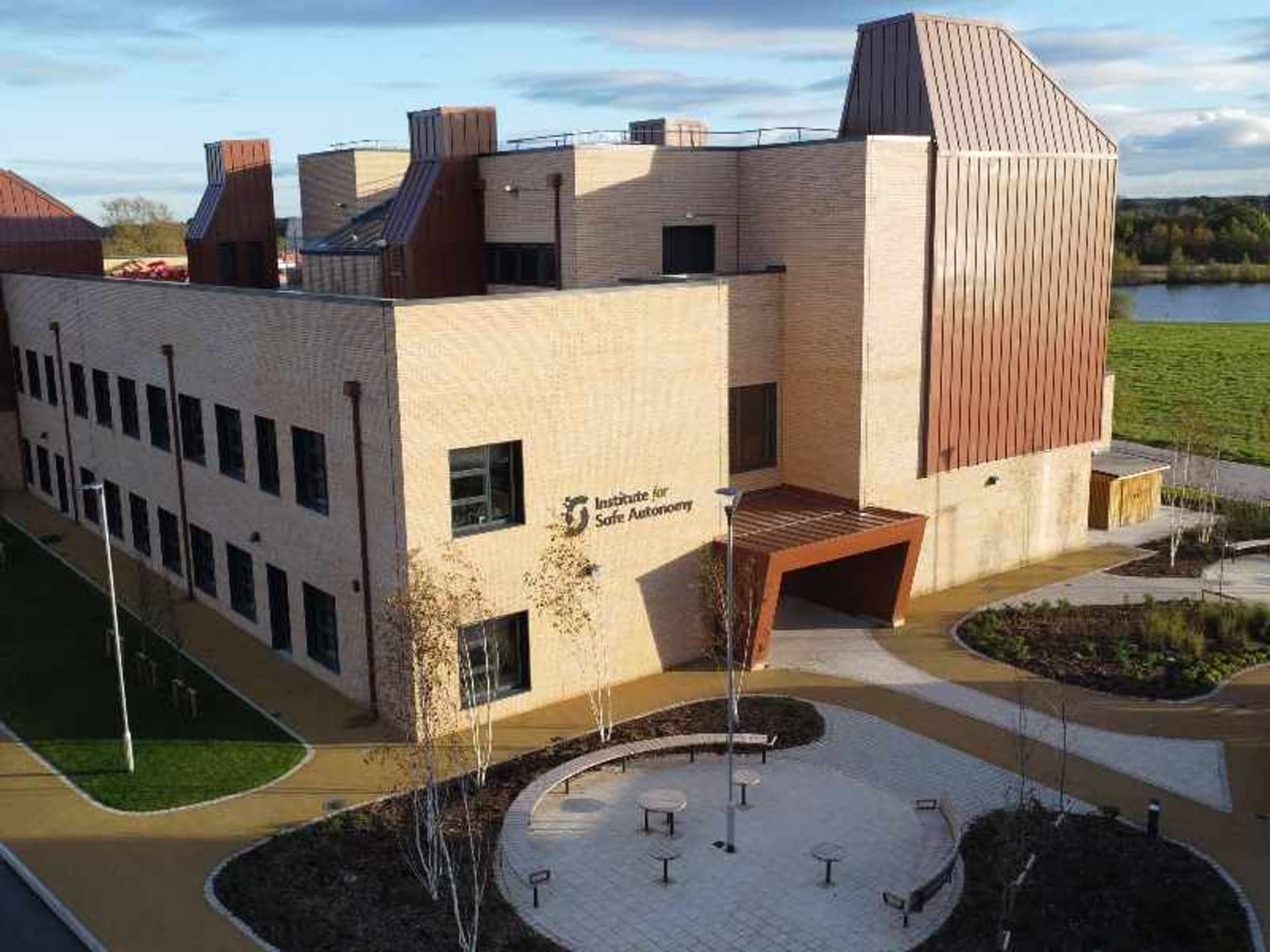
The UK's University of York has appointed Siemens to deliver a solar living lab located at the university’s new Institute for Safe Autonomy as part of a £1.5 million ($1.9m) research project.
The project, funded through the UK Research Partnership Investment Fund, will see a 193kWp solar array delivered to create a ‘living lab’.
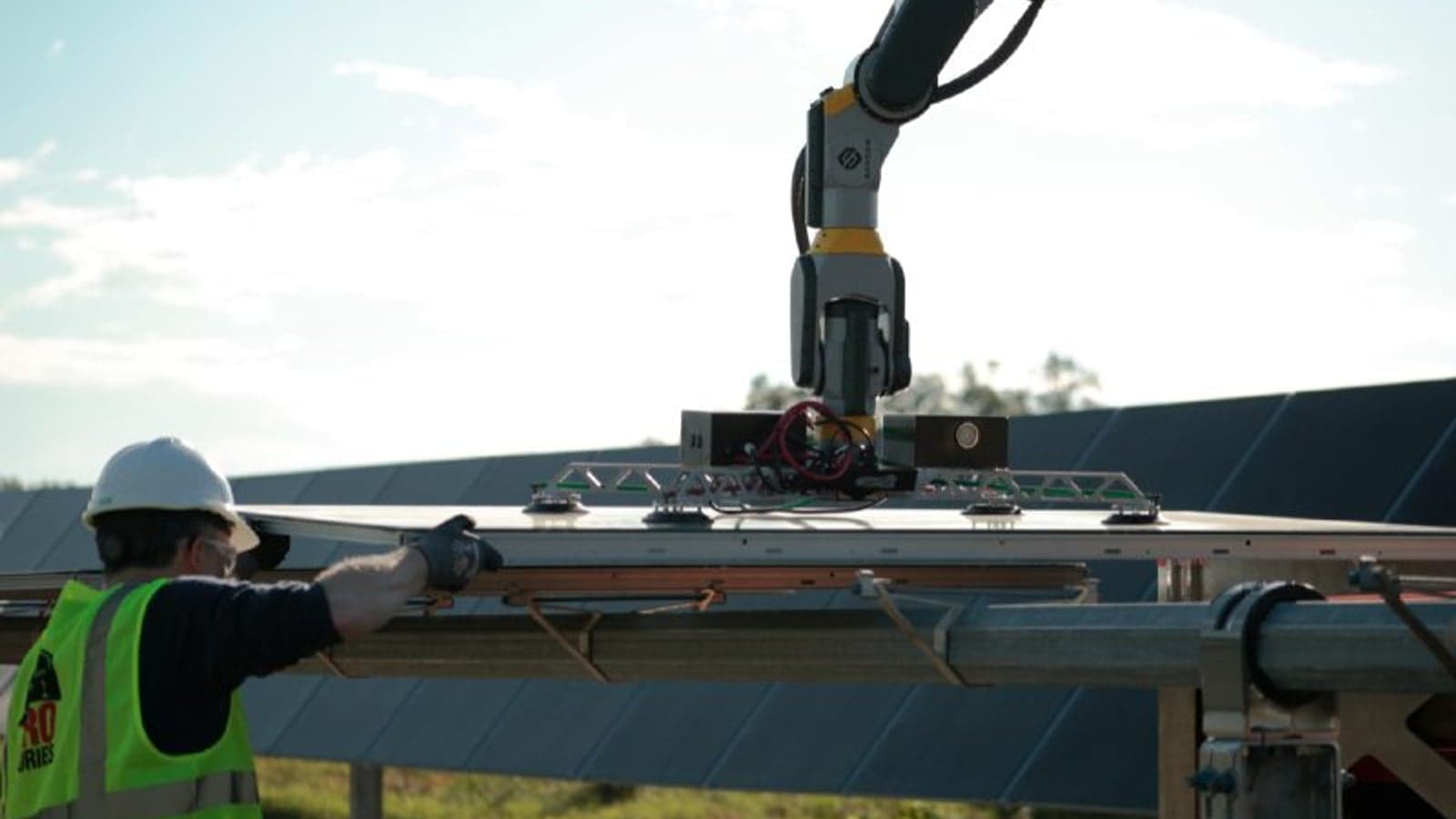
The solar farm will help the institute become energy self-sufficient, as well as enhance its research capabilities to develop and use artificial intelligence and robotic systems to inspect and maintain solar arrays.
Also, the lab will provide insights to landowners and operators of solar farms on how best to integrate robotic technology in the field.
Have you read?
Digital twin for power plant predictive maintenance
Drones twinned with predictive analytics for windfarm solution
“Robotics, autonomous systems and AI have the potential to transform the way we live, travel and work in the future. Integrating them with the production of renewable energy will ultimately play a key role in the journey towards net zero,” said Professor Miles Elsden, Director of the Institute for Safe Autonomy at the University of York.
The solar farm
The farm will span more than 1,400 square metres and, according to Siemens, will consist of a range of different panel configurations including static ground installations and sun-tracking arrays.
Solar panels will also be deployed on the side of the institute’s building and the rooftop to maximize light exposure.
Once the design phase is complete, specialist installer Lynx will carry out the installation with the aim of completion by July this year.
Patrick Reilly-O’Donnell, head of project execution at Siemens, suggested that the institute will provide an effective research ecosystem and ultimately promote an understanding of how to deploy autonomous technologies in a way that maximises efficiency.
The Institute for Safe Autonomy combines several test spaces and experimental laboratories to develop robotics and connected autonomous systems, emphasising safe, ethical research principles.