New 11 centre to protect grids and distributed renewables
Power Engineering International
Posted on: 26 April 2024
Iowa State University will establish a new 11 centre focused on protecting power grids that rely on renewable energy sources.

The US Department of Energy (DOE) has awarded a $2.5 million grant to Iowa State University engineers to establish a new cybersecurity centre focused on protecting power grids that rely on renewable energy sources.
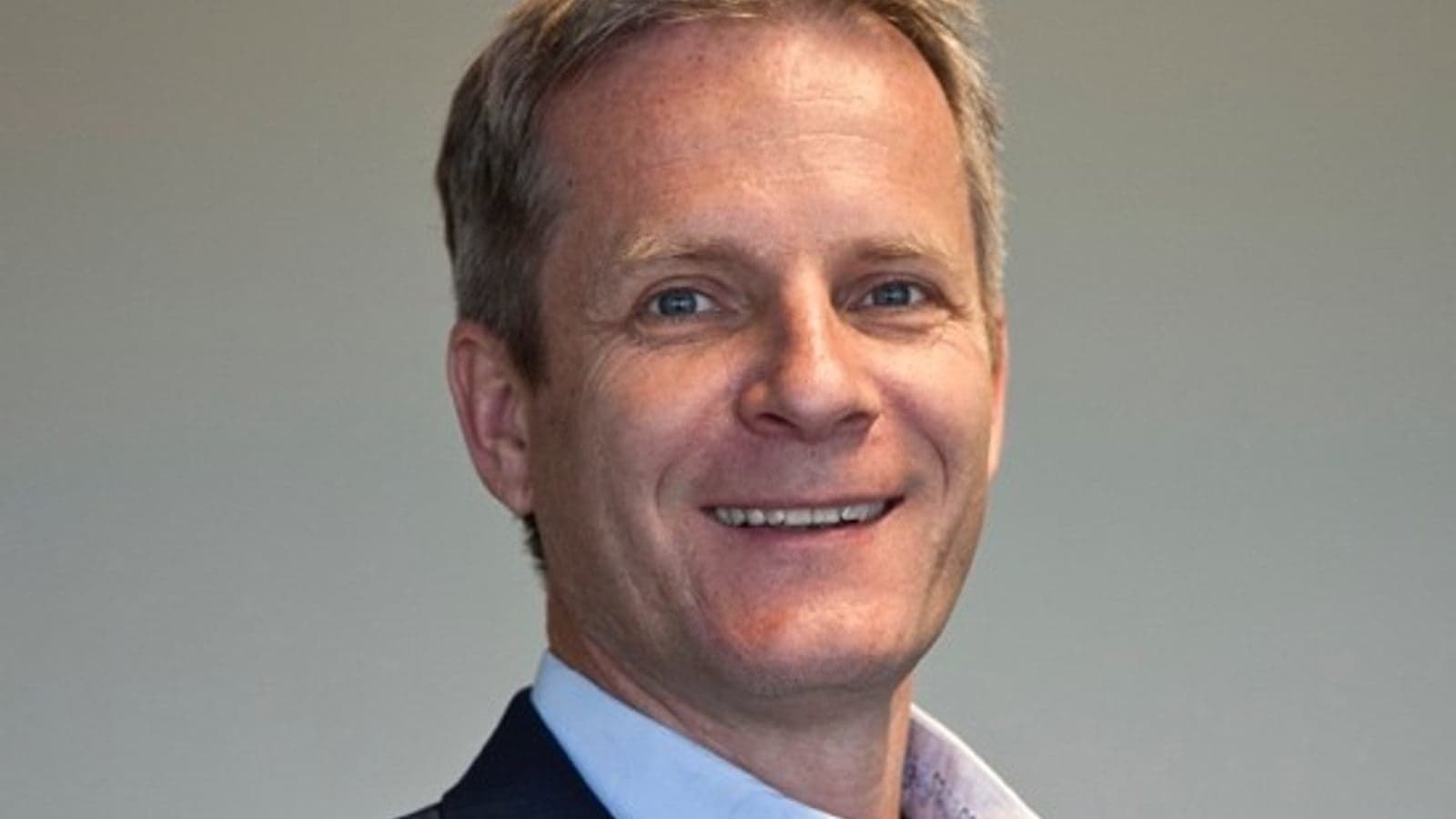
The project, led by Iowa State University’s Manimaran Govindarasu, will lead to the creation of the Center for Cybersecurity and Resiliency of DERs and Microgrids-integrated Distribution Systems (CyDERMS).
The centre will have two main goals.
First, centre researchers will protect power grids containing wind and solar farms and microgrids by developing robust computer algorithms and other tools to detect and mitigate cyberattacks and system faults in real time. The researchers will use artificial intelligence and machine learning tools to help detect grid problems and malicious activities.
Have you read?
Harnessing AI in renewables, power and nuclear
Digitalisation advancing in offshore energy – survey
Secondly, they’ll strengthen the grid industry’s cybersecurity workforce by developing curricular modules, capstone design projects, cyber defense competitions plus hands-on workshops for industry and utility employees, including in rural areas.
The project is crucial as renewable energy sources like wind and solar farms become increasingly integrated into the nation's power grid and distributed energy resources (DERs), along with microgrids, introduce new vulnerabilities as they connect to the internet.
“This will be a university-based cybersecurity research centre for renewable energy on the distribution grid,” Govindarasu said. “We’ll work with local industry in Iowa, Minnesota, Illinois and Michigan to understand and respond to the needs of local industry. That’s the emphasis here.”
Also of interest: Hydropower cybersecurity training course launches at Texas university
“There are controllers and inverters all over the place,” Govindarasu said. “There are wind farms and rooftop solar, community solar and utility solar. The opportunities to attack are huge compared to a conventional grid.”
CyDERMS will collaborate with researchers from other universities and national labs, along with industry leaders in the energy sector.
This project is part of a larger DOE initiative that awarded $15 million in grants to establish six university-based cybersecurity centres across the country, each addressing regional needs.
"This investment in university-based cybersecurity centres will allow us to grow the US cyber workforce and build the expertise needed to address evolving cyber threats to our nation's energy systems," said Puesh M. Kumar, director of the DOE's Office of Cybersecurity, Energy Security and Emergency Response.
Related tags
Latest content
+4
Webinar Recording: Next-Generation technologies for sustainable energy islands
We will explore next-generation microgrids with Charlie van Dijl, while Maarten Berkhout and Joep Breuer will share their insights on the development of tidal energy and airborne wind energy or kite power. We will also take deep dive into hydrogen concepts for islands.
- Enlit Editorial Team
- 15/06/2022