New project spotlight: Industry decarbonisation with DESIRE and SYRIUS
Jonathan Spencer Jones
Posted on: 15 August 2025
The decarbonisation of industry is one of the top challenges facing the energy sector with the diversity of industries and solutions that are required.
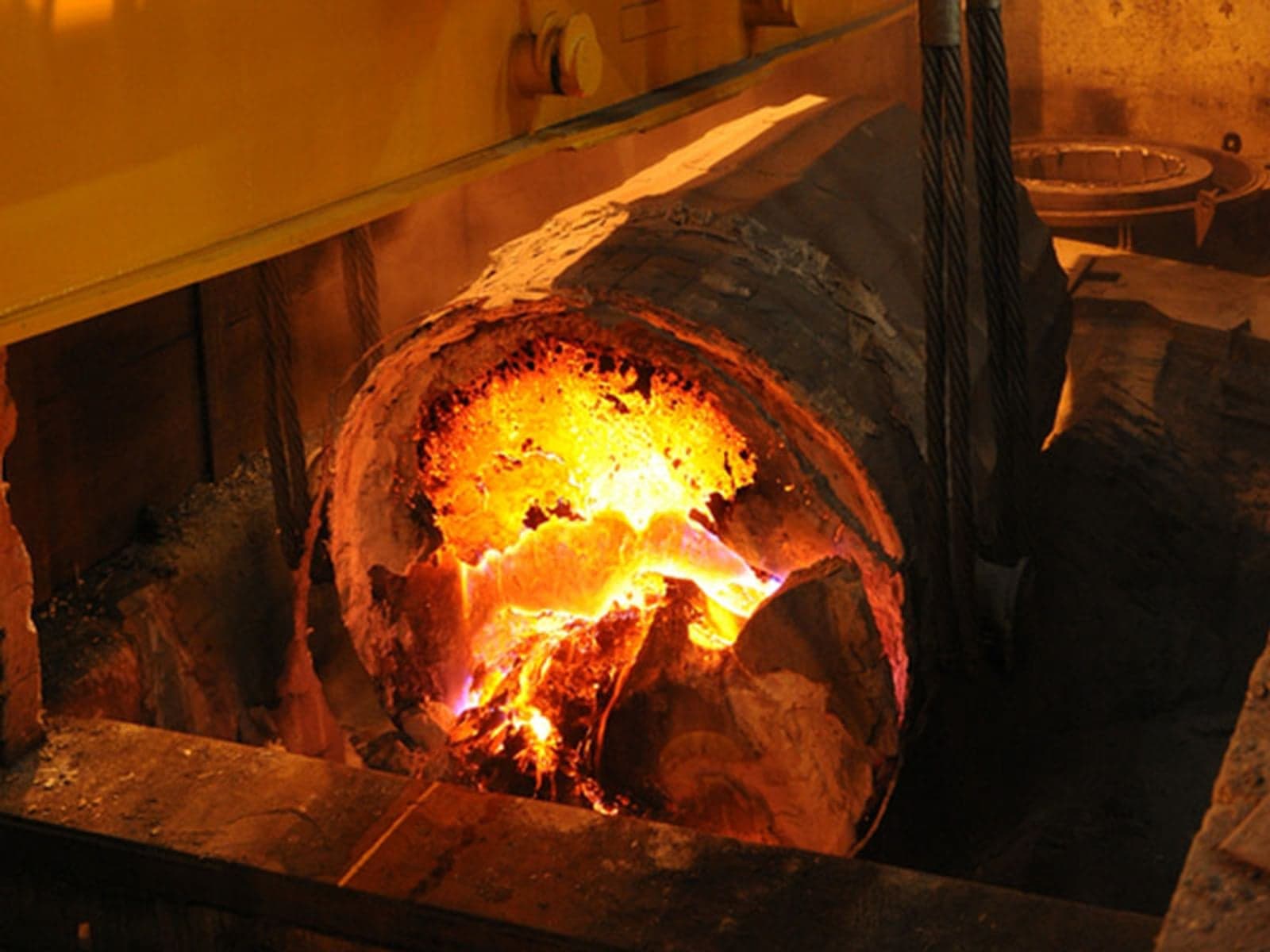
The decarbonisation of industry is one of the top challenges facing the energy sector with the diversity of industries and solutions that are required.
In Europe industry accounts for around 20% of carbon emissions and therefore its decarbonisation is key for the reaching of net zero, with electrification with net zero technologies the catalyst for its delivery.
Besides reducing exposure to supply and price volatility and therefore improving the region’s energy sovereignty, this decarbonisation also should deliver economic benefits in helping to maintain the industry as a competitive force globally
Given the diversity of industry a range of solutions are required, sone general and others more specific. Two such solutions under investigation are the EU supported DESIRE and SYRIUS initiatives.
Also of interest:
Europe Energy Briefs: Decarbonisation of Europe’s gas system with hydrogen
DESIRE – decarbonising energy intensive industries with renewable synthetic fuels
The future energy mix will include a variety of fuels of which e-fuels, allowing the storage of excess renewable energy as high energy density chemical compounds, are ideal candidates for the energy transition in energy intensive industries.
With support from the Marie Skłodowska-Curie Actions programme, the DESIRE project is aimed to develop predictive tools, including mathematical models and experimental techniques able to describe the combustion of e-fuels.
These tools can then assist engineers in designing new technologies and modifying existing equipment to use these fuels effectively.
The project also intends to train 15 young scientists in combustion science, engineering and computer modelling to support the decarbonisation of energy intensive industries.
Such a broad spectrum of training is currently lacking due to the fragmentation of the emerging field of sustainable combustion research across Europe – indeed, the need, nature and magnitude of these new skills is only now emerging.
DESIRE started on 1 January 2025 and runs for four years with €4 million in funding from the EU.
The coordinator is the Politecnico di Milano with the consortium comprised of partners from across the transport, chemicals and power technology sectors including Rolls-Royce, Air Liquide and Engie.
SYRIUS - Hydrogen integration and circular use in the steelmaking process
With the steel sector accounting for around 9% of global CO2 emissions and consuming an average 5.2MWh of primary energy per tonne of steel, there is a degree of urgency to address these challenges.
The SYRIUS project is aimed to tackle both by integrating a 4.2MWe solid oxide electrolysis cell at the electric arc furnace plant at the Acciai Speciali Terni steel plant in Terni, Italy, to produce 100kg/hour of green hydrogen for supply to a 280t/hour reheating furnace. This should reduce the CO2 emissions by up to 5,600t/year during the project and potentially up to 100% for full decarbonisation with full hydrogen feeding in the furnace.
Further, by generating steam through furnace off-gas heat recovery using by-product oxygen recovery in the furnace, potential additional CO2 savings could reach 430t/year. Along with analysing options for water recycling, SYRIUS seeks to minimise the external energy consumption and enhance industrial circularity.
With a viable business case centred on process integration, SYRIUS aims to enhance market opportunities in the short to medium term by driving industrial green hydrogen costs below €2.2/kg, surpassing the innovation agenda targets for 2030.
With a first-of-its-kind TRL7 plant, ready to be scaled up, extended to other industries and replicated globally, SYRIUS is anticipated to play a pivotal role in enhancing the circularity of the EU steel sector.
SYRIUS launched on 1 January 2025 and runs for 54 months to 30 June 2029 with coordination by the Italian project management company EU Core Consulting.