New project spotlight: SAFErGrid and GridForLoads to advance new grid solutions
Jonathan Spencer Jones
Posted on: 28 May 2025
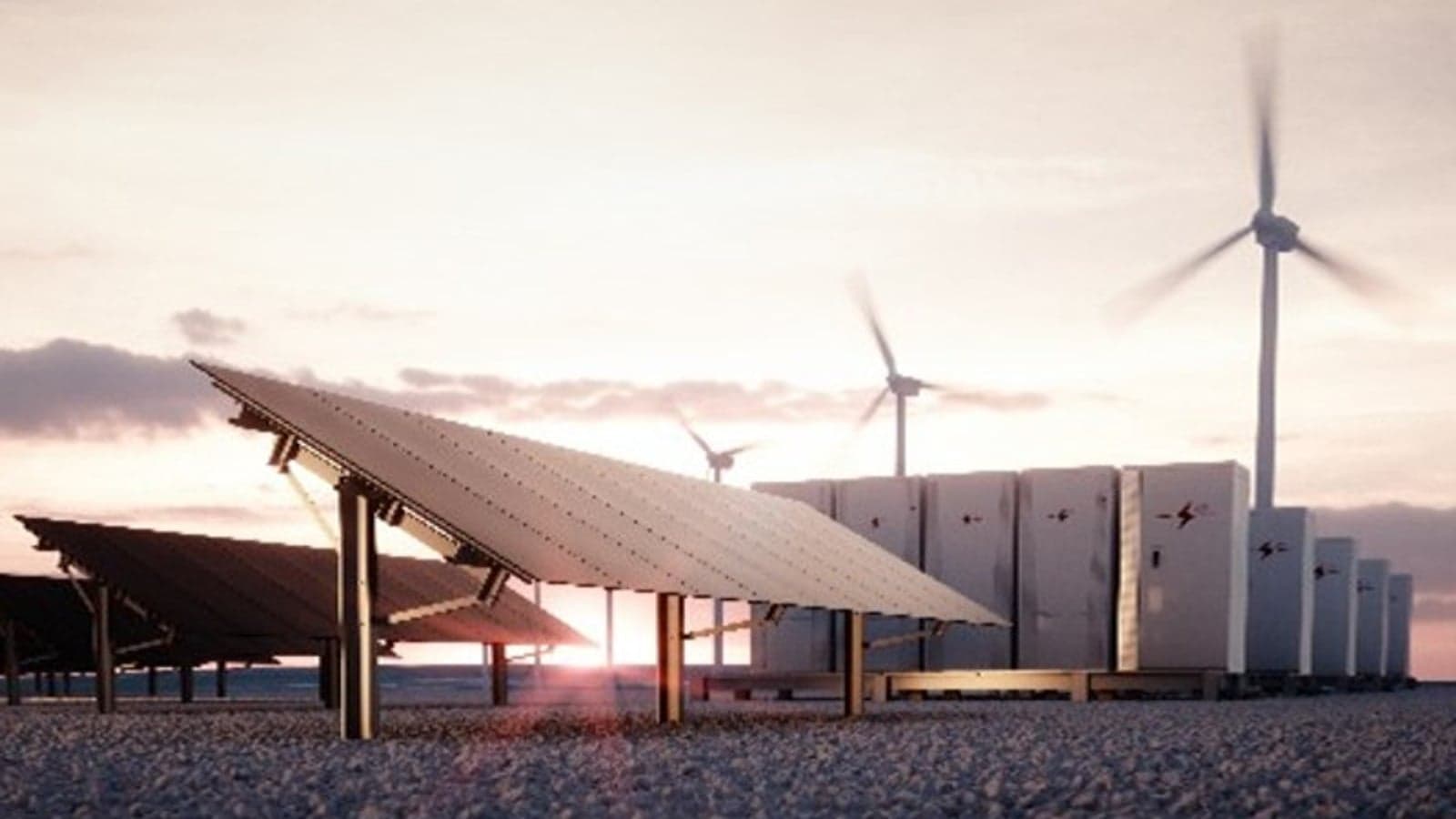
Two new projects, SAFErGrid and GridForLoads, have been launched to develop solutions for the evolving grids with increasing penetration of renewable energies.
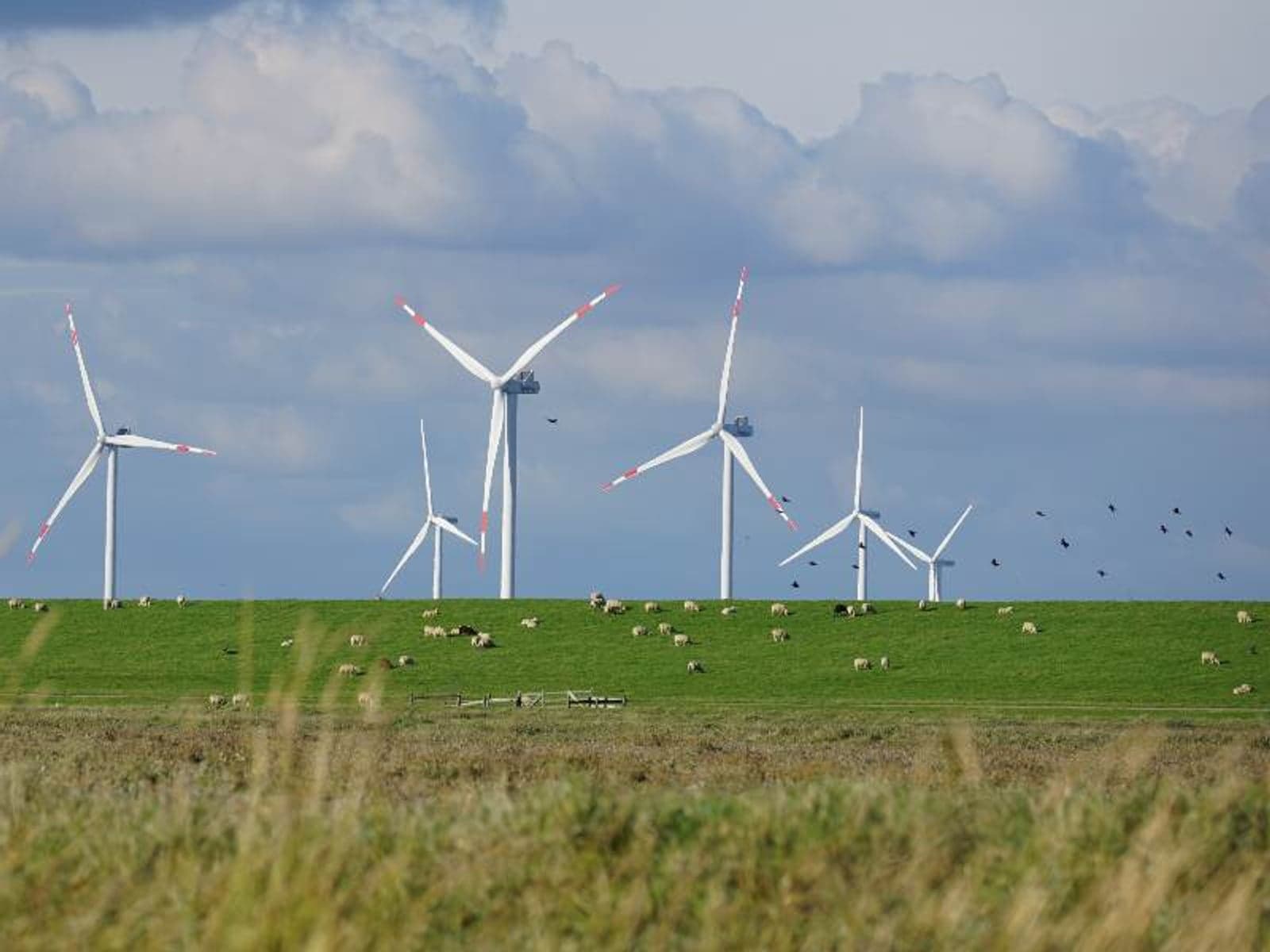
Two new projects, SAFErGrid and GridForLoads, have been launched to develop solutions for the evolving grids with increasing penetration of renewable energies.
The transition to renewable energies in the grid is bringing new challenges for operators in managing their grids.
These arise from both the technology aspect, with renewable energy systems being inverter based to convert the DC generation to AC, but also from the nature of the renewables themselves with the ability for decentralisation with small scale units and that solar and wind generation are weather dependent and intermittent.
SAFErGrid – Store-and-forward energy grid
The transition to inverter based generation is pushing power systems to the limits. Although having been applied for more than 100 years, the rigid coupling of the power system infrastructure to a global synchronous 50Hz frequency is now turning into a liability, making a fundamental paradigm shift inevitable.
Also of interest
Europe Energy Briefs: A push for stronger action on the region’s grids
The goal of the SAFErGrid project is the exploration, conceptualisation and evaluation of a radically new theory, architecture and operational principle for power systems.
The aim is to go beyond the synchronous balance of power and to replace it with an asynchronous balance leveraging established role models from the Internet and telecommunications domain, i.e. through the decoupling and asynchronous operation of independent sub-grids based on store-and-forward balancing of energy.
Networked control, the evolution of power electronics, and the availability of energy storage are the enabling technologies for this approach.
The complexity of the project, which is being coordinated by the RWTH Aachen University and undertaken with Aalborg University, is indicated in its length, starting in April 2025 and due to run through March 2031.
Its €11.17 million ($12.7 million) budget is fully funded by the European Research Council.
GridForLoads – Grid forming loads
Being weather dependent, the output of solar and wind energy cannot easily be adjusted to balance the grid, giving rise to challenges in ensuring stability and meeting energy demands.
The flexibility can be provided by operating these non-controllable renewables below the point of maximum power generation – with the associated loss of generation – using energy storage or demand management.
But in addition to power balancing, flexibility also is required to provide grid services and while this is traditionally provided from the generation side, GridForLoads is focused on providing these functionalities from the loads, thus developing the concept of ‘grid forming loads’ and enabling the renewable generators to operate at the point of maximum power availability.
The project objectives include the concept definition, selection of loads, development of controllers, implementation in relevant applications including electrical vehicle chargers, pump drives and railway power systems, systems studies and techno-economic and environmental studies on the impact.
GridForLoads launched on 1 January 2025 and runs for 42 months to 30 June 2028. The project consortium with seven partners is coordinated by the Polytechnic University of Catalonia.
Related tags
Latest content
+9
From grid to green: How project AGISTIN is transforming industrial energy use
The AGISTIN (Advanced Grid Interfaces for innovative STorage Integration) project is supporting industrial energy users to rapidly deploy renewable energy coupled with on-site energy storage.
- Guest/partner contributor
- 20/03/2025