Next UK government urged to reverse energy transition ‘drift’
Kelvin Ross
Posted on: 8 January 2024
UK Energy Research Centre says energy 'U-turns and confused messaging’ are putting net zero transition targets at risk.
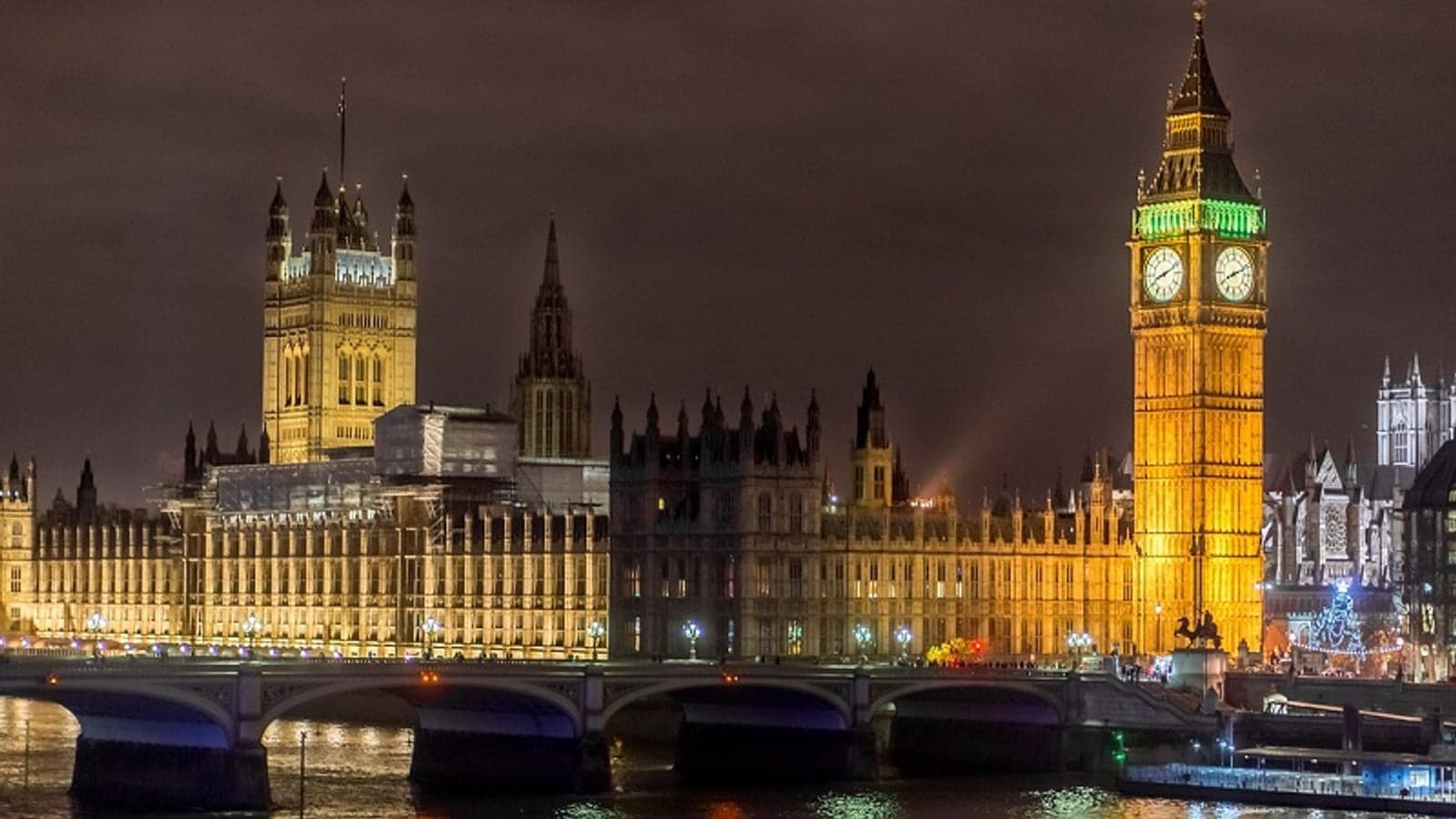
UK Energy Research Centre says energy 'U-turns and confused messaging’ are putting net zero targets at risk
The UK Energy Research Centre (UKERC) has issued a wish-list to British politicians of the urgent measures it believes are needed to deliver the energy transition.
It comes as UK Prime Minister Rishi Sunak has said his “working assumption” is that there will be a General Election in the second half of 2024, with experienced pundits pointing to a date in November.
Latest research suggests that the current Conservative government would lose an election, however UKERC says that the country’s energy policy priorities must remain the same for whoever comes out on top on polling day.
UKERC is funded by the UK Research and Innovation Energy Programme and carries out interdisciplinary research into sustainable future energy systems.
In its annual Review of Energy Policy 2023, it says that “while 2050 may seem distant, without an immediate step-change in implementation, the UK will miss its 2030 target to reduce greenhouse gas emissions by 68% and be off track for the mid-century goal of net zero”.
Exclusive: Why Europe and US have net zero lessons to share. Read now
Emma Pinchbeck: driven by a passion for people in the energy transition
It added that the expected term of the next government will reach most of the way to 2030 and the new government must “move quickly to step up to the delivery challenge”.
UKERC co-director Peter Taylor said: “Over the past year, national energy priorities have appeared to drift away from the urgency of climate action, with policy U-turns and confused messaging.”
Much of UKERC’s required action involves the delivery of new and expanded infrastructure to generate, deliver and make use of renewable energy and other low-carbon energy sources.
UK energy action plan
This infrastructure can take years to develop, involves billions of pounds of investment but will also help create jobs and economic benefits. Among UKERC’s most urgent recommendations are:
Rapid investment in electricity networks
UKERC’s review stresses that the next government needs to make significant changes to the planning system to allow network capacity to be built more quickly.
It says 2023 saw a growing list of proposals and consultations around strategic planning, “but with slow progress and renewable developers arguing that impediments to development remain”.
“Urgent action is needed to ensure we can transport renewable energy from where it is generated to where it is needed, and that distribution systems are planned to accommodate heat pumps and electric vehicle uptake.”
Unlocking local energy
Maximising delivery of local energy solutions could provide easy gains for an incoming government, argues UKERC. These include council-led insulation programmes and the development of heat networks. UKERC says that the UK government “has not yet fully recognised the importance of local authorities in delivering net zero.
Unlocking the potential role of local authorities requires increasing local capacity through longer-term, stable funding, clarity around division of responsibilities at local and regional levels, and a clear framework for local and regional energy planning.”
Focusing on low carbon security rather than oil and gas
UKERC says that instead of expanding North Sea oil and gas exploration and production, the real challenge for any government “will be managing the technical viability and economic impacts of the network as we switch from gas to low carbon energy. Failure to manage this will undermine the resilience of the system and could lead to sustained high energy prices into the future.”
Pushing heating up the agenda
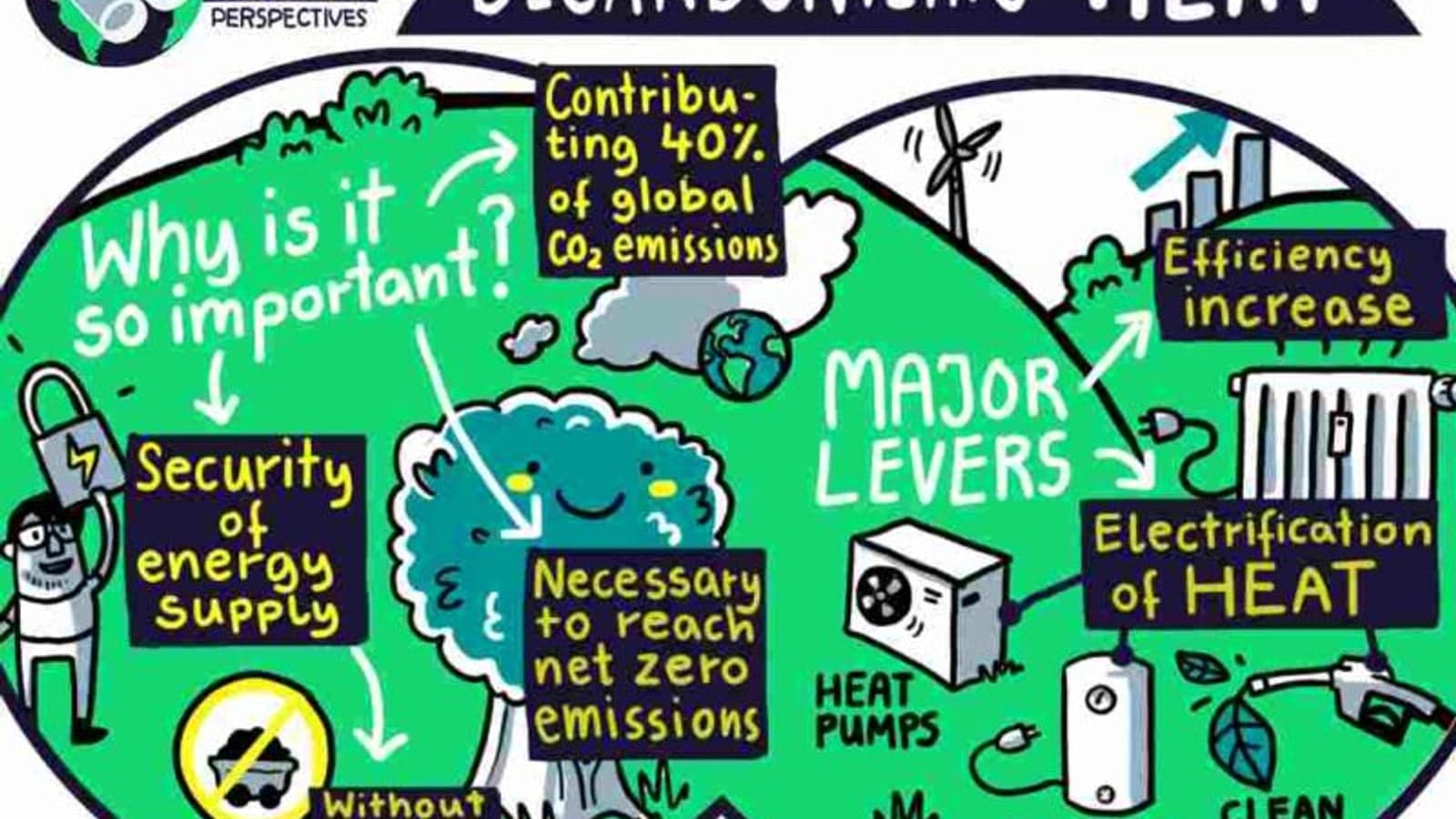
UKERC points out that over the last decade, energy efficiency installations have declined from two million to 200,000 per year and the UK is at the bottom of the table for European heat pump adoption. This in turn is delaying a ban on new gas boilers and has resulted in consumer uncertainty.
Have you read: Decarbonising heating and cooling: The challenge of the decade?
“There is an urgent need for the future government to tackle these challenges – with continued and expanded upfront finance for heat pump installation, and a prompt strategic decision on the role of hydrogen in heating.”
Linking environmental protection and energy generation
With plans to vastly increase offshore wind and solar by 2030, UKERC says the “tensions, trade-offs and co-benefits relating to energy generation and the environment must be fully explored”.
“Biodiversity net gain is now a core part of UK strategy, but as nature and natural capital will be greatly influenced by changes in land-use and its management, policy must be strengthened to ensure that the environment is protected, with more funding to explore the overall impacts of renewable energy technologies.”