Nokia to update mission-critical communications for E.ON
Yusuf Latief
Posted on: 31 October 2025
German energy giant says modernising its network and harmonising technical infrastructure is crucial.
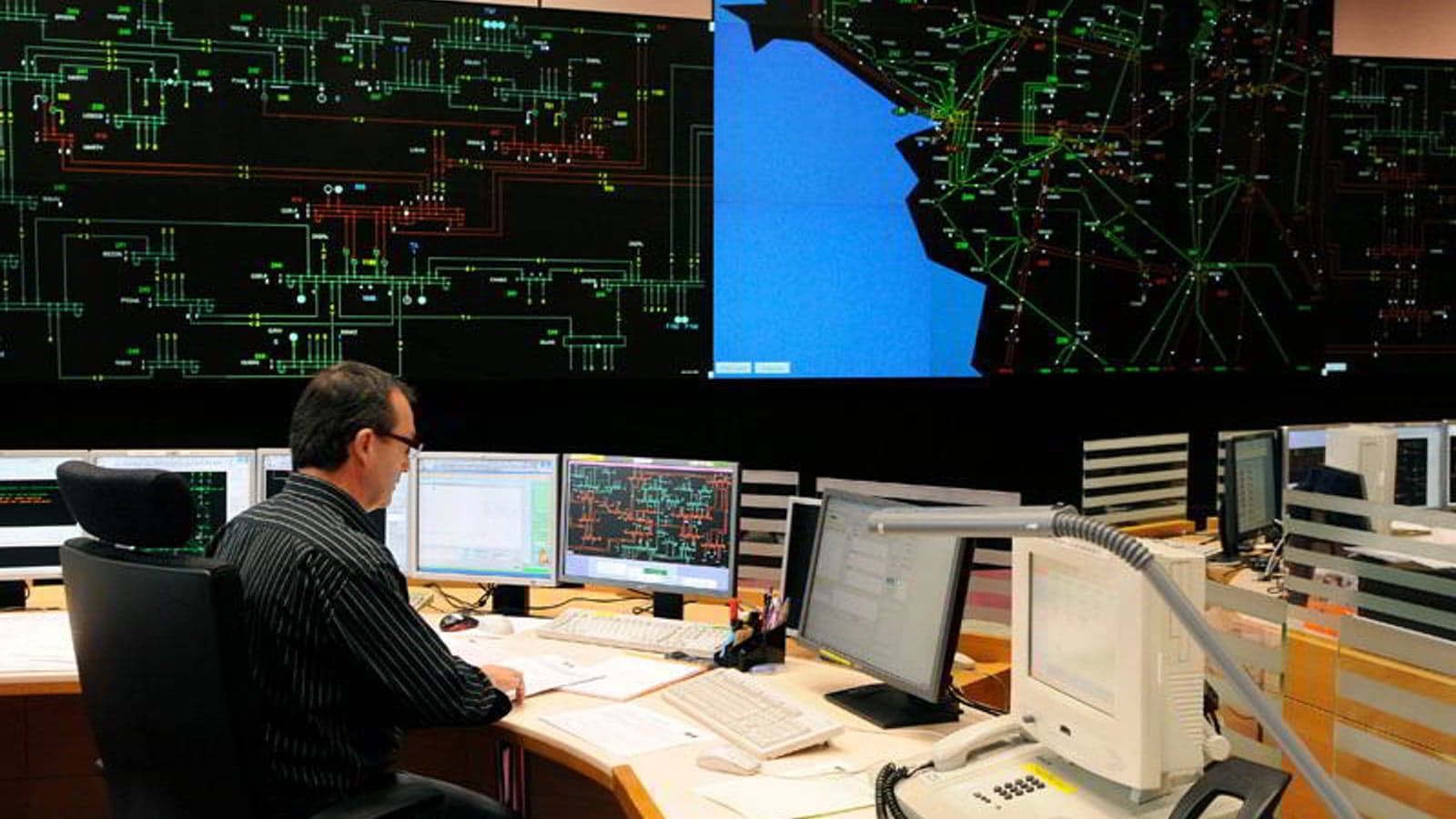
Telecommunications major Nokia is to modernise the mission-critical communications infrastructure of German energy company E.ON.
Under an E.ON group-wide frame contract, Nokia will deliver a full suite of next-generation networking solutions, including IP routing and switching, optical transport, fixed broadband access and Nokia’s range of network automation solutions.
The telecommunications renewal starts across Germany and creates an optimised, highly-automated telecommunications network for DSOs, which can be a model for other E.ON affiliates in Europe.
E.ON plays a key role in Germany’s energy transition. Its distribution grid already connects 1.4 million renewable energy plants, making the performance, flexibility and sustainability of its communications infrastructure critical.
A key pillar, among others, is the IP, optical and fixed access part of its DSO telecommunications network.
With the new Nokia-powered network and its chipsets, Nokia says E.ON will benefit from significantly reduced energy consumption of up to 50% compared to its existing IP and optical infrastructure, while improving scalability, operational flexibility, responsiveness, and service continuity.
The new infrastructure, they add, will enhance both security and resilience, aligning with KRITIS (critical infrastructure) requirements and increasing E.ON’s ability to respond quickly to service incidents without interruption. Additionally, it lays the foundation for future advancements, including support for quantum-safe networks.
Commenting in a release was Lars Ramelow, E.ON's Head of Supply Chain for Grid Communication Infrastructure: “Modernising our network and harmonising our technical infrastructure is a crucial move to ensure E.ON Group continues to deliver secure, reliable and energy-efficient services across Europe.
“We’re investing in a next-generation telecommunications network that is ready for future demands operationally, technologically and environmentally.”
Eleftherios Papadopoulos, Nokia's managing director for Germany, added: “Our long-standing relationship with E.ON reflects a shared commitment to building secure, efficient and future-ready networks.
“What sets this project apart is the ability to deliver across all key domains as a single vendor.
"That end-to-end capability, combined with high-quality platforms and proven experience in mission-critical environments and telecommunications, perfectly positions us to enable E.ON to digitise its grids in Germany.”
Have you read?
Turning metering data into grid intelligence
How utilities are balancing budgets between innovation and AI
Germany’s slow grid digitalisation
According to Nokia, the contract marks a significant development for E.ON, which has been looking to advance its digital transformation.
Ramelow said: “Nokia is a trusted long-term supplier, and its ability to support our network makes it the right choice as we scale our digital transformation.”
Additionally, it marks a significant development for Germany, which becomes the first country to deploy a high-efficiency telecommunications network for DSOs, designed to reduce energy consumption by up to 50% while boosting grid security and resilience.
Germany however has been experiencing a slow move towards digitalisation and smart grids, for which advanced telecommunications are crucial, impacted in part by slow uptake of smart meters.
According to a February 2025 report by dena, Germany’s energy agency, the cost-efficient and reliable implementation of smart grids requires the fundamental transformation of the energy sector, including the technical, regulatory and operational framework.
Specifically, says the report Smart Grids in Germany: Current Situation, challenges that need to be addressed within the coming years include the application of AI in system operation, overall improvements and digitalisation of system operators’ workflows, and clarification of appropriate grid charges to incentivise flexibility.
To solve these challenges, the report calls for the optimisation of grid operators’ IT infrastructures in coming years for a future-proof design for (variable) grid fees; provision of the legal prerequisites for unlocking most benefits a smart grid has to offer, such as demand side flexibility and grid integration of decentralised assets; and grid data collection by grid operators needs to lay the foundation for a functional integration of AI into smart grid operation.