Novel green hydrogen reactor technology launched in Australia
Pamela Largue
Posted on: 25 June 2025
In Australia| the SHARP projet has been launched to test photocatalytic water splitting for the production of green hydrogen.
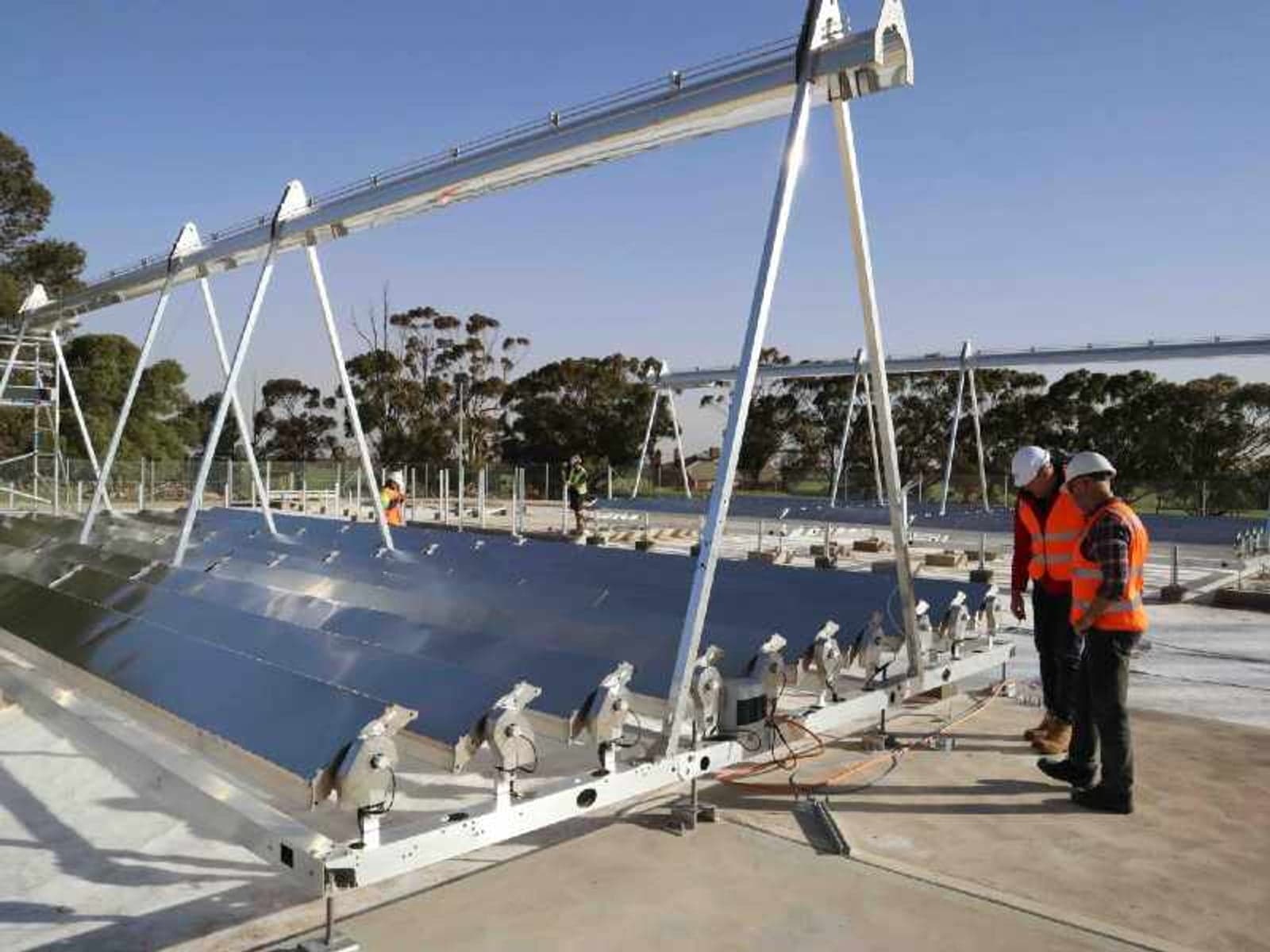
In Adelaide, Australia, Sparc Hydrogen has announced the official launch of the Sparc Hydrogen Advanced Research Pilot (SHARP) to test photocatalytic water splitting for the production of green hydrogen.
Photocatalytic water splitting (PWS), often referred to as direct solar-to-hydrogen technology, uses the sun’s energy to extract hydrogen from water without the need for electrolysers powered by electricity.
The pilot aims to advance development of Sparc Hydrogen’s patented PWS reactor technology in a real-world setting, as well as improve the economics of producing green hydrogen using PWS.
The pioneering project is a joint venture between Fortescue, Sparc Technologies and the University of Adelaide, with research led by Professor Greg Metha.
Have you read?
ARENA announces funding for lower-emissions steel pilot in Australia
Australia bets big on renewables – but can the grid cope?
Professor Metha, inventor at Sparc Hydrogen and acting director for the Centre for Energy Technology, University of Adelaide, commented in a statement: "The SHARP plant at the University of Adelaide’s Roseworthy campus will allow us to independently and concurrently test different reactor designs and photocatalyst materials.
"This next-generation photocatalytic water splitting technology has major advantages over electrolysis as it offers the potential to produce low cost, scalable green hydrogen and heat without significant electricity use."
Sparc Hydrogen’s photocatalytic water splitting reactor is using photocatalysts developed by Shinshu University in Japan, with the front-end engineering and design undertaken by engineering services firm Incitias.
Also of interest: Ticking the boxes to make green hydrogen viable at scale
Nick O’Loughlin, managing director of Sparc Technologies, commented on the launch: "The SHARP plant represents a first-of-its-kind demonstration and R&D facility globally for photocatalytic water splitting and is a key step towards commercialisation of the technology.
"In an environment where major challenges exist for hydrogen projects due to the high cost of power, the requirement for new solutions to unlock low-cost green hydrogen without relying on electrolysers has never been higher."