NREL studies using ocean energy to power carbon removal
Power Engineering International
Posted on: 13 February 2024
In the Caribbean Sea| ocean energy including wave and tidal| and offshore wind| can help power carbon capture and sequestration efforts.
A study funded by the US Department of Energy’s Water Power Technologies Office has examined methods to capture carbon dioxide from the air or ocean and permanently sequester or store it — or, better yet, do both simultaneously.
These techniques, called marine carbon capture, marine carbon sequestration and marine carbon dioxide removal, are almost all relatively new and untested, and their costs, environmental impacts and potential efficacy are largely unstudied.
James Niffenegger, a researcher at the National Renewable Energy Laboratory (NREL), and his colleagues, David Greene, Robert Thresher and Michael Lawson, analysed the benefits and drawbacks of each of the most promising marine carbon management techniques. They also looked at how to power these carbon-snatchers, especially those that operate in the remote ocean.
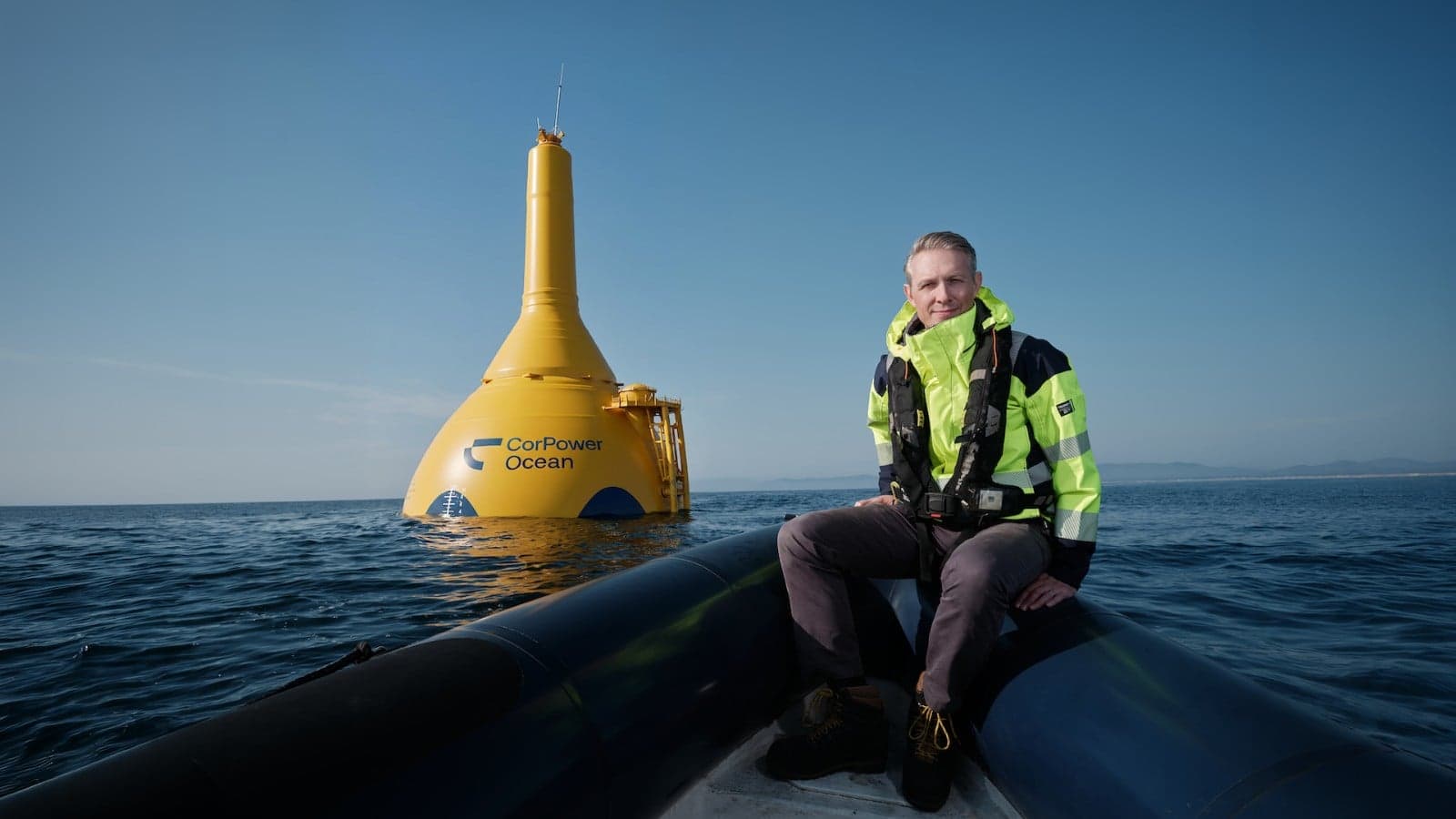
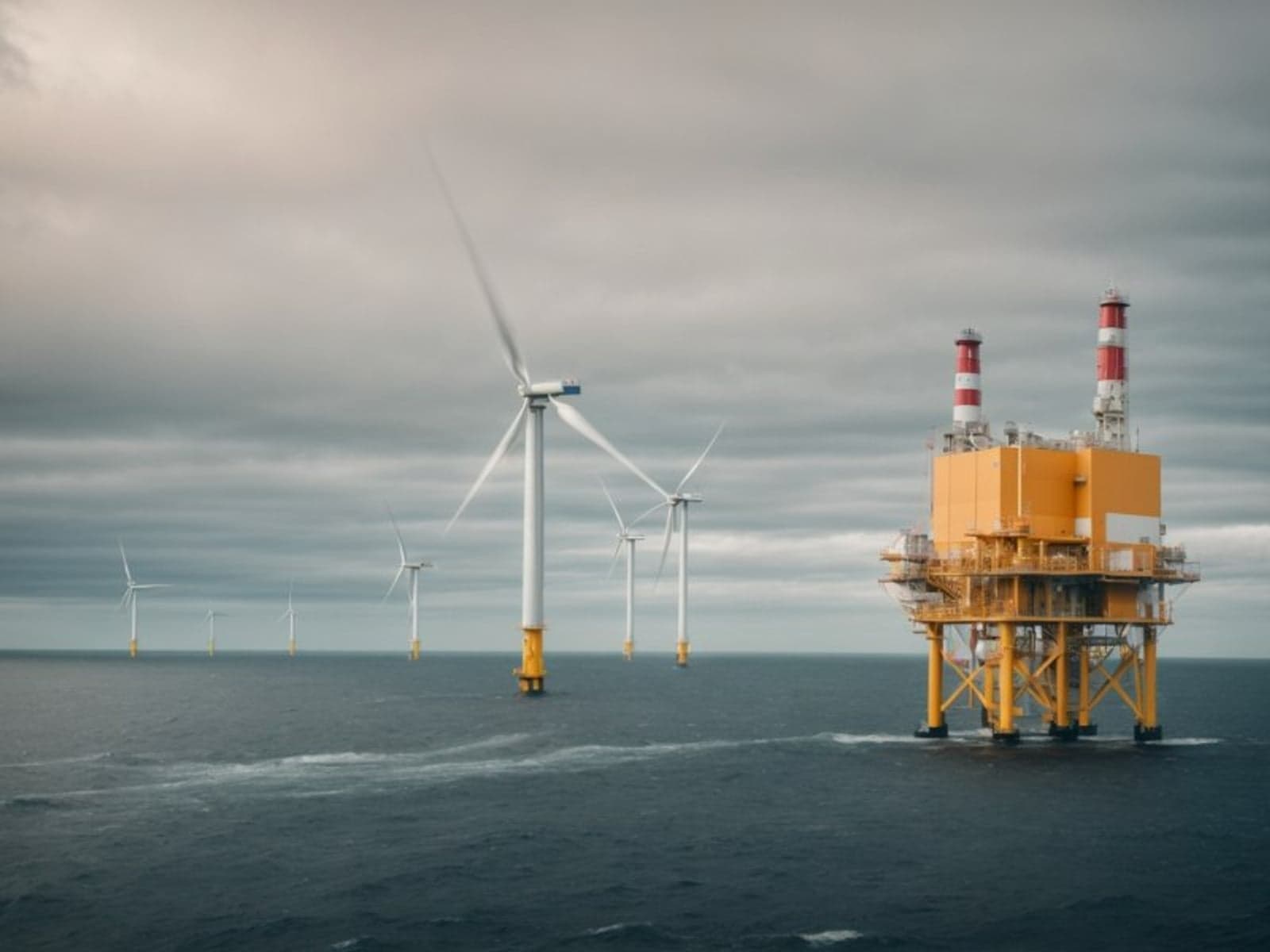
The team found that offshore energy, including wind turbines and marine energy devices, could help meet global carbon removal goals. And they could do that with the energy available in US waters alone.
Potential for carbon dioxide removal
In the Caribbean Sea, a 5,000-mile-wide heap of rust-coloured, brambly seaweed floats atop the pristine waters. When that seaweed clumps up on beaches and decomposes, it emits hydrogen sulfide gas, which can be toxic in high doses.
However, this problem seaweed could also be part of a solution. “If you sink that seaweed into the deep sea, you can potentially avoid those issues,” said James Niffenegger. “And with seaweed sinking, the deeper you go, the longer you can store the carbon dioxide it absorbed from the air and water.”
Have you read?
NREL prepares four wave energy devices for PacWave South deployment
Denmark’s district heating to use surplus heat from carbon capture
According to the Intergovernmental Panel on Climate Change, carbon dioxide removal is essential to keep global warming to 1.5 degrees Celsius. To do that, we need to remove about 3 billion to 7 billion tons of carbon from the atmosphere per year by 2050.
However, the carbon dioxide removal industry will require energy to pull that carbon out of our atmosphere and ocean. “The amount of energy that’s going to be needed would essentially require us to double the energy generation capability of the current grid in the United States,” Niffenegger said.
There is enough US offshore wind and marine energy to power the removal of 10 billion tons of carbon dioxide per year, according to Niffenegger. But not every technology designed to remove or capture and sequester marine carbon dioxide can get to that number.
And each, the research team found, comes with trade-offs. One might cost less but capture less carbon. Some can only operate in remote, hard-to-reach locations. Others consume high amounts of energy or come with hefty environmental risks.
For the study, Niffenegger and team explored three types of electrochemical carbon capture and removal techniques, each of which uses electricity and some specialized membranes, or fine filters, to separate seawater into acidic or basic solutions. All three techniques can capture carbon and produce hydrogen (which can be sold as fuel or combined with the carbon dioxide to make synthetic fuel) and chlorine gas (which can be used to manufacture certain products, like disinfectants).
Whether onshore or offshore, carbon removal technologies will require substantial amounts of energy to achieve global targets. But ocean-based carbon removal comes with a few extra benefits, like vast open space and few concerns about technological eyesores. “There is a massive amount of energy that exists offshore that the grid likely won’t even be able to use since it’s so far from shore,” Niffenegger said.
Offshore carbon capture, sequestration and removal companies will need sensors to monitor potential environmental impacts as well as how much carbon their technology captures, stores or removes. But plunging sensors down to the seafloor, embedding them next to deep-sea rock formations, or even tethering the tech to a buoyant, wave-rocked seaweed farm are not easy tasks.
At least one solution is clear: Predictable, reliable marine energy — especially wave energy — could help power all those sensors and at least some of these offshore operations. In some cases, it already does: Some offshore microalgae farms use wave energy to mix their vegetation and encourage growth. Offshore wind energy could power the bulk of marine carbon removal efforts, and when those winds do not blow, steady marine energy can help fill gaps.
Marine energy technologies are still in the early stages of development. Companies are working to hone their designs to make them durable enough to withstand the ocean and cost-effective enough to be commercially successful. But Niffenegger sees an opportunity for the marine energy and marine carbon dioxide removal industries to codevelop their budding technologies.
NREL is a national laboratory of the DOE, Office of Energy Efficiency and Renewable Energy, operated by the Alliance for Sustainable Energy LLC.
In this episode of the Energy Transitions Podcast, Ruth Herbert, CEO of CCSA, highlights the true potential of carbon capture and explains why cost and disruption have caused a delay in project deployment.
Originally published on hydroreview.com