Ofgem approves NESO’s grid connections reform plan in UK
Yusuf Latief
Posted on: 15 April 2025
Ofgem has given the greenlight to the NESO on a new plan to reform grid connections and free up space otherwise blocked by ‘zombie’ projects.
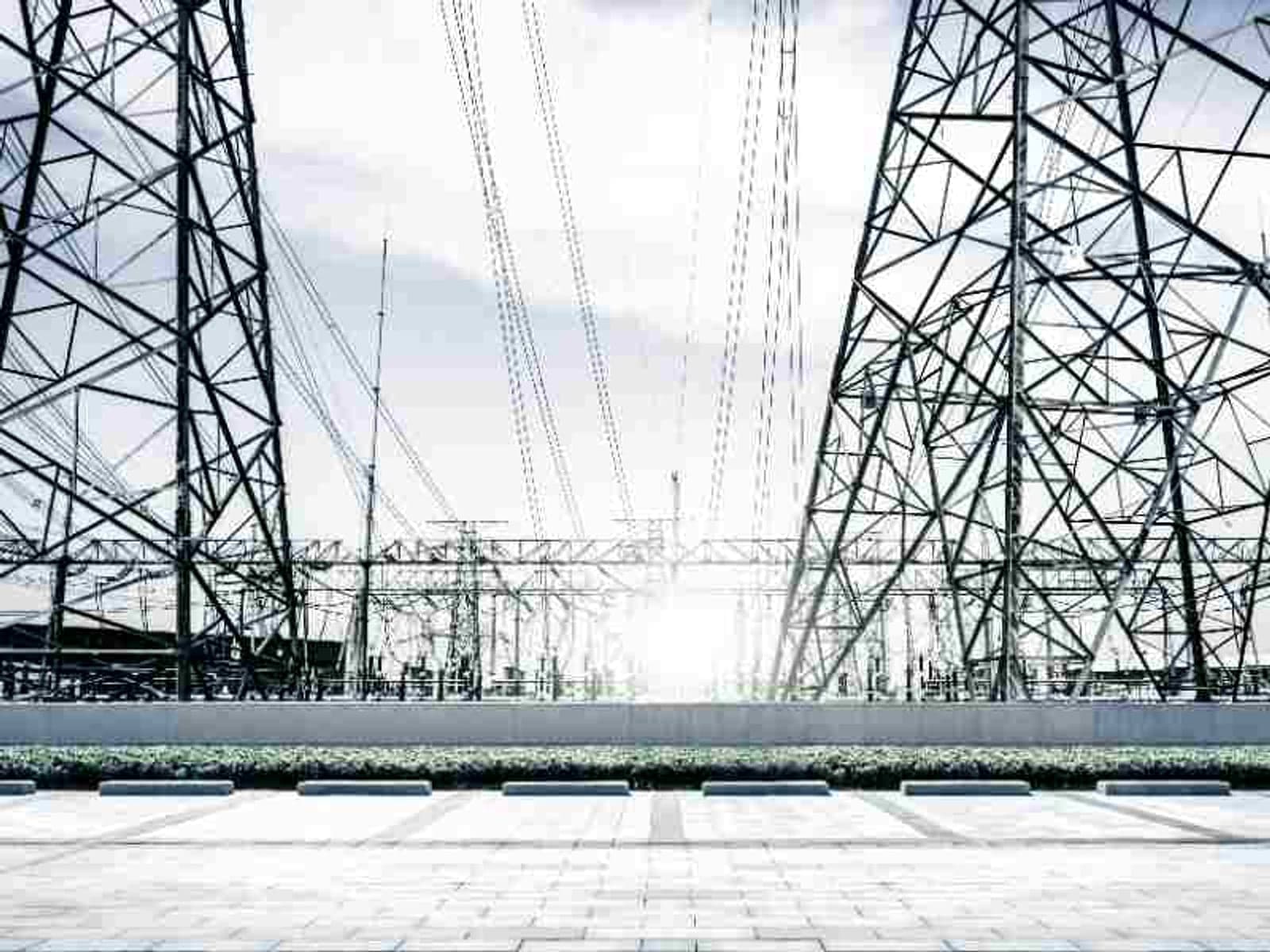
Britain’s energy regulator Ofgem has given the greenlight to the National Energy System Operator's (NESO) new plan to reform grid connections in a bid to free up space otherwise blocked by ‘zombie’ projects.
Drafted by NESO in partnership with the energy industry, the reforms are expected to help unlock £40 billion ($52.9 billion) a year of mainly private investment, says the UK’s Department for Energy Security and Net Zero (DESNZ) in a release.
Lack of access to grid connections has been a significant factor holding back projects and new investment in UK industries. Companies are currently waiting up to 15 years to be connected to the grid and over the last five years, the grid connection queue has grown tenfold.
For example, according to DESNZ, new commitments to investing in the UK have topped £38 billion ($50.2 billion) since July 2024 for data centres alone, but grid access has been the single biggest challenge facing these projects.
The current connections queue holds over 750GW of projects — four times what is needed for 2030 targets and twice for 2050, says NESO.
Have you read:
UK energy network operators abolish 10GW of ‘zombie’ connection projects
British MPs warn of continued lags in grid connections queue
Connection reform
NESO’s connection reforms aim to offer faster connections for viable projects aligned with Great Britain’s strategic energy plans, pushing 'ready' projects to the front of the queue.
Under the new changes, connections preference will be given to project types including those to do with data centres and AI, and wind and solar. This also means deprioritising those projects that are not ready or not aligned.
UK energy secretary Ed Miliband said: “Too many companies are facing gridlock because they cannot get the clean energy they need to drive growth and create jobs.
“These changes will axe ‘zombie’ projects and cut the time it takes to get high growth firms online while also fast-tracking connections for companies delivering homegrown power and energy security through our Plan for Change.”
Ofgem CEO Jonathan Brearley said the proposed connection reforms "will supercharge Great Britain’s clean power ambitions with a more targeted approach anticipated to unlock £40 billion a year of investment and energise economic growth".
“The reforms would cut through red tape, consign ‘zombie projects’ to the past and accelerate homegrown renewable power and energy storage connections as we head to 2030.”
NESO chief operating officer Kayte O’Neill added that “reforming the connections process is a key enabler for delivering clean power by 2030 and will drive economic growth for Great Britain".
“Together with the wider energy industry, NESO will focus on prioritising agreements for projects that are critical and shovel ready, bringing these to the front of the queue and giving developers the certainty they need to support investment decisions.”
Welcoming the reform plan in a release was Lawrence Slade, chief executive of Energy Networks Association:
“Ofgem’s decision to approve once-in-a-generation connections reform will start to clean up the connections queue and unlock Britain’s renewable power.
"This decision represents an important next step in connections reform, ensuring the connections queue is aligned to the government’s Clean Power 2030 Action Plan, and allowing for a first ready, first needed, first connected queue."
Specifically, Slade highlights Ofgem's recommendation that NESO protect projects with planning consent that are due for connection in 2027, ensuring investor confidence for scheduled projects and those that have seen significant progress.
Said Slade: "Now that we have fired the starting gun on reform, the mission to transform the grid starts now. We now need to consider investment, supply chain and skills in parallel. The energy networks will continue to work closely with NESO, Ofgem and the UK Government to deliver fast and fair connections for customers."
Zoisa North-Bond, CEO of Octopus Energy Generation also welcomed the plan, saying, "“It’s great to see Ofgem tackling one of the biggest blockers to Britain’s clean energy future and putting shovel ready renewables on the fast track.
“This reform will make the system more efficient, remove the need for unnecessary new pylons, and slash bills for consumers and businesses across the country."
Oli Pettersen, Connections Manager at energy developer Balance Power, said the connection reforms were “a hugely exciting milestone in helping the push for Clean Power 2030".
"This will allow developers, whose schemes have previously been blocked by transmission delays, to energise earlier and play an active role in bringing network stability and cleaner power to the people of Britain.
"The rush will be on for developers now to gather all the required information for NESO to ensure that their projects make their way to the ‘top of the pile’ and receive a GATE 2 offer.”
And Aazzum Yassir, Director of Technology & Operations at Pulse Clean Energy, called the reforms "a pivotal step towards accelerating the UK’s clean energy rollout".
"The UK is a global leader in clean energy deployment, especially with wind and battery storage power. By building on the momentum already built and prioritising grid access for clean energy projects that are ready to deliver real value is exactly what’s needed to unlock investment, strengthen energy independence, and build the infrastructure the energy transition needs."
In December 2024, NESO submitted the set of connection reform proposals to Ofgem, which they call a product of extensive collaboration with industry stakeholders, Ofgem and government.
According to the system operator, as the reforms are implemented, network companies need to build all planned transmission networks on schedule, doubling build over the next five years compared to the last decade.