Ofgem lowers energy price cap for first time since start of energy crisis
Yusuf Latief
Posted on: 25 May 2023
UK energy regulator Ofgem has today lowered the energy price cap for the first time since the start of the global gas crisis.
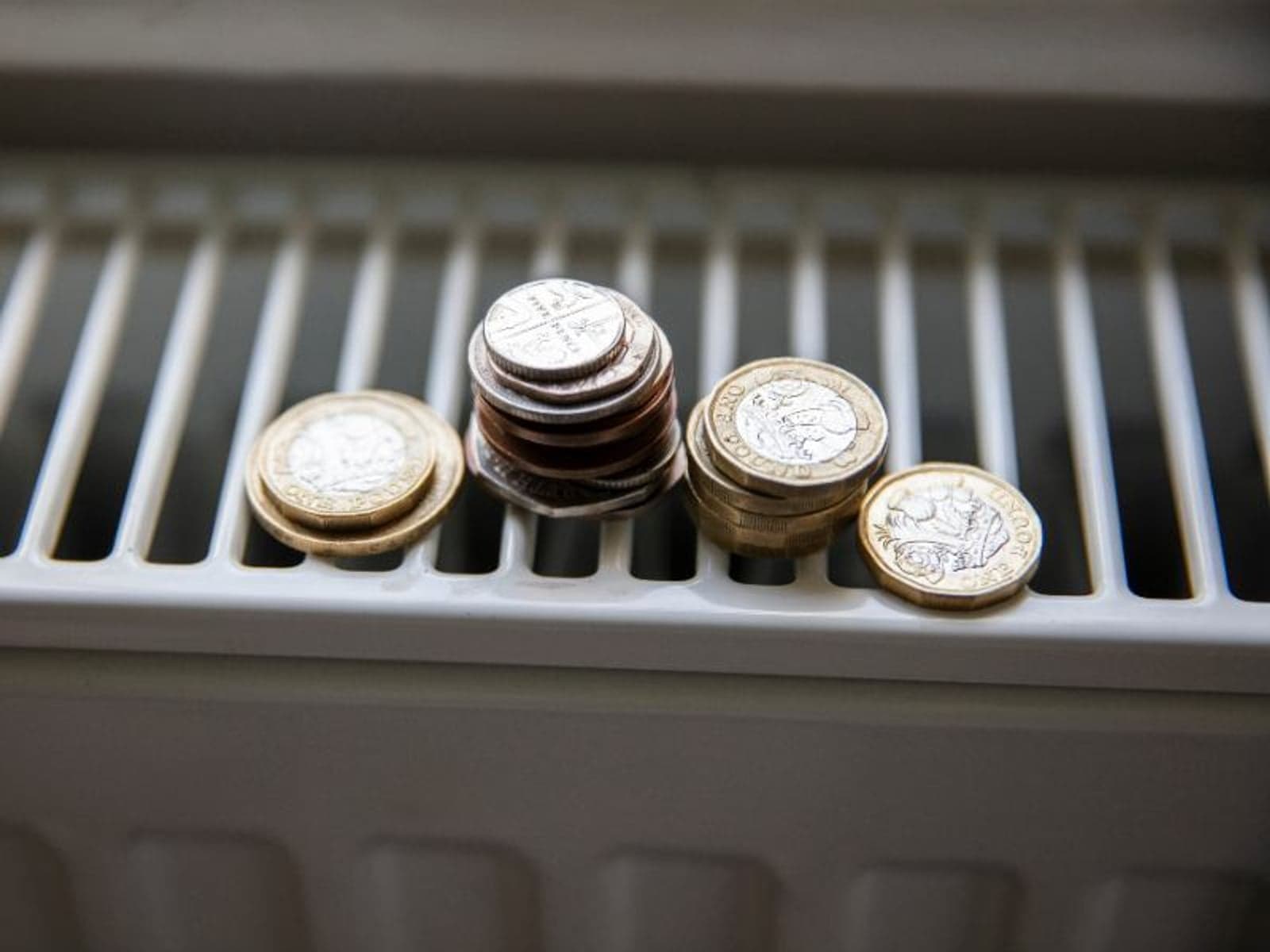
UK energy regulator Ofgem has lowered the energy price cap for the first time since the start of the global gas crisis.
Ofgem announced today that the quarterly price cap for the period 1 July to 30 September 2023 is set at £2,074 ($2,566.61) for a dual fuel household in the UK.
According to Ofgem, the new price cap represents both a reduction in last quarter’s cap and a reduction in how much customers will pay on their bills.
The update marks the first time since the Russia-sparked global energy crisis that energy prices are falling for customers in the UK on default tariffs.
At its peak, the price cap reached £4,279 ($5,295.33) and, although today’s level is lower than last quarter, it is still above the levels it was before the energy crisis took hold, remaining well above the pre-2021 average.
Ofgem CEO Jonathan Brearley commented on the announcement in a press release, stating the lowered price cap is a much-needed win after a difficult winter for British consumers. “It is encouraging to see signs that the market is stabilising and prices are moving in the right direction. People should start seeing cheaper energy bills from the start of July, and that is a welcome step towards lower costs.
“However, we know people are still finding it hard, the cost-of-living crisis continues and these bills will still be troubling…In the medium term, we’re unlikely to see prices return to the levels we saw before the energy crisis, and therefore we believe that it is imperative that government, Ofgem, consumer groups and the wider industry work together to support vulnerable groups.”
Have you read:
ENSIGN digital twin project to model future UK energy system
Guest ed’s note: Why you can’t just blame the market for high energy prices
Ocotopus Energy reopens 'smart' tariff
As Ofgem lowered the price cap, energy and technology group Octopus Energy reopened its wholesale price smart tariff, ‘Octopus Tracker’, what they describe as a ‘fully transparent’ tariff that passes on wholesale market rates to customers, which means their price for energy can change each day.
Octopus Tracker is designed for households who can shift large amounts of their energy use to avoid any expensive peaks. The product has been closed to sign ups to protect consumers from a period of huge wholesale prices, but has reopened now that prices have been mediated.
According to the company, through their tariff customers will be able to see how the current day's energy price compares to a Standard Variable Tariff (SVT), enabling them to adjust their consumption during peak and off-peak days.
There is a maximum cap on the tracker’s prices at 100p/kWh for electricity and 30p/kWh for gas.
Data will be key going forward
Also commenting on the lowered price cap was Chameleon Technology CEO Mike Woodhall, who says consumers in the country are not yet out of the woods; accurate energy data will be crucial in tackling the energy challenges that will continue to face the UK.
The CEO of the tech company, which develops smart home technology and a data platform, states that although new energy tariffs and deals are beginning to re-emerge, the key change that consumers can make to keep their energy bills low is to become more aware of energy use and improve their home’s energy efficiency.
According to Woodhall, although the lowered price cap is much-needed, consumers in the UK will still be harshly affected by high prices and accurate data will thus be paramount going forward.
"With smart energy tools, households can monitor their energy consumption, understand energy data to establish baselines and monitor the impact of behavioural changes," states Chameleon Technology.
Video: Meet the energy lawyer bringing renewables aid to Ukraine
The next quarterly price cap update will be in August 2023.
Updated to include information from Octopus Energy.