Onshore wind at risk from sensationalist fire coverage
Pamela Largue
Posted on: 14 January 2026
Dramatic reporting of rare turbine fires is fuelling public opposition to onshore wind at a time when Europe can least afford it.
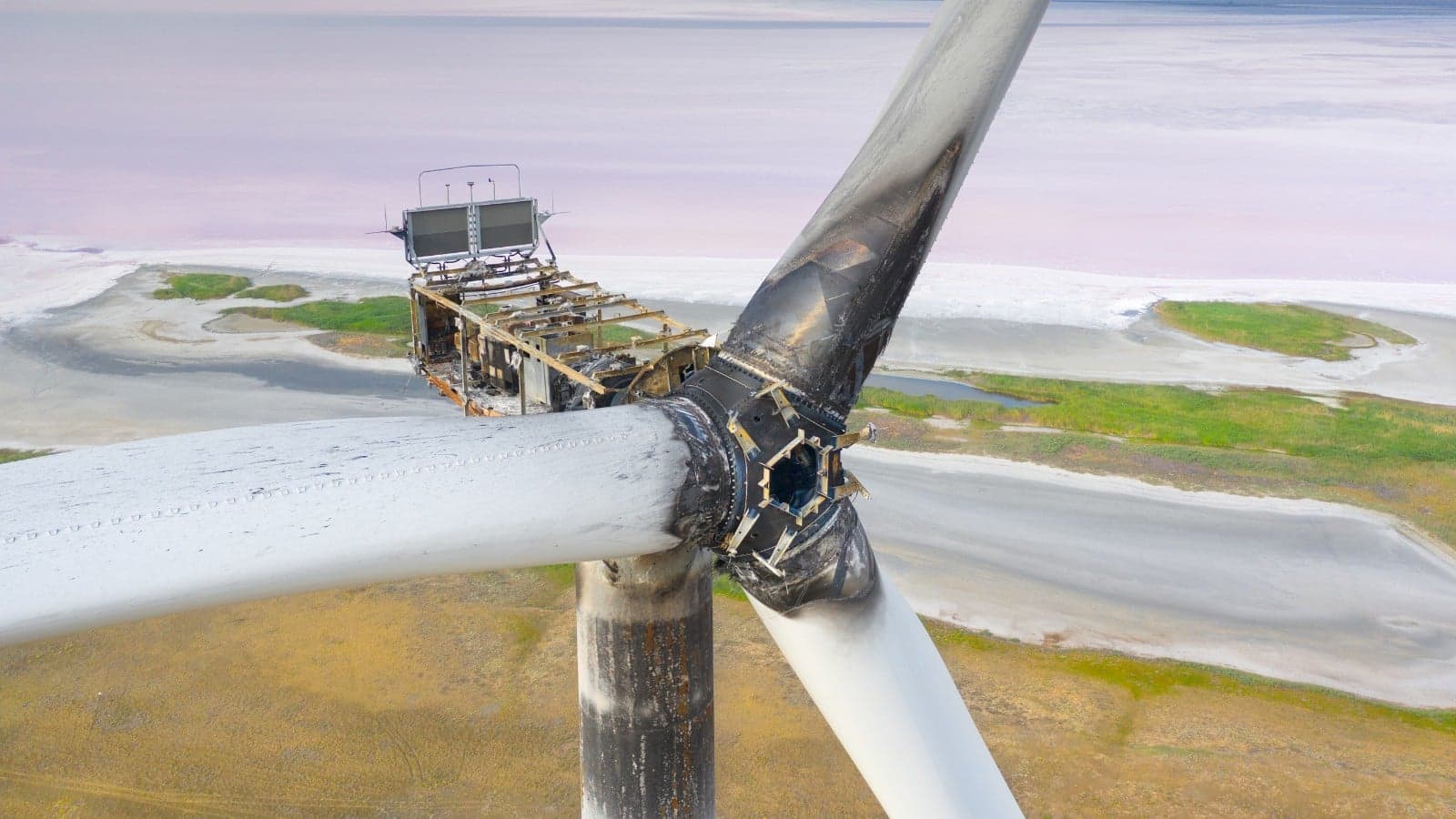
A new report from suppression system specialist Firetrace International warns that sensationalist media coverage of wind turbine fires is fuelling community opposition to onshore wind projects across Europe.
The report, Fire Alarm: How isolated fire incidents could threaten EU onshore wind, finds that although turbine fires are rare — occurring at a rate of between one fire per 1,710 and 7,000 turbines — media reporting frequently relies on dramatic imagery and provocative language that exaggerates the perceived risks.
According to Firetrace, this skewed portrayal amplifies public concern, spreads misinformation and contributes to avoidable resistance to onshore wind developments.
Joe DeBellis, global head of the clean energy sector at Firetrace International, said inconsistent reporting often distorts public understanding. “Dramatic visuals and inconsistent reporting often amplify perceptions of risk, fuelling misinformation and driving avoidable community pushback,” he said.
John Morris, head of asset management for the UK at renewable energy developer Nadara, echoed those concerns, arguing that media coverage is “fuelling the bias against the wind industry” — a bias the sector can ill afford.
At a time when offshore wind projects are increasingly constrained by permitting delays and regulatory challenges, onshore wind represents a critical growth opportunity for Europe’s energy transition. Firetrace notes a historic surge in proposed onshore developments, with more than 200GW of new capacity planned across the continent in 2024–25.
Have you read?
Why emerging markets are more alive to fire risks in renewable projects
BESS insurance: A blooming market vs booming risk
However, the report stresses that addressing public fears and countering misinformation will be essential if these projects are to move forward. Morris said it is the industry’s responsibility to ensure accurate information is shared with the media wherever possible.
“Europe cannot afford to let rare turbine fires — or the sensational headlines they attract — derail the continent’s onshore wind boom,” DeBellis added.
As a remedy, Firetrace calls for the creation of a standardised, evidence-based fire safety database that is publicly accessible and clearly communicates the realities of turbine fire risk. Such transparency, the report argues, would help dispel persistent myths surrounding wind turbine safety.
“Standardised, transparent fire-incident data, paired with early and meaningful engagement with local communities, is essential,” DeBellis said. “When people have access to clear information, understand the economic benefits of onshore wind sites and see developers addressing concerns upfront, trust grows.”
The report also urges stronger enforcement of existing industry standards and greater data sharing between turbine manufacturers, insurers and regulators to better identify risks and support the development of fire prevention and mitigation technologies.
Community engagement is highlighted as a critical factor in maintaining public support.
Firetrace recommends regular Q&A sessions and public meetings where safety issues, maintenance procedures and emergency response plans can be openly discussed. These forums, it says, also provide an opportunity to highlight the local benefits of onshore wind projects, including job creation and the delivery of clean, affordable energy.