Why emerging markets are more alive to fire risks in renewable projects
Kelvin Ross
Posted on: 18 July 2023
Operators of renewables in emerging markets ‘more likely to take precautions against fire risks than those in mature markets’.

Operators of renewables in emerging markets ‘more likely to take precautions against fire risks than those in mature markets’
Demand for fire protection to be installed in renewable energy infrastructure is rapidly growing in emerging markets where the energy transition is gathering pace.
And this, according to US company Firetrace International, is in contrast to mature markets like the US, where for example, some 75% of project owners and operators still don’t seek fire-fighting solutions until they actually experience a fire.
With markets such as Latin America and the Caribbean anticipating 460% growth in large-scale solar and wind power capacity by 2030, and the Indian market having grown by 250% between 2014 and 2021, the accompanying appetite to protect new assets with solutions for risks, like fire, is growing in parallel.
Fire risk management
Firetrace says the proactive approach to fire risk management in emerging markets is unlike the approach typically taken in mature markets, where investing to protect against fire risk in advance of an event is still relatively uncommon.
While mandates for the installation of fire suppression in wind turbines only exist in New Hampshire in the US, installation is regarded as vital for assets in the Dominican Republic – a country where the national budget for expanding clean energy is 30 times less than the $12 billion capital investment in US offshore wind alone.
More advanced wind turbines leading to greater fire risk
The burning issue of wind turbine fires
Wind sector vulnerable to fire due to lack of clarity on risk management
“We have noticed that owners and operators of renewable assets in emerging markets are more likely to take precautions to protect their investments than those in the markets we have traditionally served, and there is good reason for this,” says Joe DeBellis, Senior Global Sales Manager at Firetrace.
“However, this proactive attitude towards managing risk and ensuring that infrastructure sees out its expected operational lifetime should be universal rather than a trend in nascent renewable energy markets.”
Catastrophic downtime
DeBellis says that distinct economic positions account for these divergent attitudes.
The regions where renewable energy is being newly-adopted are commonly among the world’s poorest in terms of GDP per capita and are shifting to renewables in order to reduce historic dependence on imported fuels for energy consumption.
He explains that a country that is shifting dependence to domestic renewable assets cannot afford the downtime that a catastrophic fire event could cause – namely 12-18 months of asset downtime.
And with many of these assets located remotely, this timeline could be exacerbated by difficulties sourcing new or replacement parts.
He adds that with budgets for these energy transitions borrowed from financial institutions, such as the Dominican Republic’s recent $400m loan from the World Bank, there is a greater imperative to safeguard against losses.
DeBellis also highlights how these regions are also prone to extreme weather and often deploy renewable assets away from densely-populated areas where response time to a fire would be much faster.
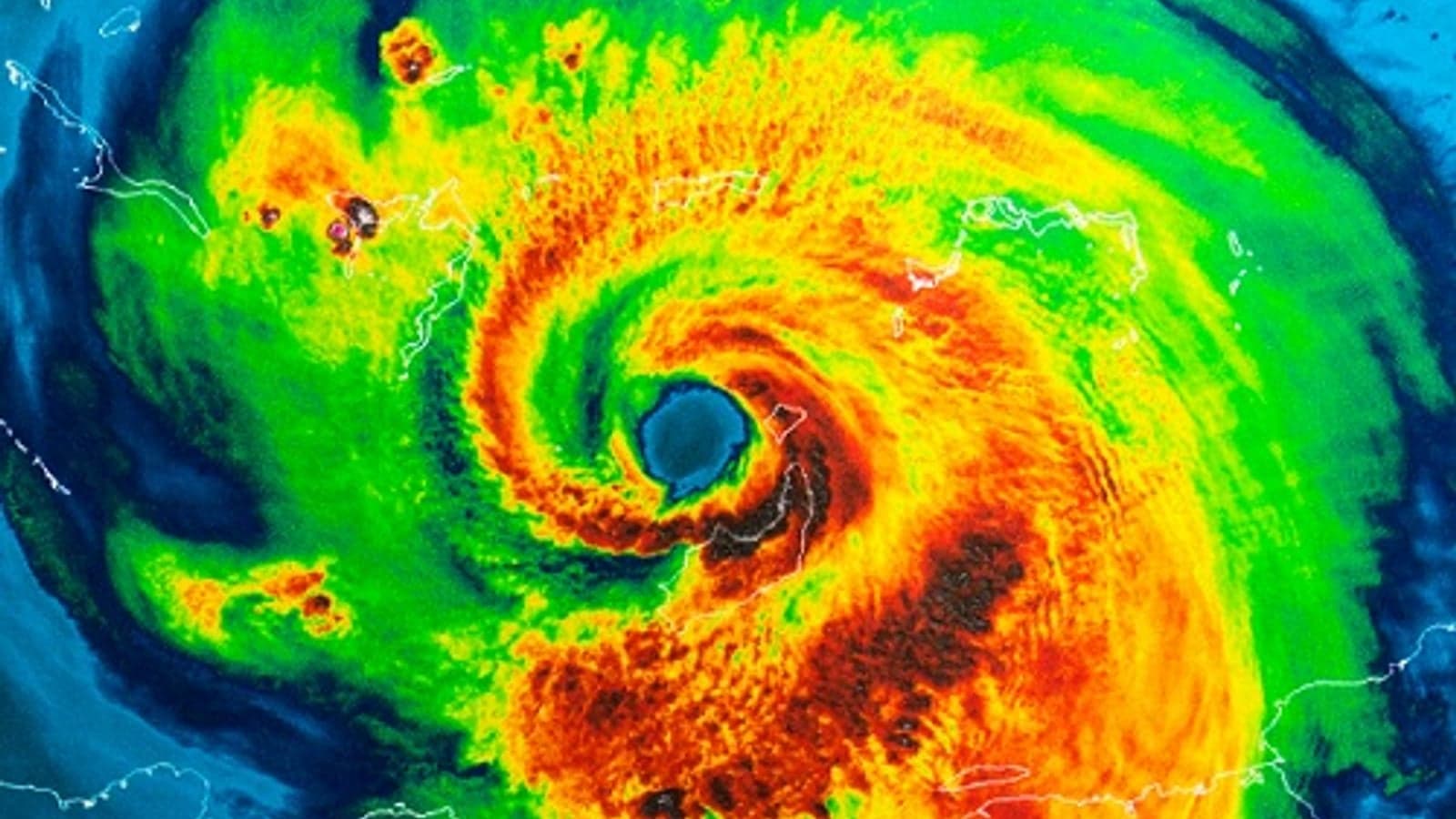
“This increases the risk profile of the average project. In the Caribbean, increasingly severe and frequent property losses during tropical storms and hurricanes have pushed the local markets to adapt to climate risk by proactively protecting investments against a potential loss, rather than replacing them after the event, or hoping that public services will protect them as an event happens.”
Threat from wildfires
However, DeBellis says these factors do not apply solely to emerging markets.
Since 2015, weather-related losses have tripled in the US, according to data from GCube Insurance’s ‘Hail or Highwater’ report, and wildfires have posed the most consistent, year-round threat of damage to assets.
Average asset downtime for a wind turbine after a catastrophic event in the US is also 12-18 months, at a cost of $2,000/day in revenue.
And US plans to push renewables further offshore and further into rural areas bring project risks into closer alignment with those in emerging markets due to the remoteness of these sites.
It appears that as renewable assets in mature markets become increasingly exposed to the same risk factors common in emerging markets, project owners should take stock of the best practice being set by those operating on smaller budgets to better protect their investments from manageable threats like fire.
DeBellis says: “The reality is that more mature markets are increasingly being exposed to extreme weather and are seeking out more remote locations for the deployment of renewable assets.
“In this way, their risk profiles more closely resemble risk profiles in emerging markets, and they would benefit from adopting similar strategies to safeguard their projects.”