Open energy data – yea or nay?
Jonathan Spencer Jones
Posted on: 21 January 2022
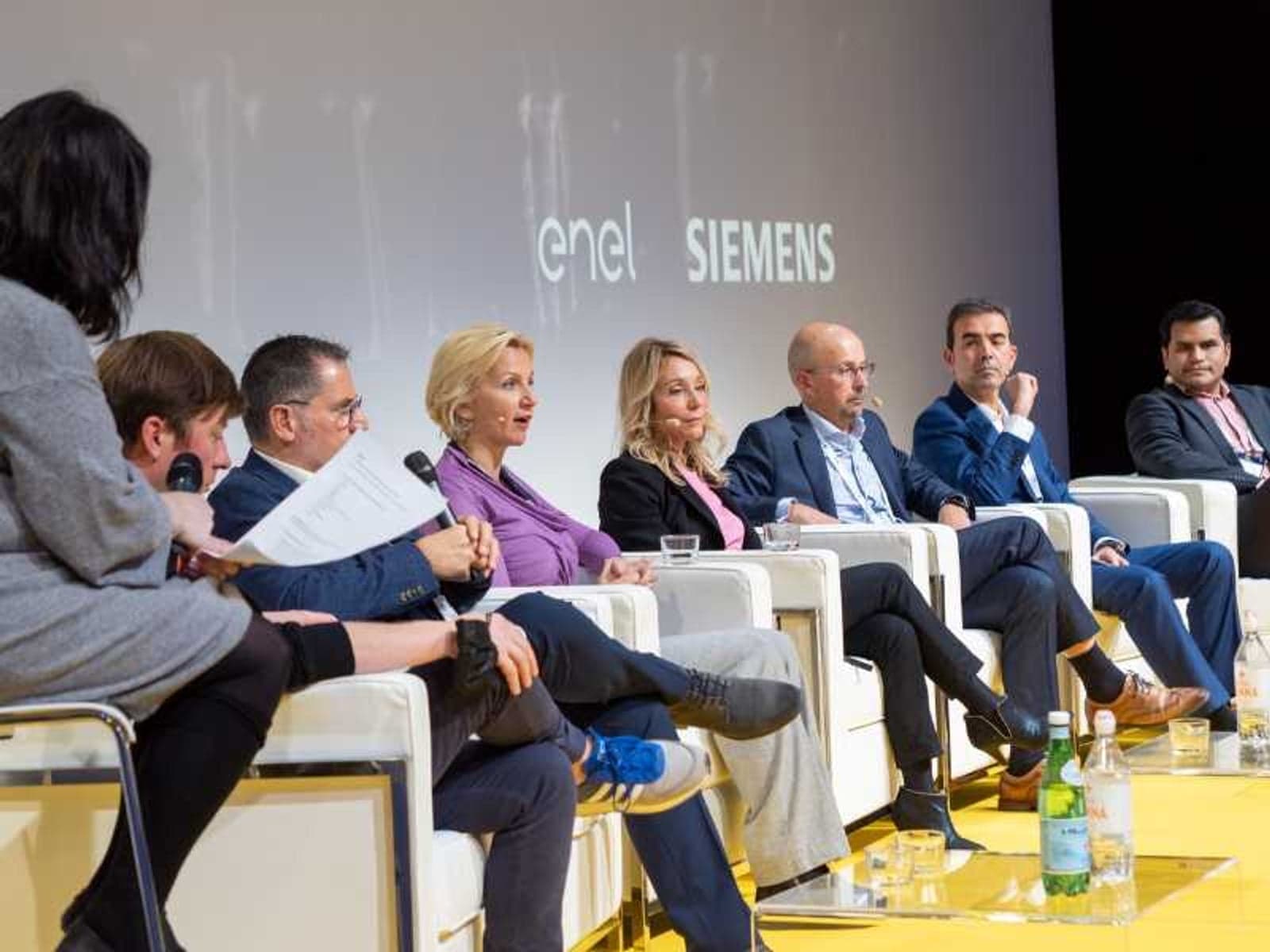
Open data – yes, but with some caveats say members of Enlit’s Data Working group in its first meeting which took place during Enlit Europe in Milan.
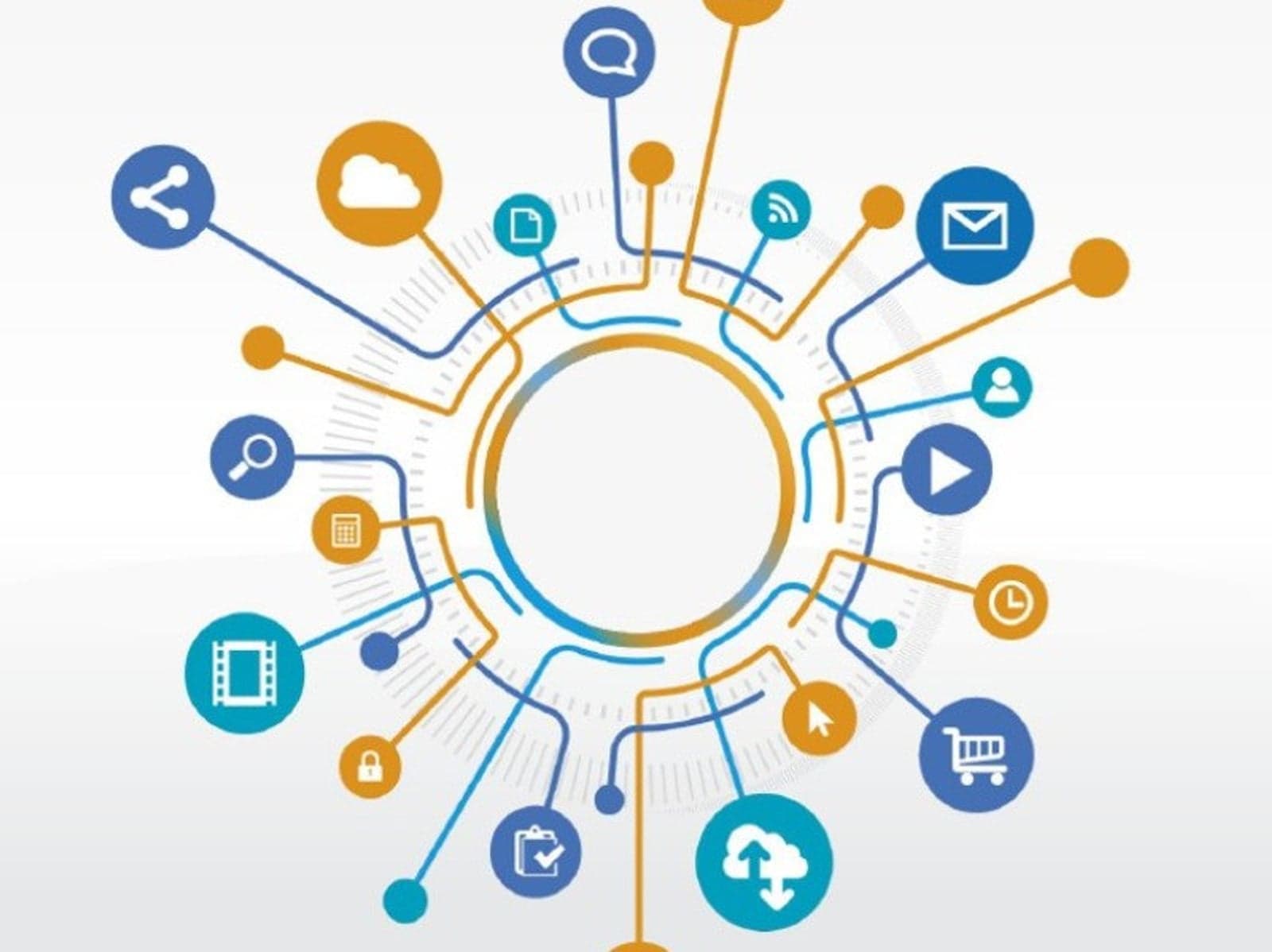
Open data – yes, but with some caveats say members of Enlit’s Data Working group in its first meeting which took place during Enlit Europe in Milan.
The group, comprised of about half its membership with attendance limited by travel restrictions, agreed on the principle of open data in Europe, but with some varying comments around how it should be delivered and on issues such as ethics and consumer permissions.
Opening the discussion, Manuel Galvez, European Affairs lead at the TSO Elia in Belgium, said that open data is needed to deliver the services that the energy sector and consumers need.
“In particular [it is important] for system operations to operate and facilitate the market with a lot of renewables and electrification.”
Sergio Lazzarotto, Executive Director of the DLMS User Association, concurred, commenting that there is a lot of data available from the smart meter that can be used to integrate other devices into the grid.
Have you read?
New energy data work group launches at Enlit Europe
Luis Cunha, Director of European Policies and Projects at Portuguese DSO E-Redes, said that from the DSO perspective he believed as much data as possible should be open, except that with security implications and proprietary restrictions.
“Removing those obstacles, I think the remaining data should be made available in a free and open way as we never know what data we might need to tune the algorithms to operate the network – but respecting the management and other issues around it.”
Arjan Haring, researcher at the Jheronimus Academy of Data Science in the Netherlands, sounded a note of caution, however, saying there should not be the “data catch-all” approach by organisations that seems to be prevalent, but rather only seeking out the data that adds value.
“That doesn’t seem good for research or for creating value.”
Data sharing and trust
Within Europe, data ownership resides with the consumer, who may choose whether or not to share their data.
Francisco Puente, Director of Escan Energy Consulting, recalled the situation in the Netherlands when the initial smart meter rollout was halted as consumers had not been consulted on the use of data.
“It’s not that consumers don’t want to share their data but that they like to be asked about its use.”
He also mentioned from experience working with consumer organisations that education is important as consumers may have little awareness of smart metering or the uses of its data.
Sandra Melki, Industry Executive - Energy & Utilities at Microsoft France, commented that trust is “critical” not only between consumers and utilities and others within the energy sector but also across sectors as a driver for innovation.
“When we look at the challenges regarding the energy transition and decarbonisation, we need to have all the stakeholders involved.”
Ana Trbovich, COO of Grid Singularity, raised the issue of data ethics, commenting on the case of telecom usage data being used by companies for infrastructure placement for their own benefit without any benefit to the data owners.
“There needs to be full symmetry of information on how data is used and who is benefitting,” she said.
She also commented on the need for anonymisation of data to provide security to users and for the same reason indicated a preference for decentralised storage of data rather than in a central ‘silo’.
“We have the technology that allows everyone to keep their own data and to give access to the relevant data. It’s a matter of how do you legislate it and how do you implement it?”
Galvez said that TSOs together with DSOs have a role to play in enabling access to data both of the smart meter and behind the meter.
“I think as long as the consumer gets value, saving something or even better-earning something, and it's simple and secure to do, they will be willing to share their data. They do it with apps because it provides value.”
Data provision
Regarding data provision, Lazzarotto commented on several initiatives underway. Among them smart metering standardisation that will define what data should be opened up to wider energy sector use.
“Legislation, digital convenience and security are issues that need to be taken into account to provide a solution for consumers without breaching the security or ownership of the data.”
Melki added that the tools and infrastructure are available and the European Commission needs to encourage data sharing. She also suggested linking awareness building to climate change, an issue to which consumers are sensitive, as an approach.
“There needs to be transparent communication in order to increase the trust with the consumer.”
Data don’ts
Cunha commented that he is an advocate of using data to add value and for innovation, in particular for creating synthetic data which is of value to system operators and other parties.
However, he warned against the sale of data by third parties without added value and that services such as flexibility should be accompanied by data access.
“Flexibility adds value and if consumers want to participate in the process they should share their data with the system operators.”
Puente concurred, referring to the early days of smart metering when in some countries much effort was put into data sharing with customers, and commented that the added value should be fed back to the consumers.
Informed consent
Areti Ntaramidou, Enlit Europe Content Director and founder of the working group, suggested that informed consent, a solution from bioethics in which a ‘competent’ person to whom full disclosures have been made and who understands fully all that has been disclosed consents voluntarily to participation, is a possible solution to the privacy and safety dilemma.
The solution has been adopted by telecoms and internet companies around the world, she said: “Every time we accept cookies on a webpage, for example, we give our consent in order to browse the page.”
Haring commented from the academic perspective that while there is good research funding support for innovation in his field of artificial intelligence, there is less on consumer-related issues.
Cunha said there is no reason to be scared of informed consent and it was introduced in his company (then EDP Distribution) from the start of the rollout of smart meters with the large customers.
“It's really part of our normal activity and we have new technologies like blockchain that will improve the process.”
Galvez reiterated the need for value for consumers, saying that from the TSO perspective the value is in improving the security of services and creating competition which in turn adds further value.
The intent of the Data Working Group is to draft a white paper on energy data issues to present to the EU’s DG CNECT and DG Ener to advance the use of data in the sector.