OPENTUNITY: Opening the electricity ecosystem to multiple actors
Guest/partner contributor
Posted on: 9 April 2024
The OPENTUNITY project is working to create a collaborative energy ecosystem where grid operators have access to advanced technology tools, and energy consumers can harness the full potential of their energy assets
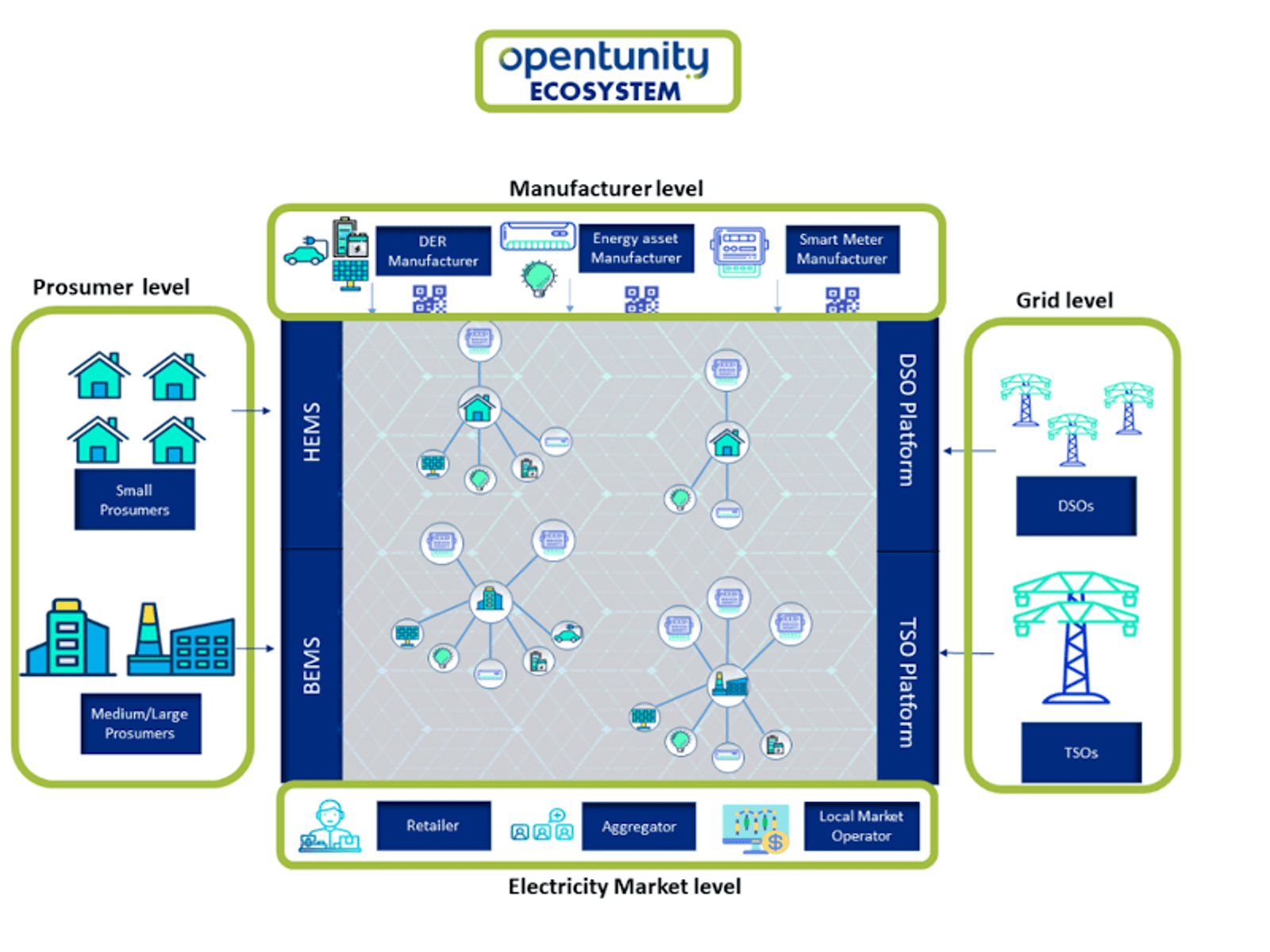
The OPENTUNITY project is working to create a collaborative energy ecosystem where grid operators have access to advanced technology tools, and energy consumers can harness the full potential of their energy assets.
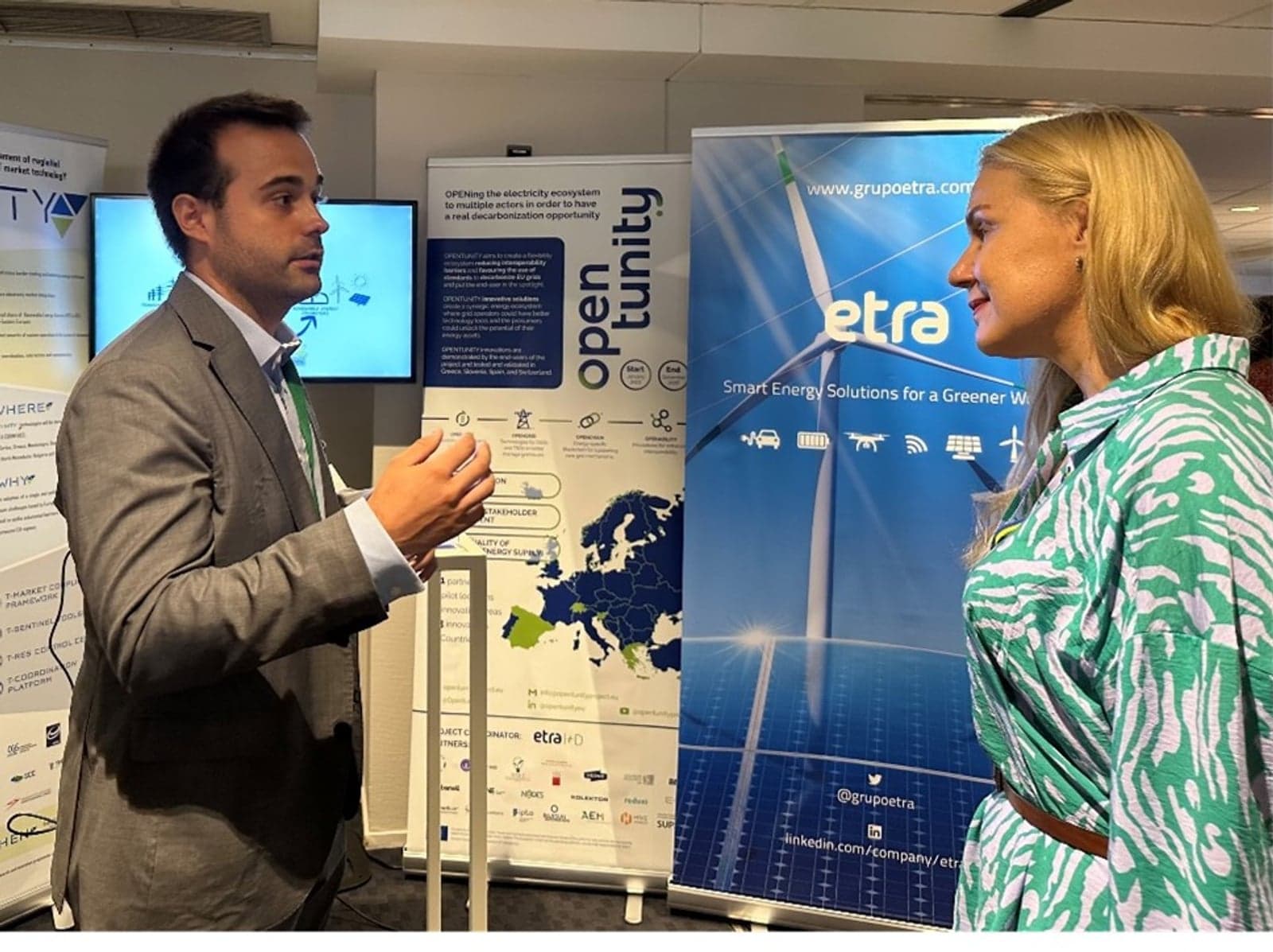
Funded under the Horizon Europe Programme, Spearheaded by ETRA, and backed by a consortium of 21 partners (including ETRA) spanning eight European countries, the OPENTUNITY project is striving to create a more flexible energy ecosystem, removing barriers to interoperability and championing standardized approaches. Its goal is to decarbonise EU grids and place the end-user at the center of the energy transition.
In the context of a global climate crisis and the ambitious targets outlined in the EU Green Deal, the digitalisation of the energy sector is as a key solution for decarbonising the European economy.
The 'Fit for 55 package' and the EU's Energy Digitalisation Roadmap highlight the added value of digital solutions, facilitating the integration of energy systems across various carriers, infrastructures, and consumption sectors.
Innovations to integrate distributed flexibility systems
OPENTUNITY introduces a series of innovations that facilitate the integration of distributed energy systems, such as PV, batteries and electric vehicles, into European Smart Grids. These systems are essential for greening EU grids, balancing energy supply, and providing backup for intermittent bulk renewable energy sources.
To achieve these objectives, the project deploys thirteen innovations across three categories:
- OPENFLEX: This category focuses on software technologies designed to enhance flexibility within prosumer environments. It allows for the flexible delivery and valorization of energy assets within buildings, including stationary storage and electric vehicle chargers. This innovation simplifies user-friendly installation and commissioning of a state-of-the-art Energy Management System (EMS) and enables the sale of flexibility in local flexibility markets. It benefits a wide range of stakeholders, including ESCOs, aggregators, small and medium prosumers, facility managers, EV car-sharing companies, and market operators.
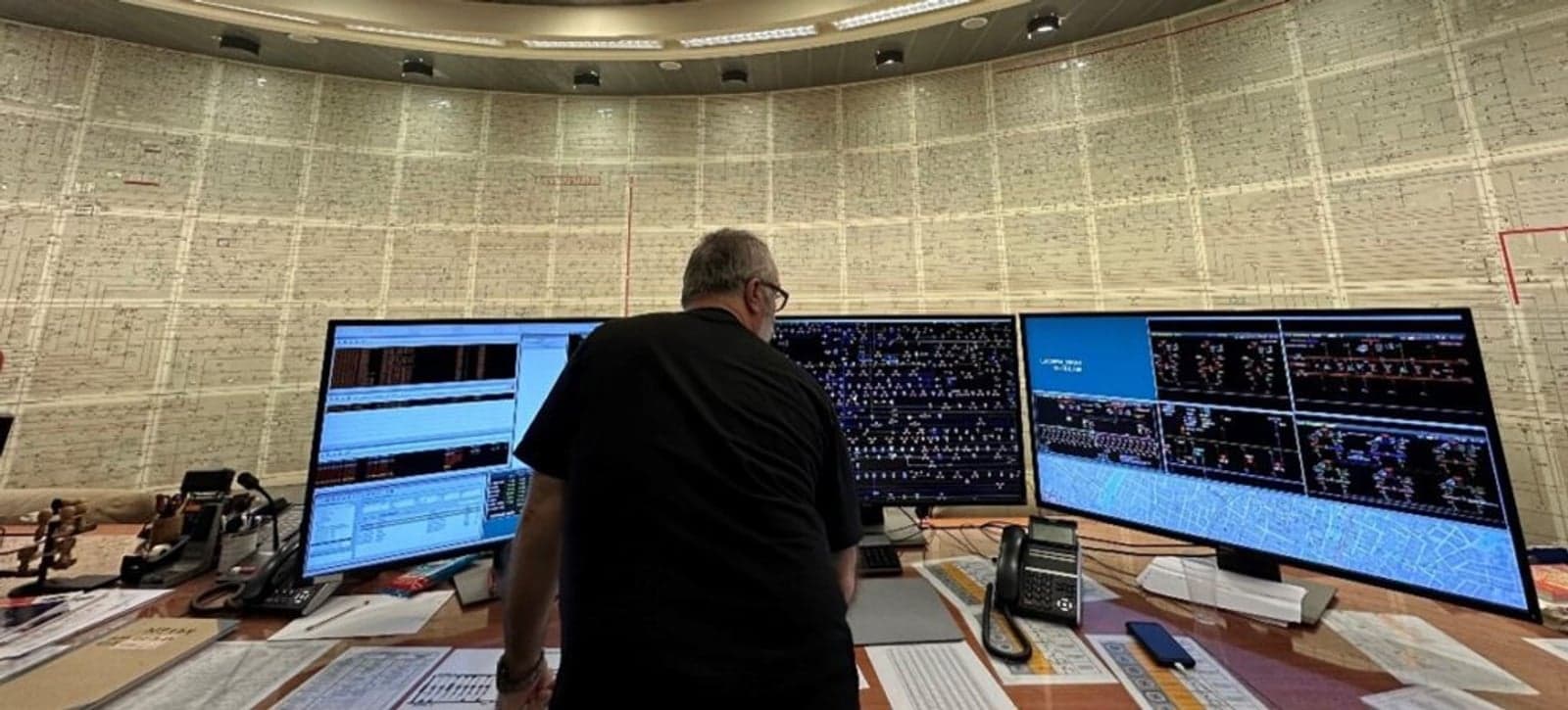
2. OPENGRID: It offers support for software technologies aimed at helping Distribution System Operators (DSOs) and Transmission System Operators (TSOs) to manage grid-related challenges more effectively. It provides powerful grid monitoring and control, offering real-time information on grid status and analysing flexibility requirements to initiate demand response campaigns. This innovation primarily benefits DSOs and TSOs.
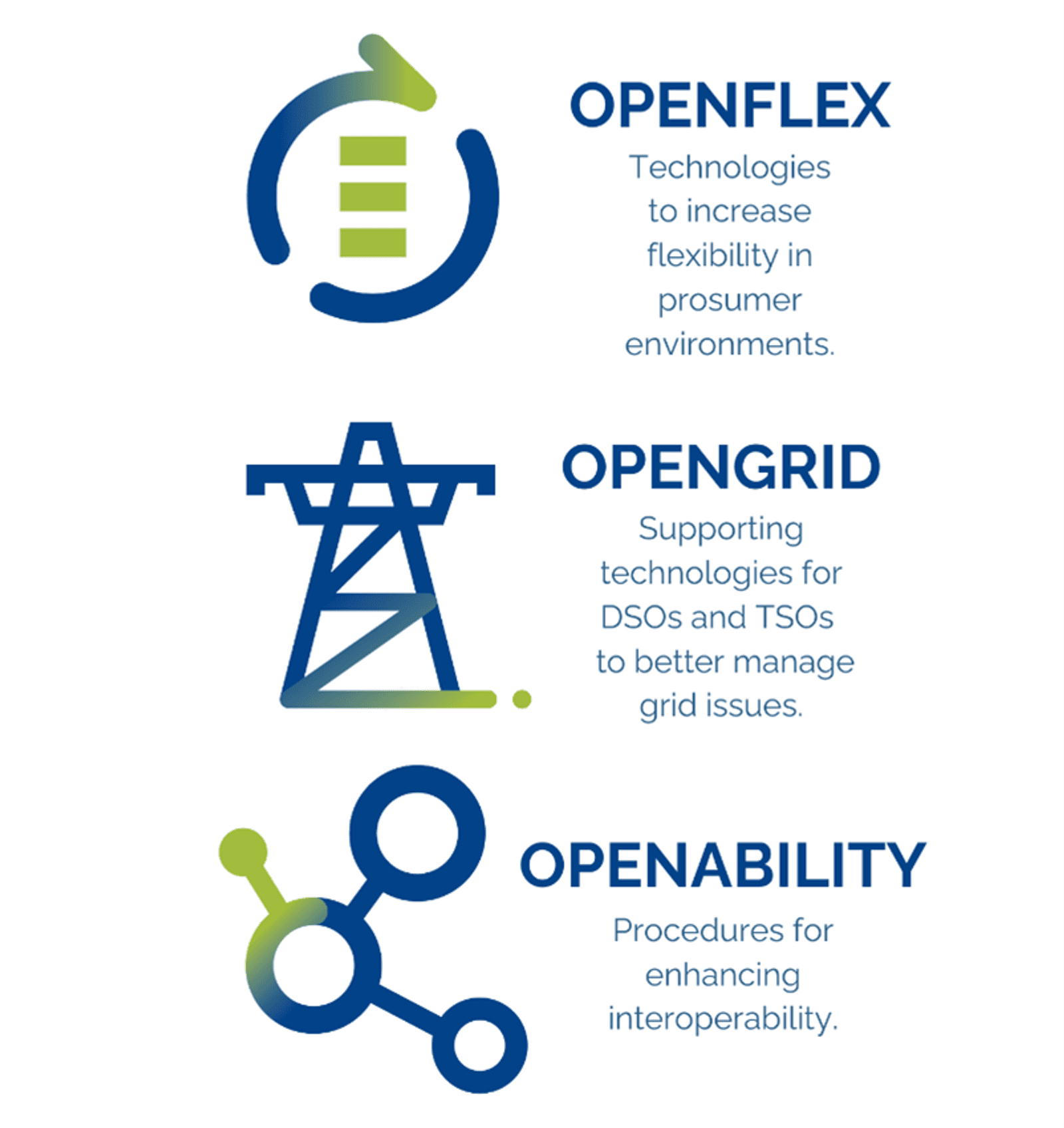
3. OPENABILITY: This category introduces procedures for enhancing interoperability. It provides a set of methodological procedures designed to enhance cooperation between different actors within the energy system. This innovation is beneficial to IT developers, companies, universities, research centers, DSOs and TSOs, OEMs, ESCOs, and small and medium prosumers.
Driving Sustainable Impact
The innovations brought forth by OPENTUNITY are intended to drive transformative changes in the European energy landscape. The project envisions a more sustainable society, powered by renewable energy sources, where citizens and stakeholders play a central role. These innovations are not merely technological advancements; they represent a profound shift toward decarbonizing the European Union's energy systems, empowering individuals and ensuring a reliable energy supply, particularly in the context of the growing adoption of Renewable Energy Sources (RES).
The key outcomes and innovations of OPENTUNITY are expected to deliver remarkable results, including:
- Design and implementation of flexibility market structures and management.
- Seamless vendor-agnostic integration of ICT infrastructures for Distribution System Operators (DSOs) and Transmission System Operators (TSOs) into energy management systems.
- Acceleration of the integration of Renewable Energy Sources (RES) while accommodating the expansion of e-mobility and heat-pump technologies and introducing new mechanisms to address grid challenges cost-effectively.
- Promotion of energy communities, fostering collaborative approaches to energy consumption and production.
- Enhancement of grid observability and controllability.
- Introduction of end-user flexibility recruitment and compensation tools.
Validation in Four Countries: Diverse Testing Grounds
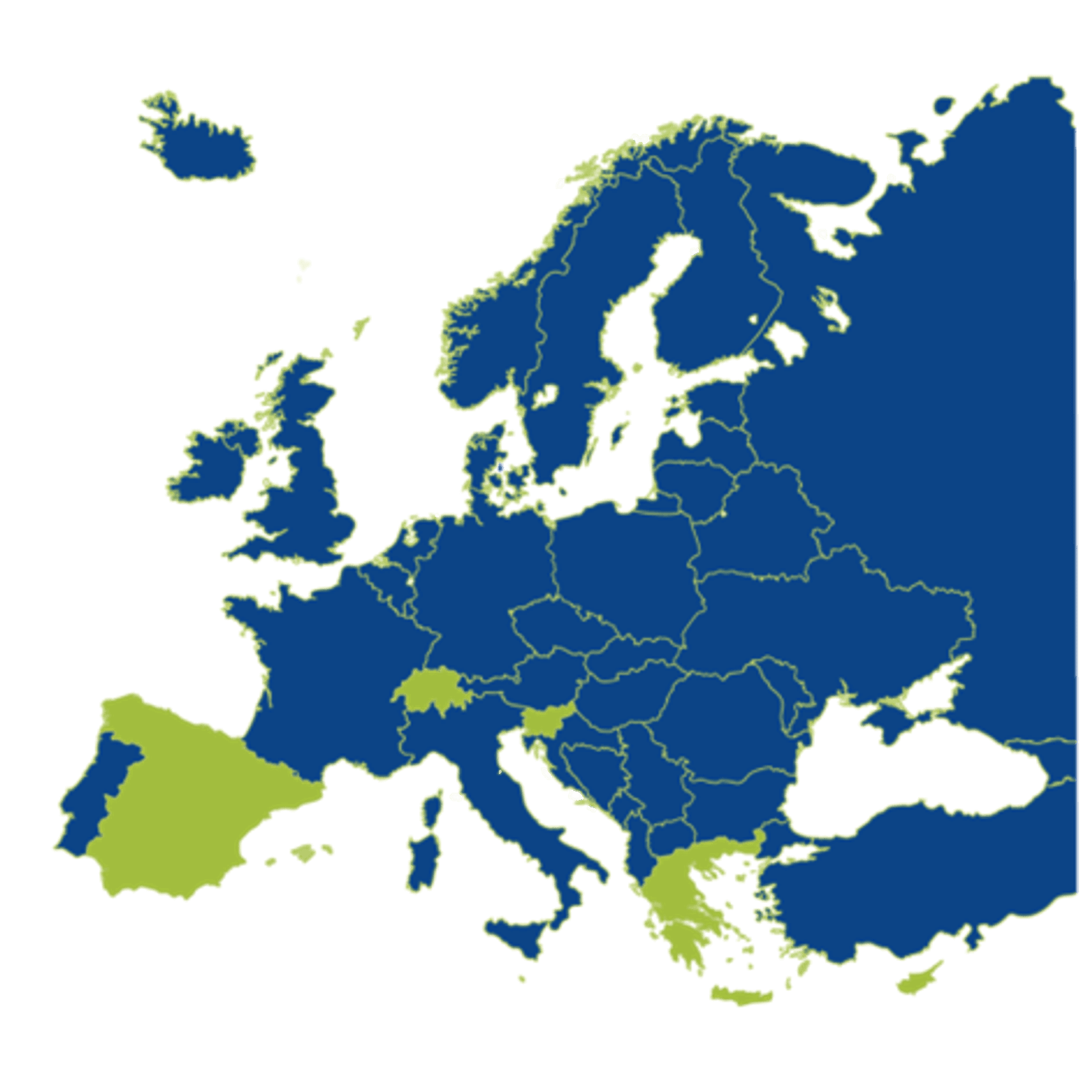
The OPENTUNITY project is set to be tested and validated by end-users, including four Distribution System Operators (DSOs), one Transmission System Operator (TSO), one retailer, and one aggregator. These solutions will be implemented and evaluated in four diverse European countries: Greece, Slovenia, Spain, and Switzerland.
This multi-country approach accounts for varying energy sources, network configurations, systems, and assets, all operating under different climatic, geographic, and socio-economic conditions. This diversity is crucial, as it facilitates replicability, scalability, and potential market launch after the project's completion.
Advancing Sustainability and Resilience
The OPENTUNITY project holds significant promise for addressing climate change and environmental concerns. By facilitating the integration of distributed renewable generation sources (DER) and enhancing energy efficiency in power grids, it contributes to a sustainable future.
The smart and efficient end-to-end planning, monitoring, and control of power networks offered by OPENTUNITY can lead to an overall reduction in system costs. This can manifest in lower power losses, reduced outage durations, and decreased investments in peak demand.
By 2032, as OPENTUNITY's innovations permeate the market, their impact is poised to be profound. The project anticipates an impressive 600.88MWh of avoided or reduced non-supplied energy in its pilot countries. Furthermore, OPENTUNITY is set to tackle distribution losses, saving a remarkable 186.67GWh of energy annually by 2032.
But the impact doesn't stop there. It's about benefiting people, environment, and economies. The OPENTUNITY project is expected to positively impact the lives of 26,852 citizens during the project lifespan , while also making a substantial dent in our carbon footprint, with an annual reduction of 91.22 million metric tons of CO2 equivalent (MtCO2eq) greenhouse gas emissions by 2032. Perhaps even more compelling is the role OPENTUNITY plays in addressing energy poverty. By 2032, the project aims to reduce energy poverty by a significant 30% in its pilot sites countries. This isn't just about lowering energy bills; it's about improving the quality of life for those who need it most.
Furthermore, focusing more on grid level, the OPENTUNITY project aims to improve the management of distribution networks by reducing the need for additional investments and increasing efficiency. This approach can facilitate the market introduction of renewables, accelerate the decarbonization of the electricity grid, improve the security and efficiency of electricity transmission and distribution, and stabilize market prices for electricity, while also ensuring a higher level of energy supply security. As a result of the OPENTUNITY project, the self-consumption capacity in the four participating countries is expected to reach almost 1GW by 2032. This will translate to a yearly renewable energy production of 1.38 TWh of green energy.
Related tags
Latest content
+5
Smarter grids, smarter choices: OPENTUNITY’s role in the future of energy
The OPENTUNITY project is working to create a collaborative energy ecosystem where grid operators have access to advanced technology tools and energy prosumers can harness the full potential of their energy assets.
- Guest/partner contributor
- 06/05/2025
+4
Enhancing energy management and planning through interoperability
The ELEXIA project is demonstrating digitised energy system integration across sectors enhancing flexibility and resilience towards an efficient, sustainable, cost-optimised, affordable, secure and stable energy supply.
- Guest/partner contributor
- 19/09/2025