Ørsted partners with Wildlife Trusts to restore Humber biodiversity
Pamela Largue
Posted on: 21 June 2022
Ørsted will partner with Lincolnshire and Yorkshire Wildlife Trusts to help restore the biodiversity around the Humber large tidal estuary.
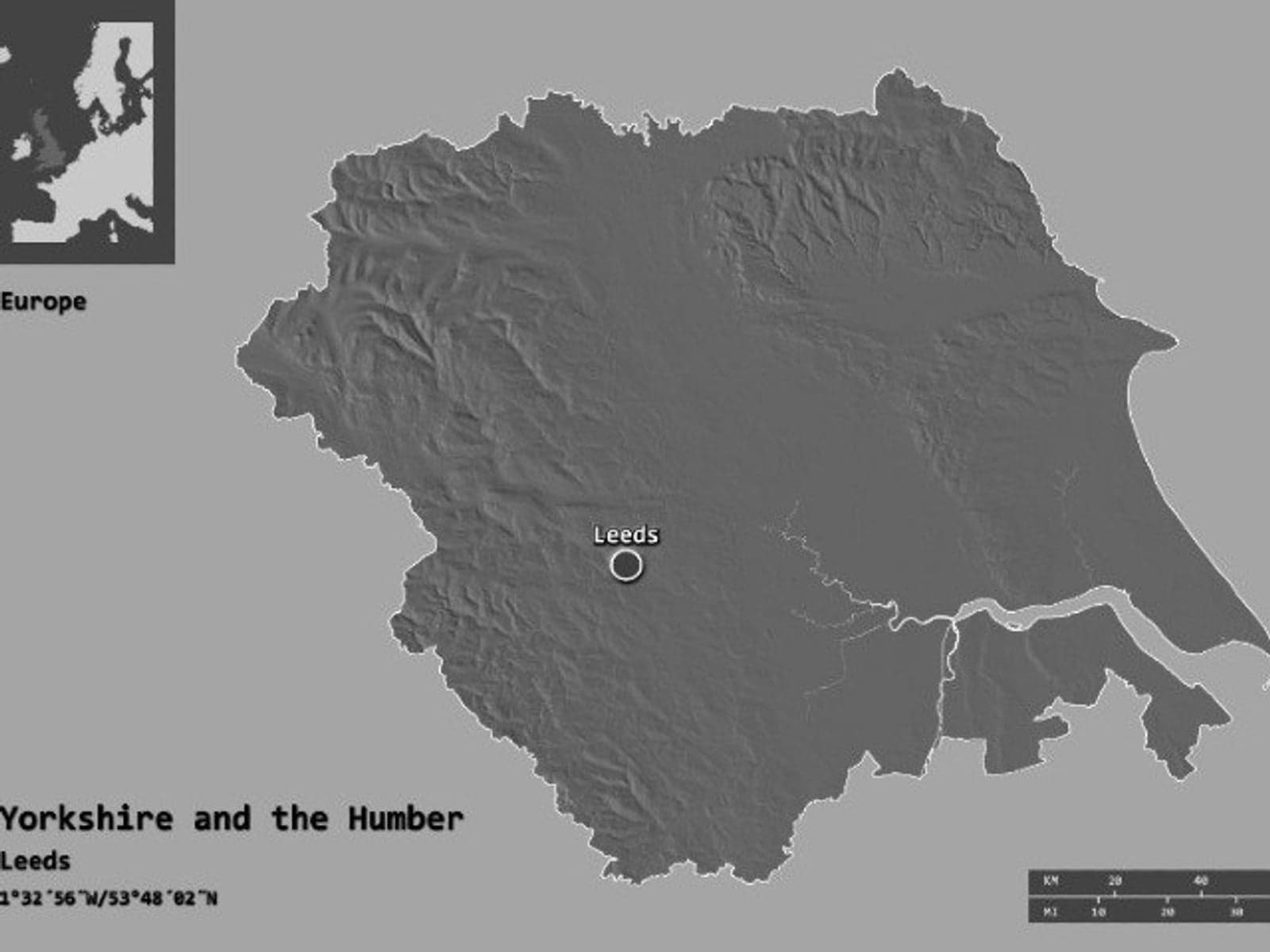
Ørsted has announced a partnership with Lincolnshire and Yorkshire Wildlife Trusts in the UK to help restore the biodiversity around the Humber large tidal estuary on the east coast of Northern England.
The project will invest more than GBP2.5 million ($3.1 million) to restore parts of the Humber and will result in the planting of three hectares of salt marsh and four hectares of seagrass, as well as the creation of a biogenic reef through the introduction of half a million native oysters.
According to Ørsted, the Humber Estuary’s conservation status was recently downgraded due to pollution, loss of habitat and disappearing salt marshes.
Reintroducing native species will help restore the estuary and address climate change. Seagrass absorbs carbon from the air and salt marshes can effectively capture and store carbon.
Rebecca Pow, UK environment minister, stated: “Climate change and biodiversity loss are significant challenges, and I welcome the commitment Ørsted is making today.
Also of interest
Old Dutch wind turbine blades get second life as new skis
Ørsted launches Power-to-X facility to fuel Maersk’s e-methanol vessels
“This project in the Humber Estuary showcases the potential for private sector investment alongside support from the public sector. I hope that this is a catalyst for further practical projects that protect and enhance our natural environment."
The first phase of the project will see seagrass seeds planted in four hectares of the estuary, as well as the release of 500,000 native oysters. This will encourage biogenic reefs to form, improving water quality and providing important habitats for marine life.
95% of native oyster reefs have disappeared from the Humber since the early 1900s, states Ørsted, hence the need to rebalance the biodiversity of the area.
Paul Learoyd, chief executive for Lincolnshire Wildlife Trust, said: “The lessons from this work could see large-scale restoration across our North Sea, and beyond. These are exciting times that build on the foundations of all the work that partners have contributed.”
The Humber pilot is one of several projects being undertaken by Ørsted to protect biodiversity.
Projects include: a partnership with WWF Denmark to improve the conditions for cod and other marine organisms in the Kattegat strait; rewilding marine life with ARK Nature in the North Sea; the ReCoral initiative in Taiwan.
Benj Sykes, head of environment, consents & external affairs at Ørsted UK, said: “Now’s the time for action on biodiversity. We know that the climate crisis is one of the biggest threats to our biodiversity, and so we must start to implement tangible projects that will help restore nature...
“This project in the Humber Estuary, working in collaboration with experts from the Yorkshire and Lincolnshire Wildlife Trusts, is a fantastic example of how the offshore wind industry can work with local partners to ensure we leave our natural environment in a better state for generations to come.”