Powering biodiversity through electrification
Guest/partner contributor
Posted on: 16 November 2022
Regenerative biodiversity efforts could help solve Europe’s energy crunch, argues Kristian Ruby of Eurelectric.
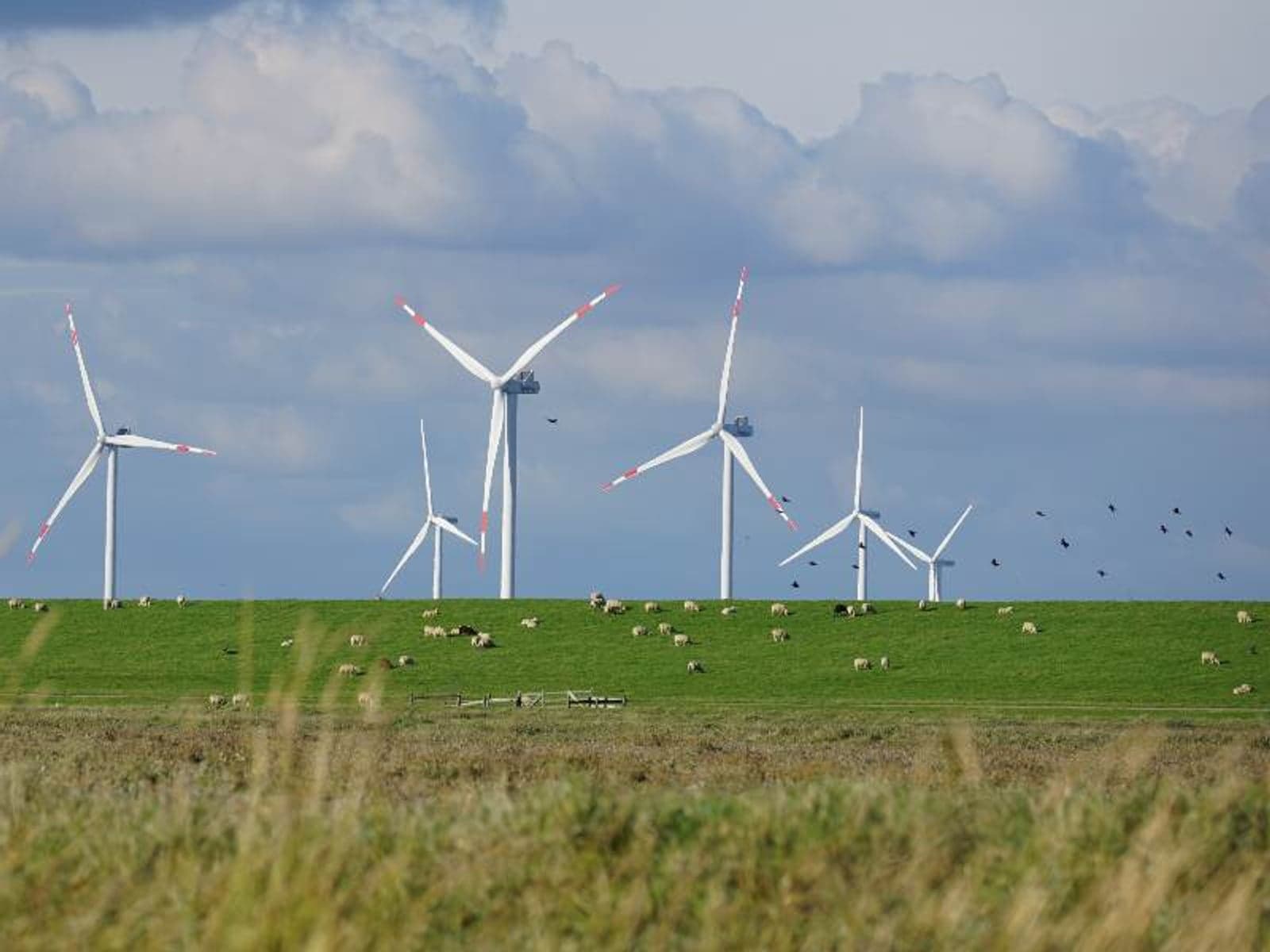
Regenerative biodiversity efforts could help solve Europe’s energy crunch, argues Kristian Ruby of Eurelectric.
Will the EU have enough energy to power its society this winter? That’s the crucial question on everyone’s mind.
As shown by Eurelectric’s Power Barometer, Europe still depends on oil and gas to satisfy 57% of final energy consumption, of which 90% is imported, with Russia as the main supplier.
However, while EU member states are scrambling to fill up their gas storage and find supply alternatives, the main objective should be to accelerate the rollout of clean and renewable electricity to replace our fossil fuel imports and enable the progressive decarbonisation and electrification of the European economy.
The REPowerEU plan of the European Commission foresees a historic, unprecedented build-out of renewable energy bringing the cumulative renewables capacity to 753GW by 2030.
Flanked by dispatchable sources such as hydropower and nuclear as well as reinforced grids, this build-out could support an accelerated electrification of economy, with electricity covering as much as 34% of total final energy consumption by the end of this decade. This would, however, require a systemic increase in investments.
Annual investments in distribution grids grew from €27 billion in 2020 to €29 billion in 2021. But to ensure that Europe’s aging networks can optimally function with massive amounts of renewables and at the same time serve an increasing number of heat pumps, electrolysers, smart charging facilities, and storage solutions, investments would have to grow by another 30%.
Investments in power generation need to increase as well. In 2021, around €46 billion was spent for new capacities, but yearly expenditures will have to increase to €59 billion by 2030 and €93 billion by 2050. To enable such ambitious levels, the power sector needs predictable, longterm, stable market-based frameworks and we must avoid distortive ad hoc interventions. This is key to safeguarding investor confidence.
Another major challenge is permitting delays, which is perhaps the single biggest barrier for modernisation and build-out of the power sector. In the EU, the average renewable project waits three to five years to obtain the necessary permissions from public authorities.
Have you read?
Eurelectric unveils four pillars of energy independence and decarbonisation
Kadri Simson says quicker permitting and digitalisation will ease energy crisis
Time to speed up the energy transition says German Energy Agency chief
For grid projects and big generation facilities, the permitting lead times are often even longer – up to eight or even ten years. This is where biodiversity comes into the picture.
A key part of the permitting is about ensuring that nature protection laws are respected when building new energy generation and infrastructure. That’s necessary since 80% of EU habitats are already in poor condition today, degraded by intensive farming, urban sprawl, and pollution. At the same time, the build-out of the power sector is urgent, and not only for reasons of energy independence.
The climate crisis is escalating with devastating impacts across the globe for human societies, but also for ecosystems and natural habitats, with biodiversity loss as an inescapable consequence. Indeed, climate change is expected to become the strongest driver of biodiversity losses by mid-century.
The good news is that the power sector can help to overcome this catch-22.
Electrification, supported by an extensive rollout of renewables, can help restore fragile ecosystems by breaking the cycle of degradation. The key lies in deploying renewable projects in areas suitable for nature preservation and ecological restoration through innovative climate-friendly resource-management practices.
Solar power, for instance, offers many opportunities to create these synergies, as shown in Eurelectric’s flagship report PowerPlant. Floating solar panels in flooded gravel pits and mines, eutrophic lakes, or wastewater treatment plants can limit land use and provide new habitats for marine life by reducing evaporation.
Permitting delays are perhaps the single biggest barrier for modernisation and build-out of the power sector.
Matching high-sun-exposure areas with sun-tracking PVs can both maximise energy generation and contribute to revegetating the soil by containing evapotranspiration.
Moreover, integrating agricultural activities such as beekeeping, regenerative annual cropping, and managed grazing with PVs can boost biodiversity, reduce soil erosion, increase moisture retention, and capture carbon emissions.
Hydropower can also contribute to regenerating biodiversity while providing renewable flexibility by storing power and releasing it during periods of high demand. Hydroelectric plants’ reservoirs can be used for restocking endangered aquatic species and can further protect biodiversity by controlling rivers’ water flows and preventing floods.
Gravel riverbanks and riparian areas serve as new breeding grounds and suitable habitats for fish and birds, while integrated fish ladders assist fish migration to upstream breeding grounds.
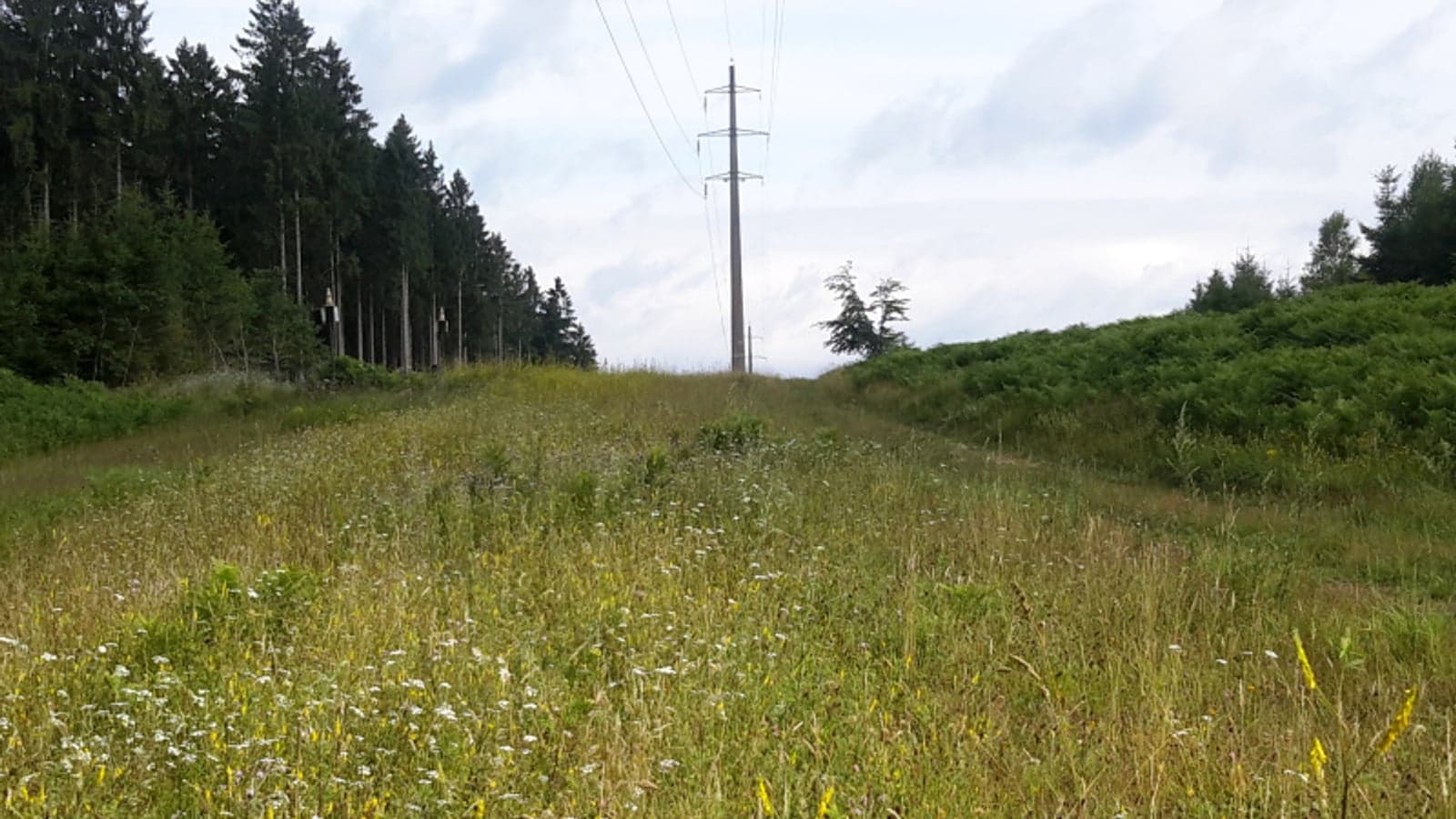
Distribution grids can also become nature-friendly if coupled with ecological corridors, ponds, and bioremediation practices – such as beekeeping, wildflower planting, fungi, and microorganisms – to ensure diversification of mono-cultural zones, remove contaminants, increase plants’ pollination, and enable rare species to colonise the restored environments.
There are already partnerships between distribution utilities and ornithologists to make distribution lines safer for birds. The installation of neutral-coloured deflectors at regular intervals along the lines can in fact protect birds from electrocution and allow the nesting of new species. The list of synergies continues.
What is often holding innovative projects back is a series of regulatory constraints. The Common Agriculture Policy (CAP) of the EU, for instance, indirectly limits the size of agrivoltaic projects as the farmer may lose his hectare subsidy if too much of the land is used for “nonfarming” purposes.
In our report, PowerPlant, Eurelectric identified several barriers, many of which can be attributed to the crosscutting nature of the objectives. A structured framework that seeks to advance projects with documentable benefits for habitats and biodiversity could for instance contain accelerated permitting for certified nature-friendly projects, qualitative requirements for nature protection in tenders, a financial set-aside for biodiversity, rewilding from governmental project-related revenues, and a revision of the rules under the CAP.
At the end of the day, it is about moving beyond the traditional siloed approaches and finding an integrated way to transform the energy system. This task is more urgent than ever.
ABOUT THE AUTHOR

Kristian Ruby is Secretary General of Eurelectric.
Related tags
Latest content
+6
From data to decisions: ECOLOOP powers smart farming with renewable energy
Across Europe, rural communities are facing the dual challenge of increasing agricultural productivity while reducing energy consumption and carbon emissions. The ECOLOOP project, funded by Horizon Europe and coordinated by ETRA I+D, is tackling this challenge head-on.
- Guest/partner contributor
- 23/09/2025