Partners explore next-gen nuclear to green Dutch industry
Pamela Largue
Posted on: 11 November 2025
Atoomcoöperatie and HEXANA will assess industrial applications for sodium-cooled nuclear reactors and thermal energy storage.
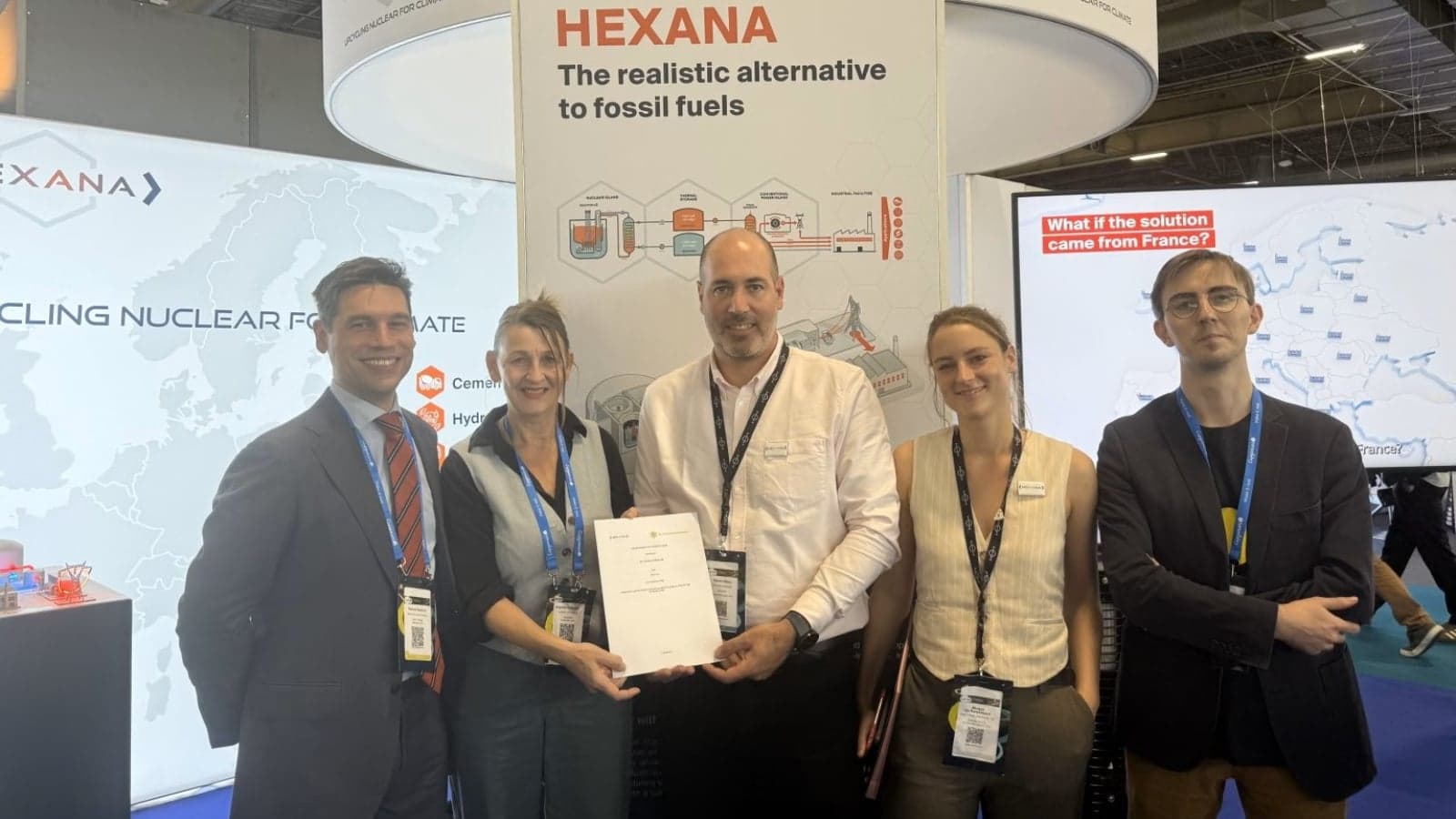
Nuclear technology developer HEXANA and Atoomcoöperatie have partnered to explore the potential development HEXANA’s nuclear platform in the Netherlands.
Atoomcoöperatie, a Dutch cooperative committed to driving nuclear solutions in the Netherlands, will work with HEXANA to assess the feasibility of implementing the system.
HEXANA’s system combines two Generation IV sodium-cooled reactors with a thermal energy storage system.
The solution holds promise for decarbonising hard-to-abate sectors, such as chemicals and steel, as it’s capable of simultaneously producing low-carbon high-temperature heat (up to 500°C) and electricity.
The reactor’s thermal storage capability acts as a stabiliser for the power grid, says HEXANA, compensating for variable renewable sources. The platform’s modularity with intrinsic redundancy also makes it applicable for sensitive systems such as data centres.
Through this partnership, Atoomcoöperatie will work to facilitate stakeholder engagement, align regional and national interests, and cultivate a favourable policy and fiscal environment.
Have you read?
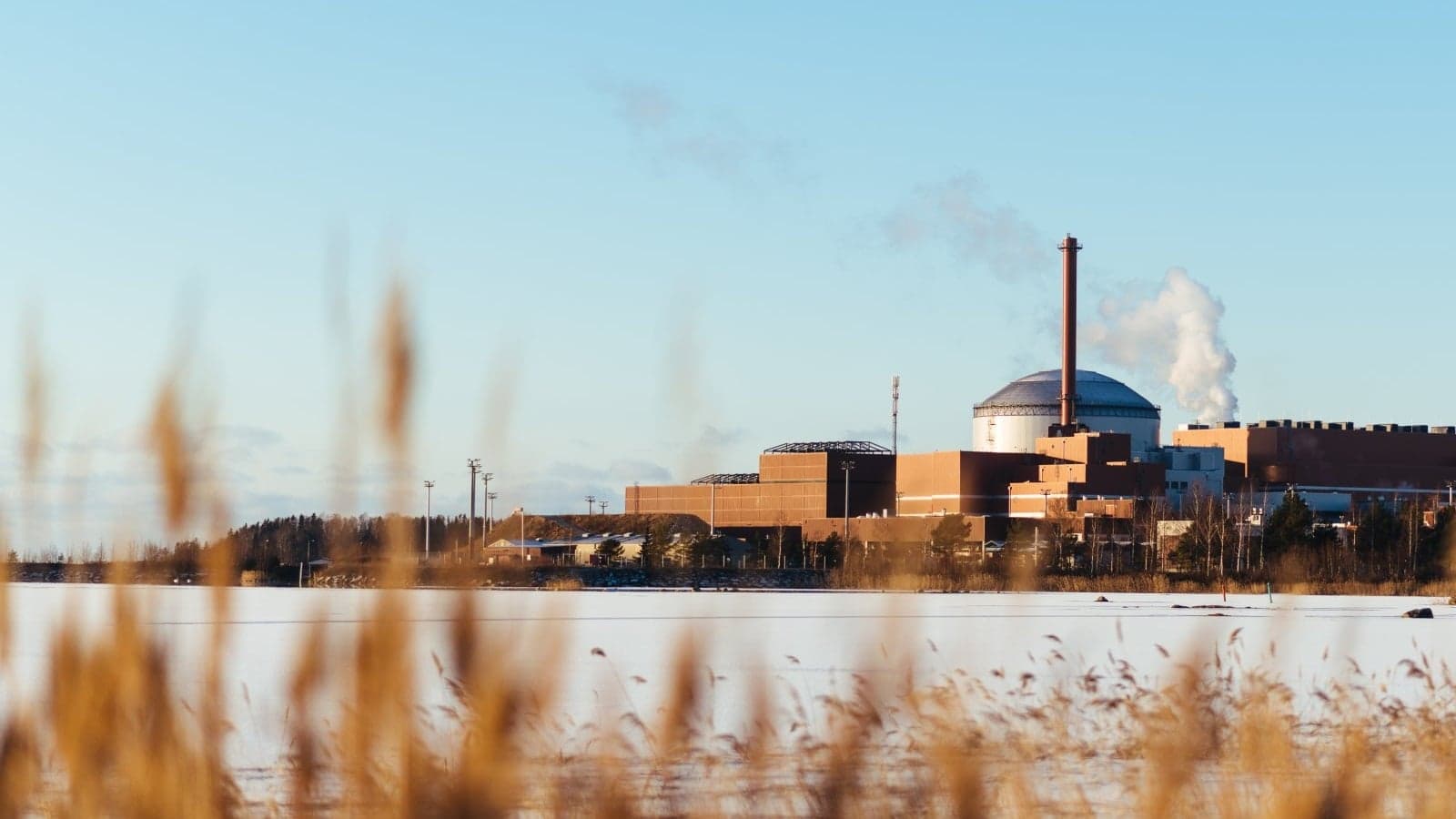
Olkiluoto nuclear plant gets €90m loan for upgrades just two years after going live
Google signs deal with NextEra to reopen nuclear plant
HEXANA chief executive Sylvain Nizou stressed the importance of resilience and energy security. “We chose mature, proven sodium-cooled technology, with six reactors already successfully operated in Europe, because decarbonizing industry is urgent and requires mature, reliable solutions that can also enhance grid flexibility. Atoomcoöperatie’s expertise and deep understanding of the Dutch energy landscape will be instrumental in accelerating our deployment in the Netherlands”.
Chair of Atoomcooperatie, Olguita Oudendijk, added: “Working with HEXANA allows us to translate global reactor expertise into Dutch industrial strength and long-term energy security.”
Dutch nuclear energy
The Netherlands currently has one operating nuclear power plant: the 485MW Borssele plant includes one pressurised water reactor that provides about 3% of the country's total electricity generation.
The plant is scheduled for closure in 2033. However, in 2022 the Dutch government began investigating the option to extend its operational life, as well as building new reactors in the area.
In April 2023, the Netherlands Energy System 2050 Expert Team advised against building new reactors at the Borssele site due to the pressure it would place on the grid.
Over the decades, political commitment to nuclear energy has fluctuated. In December 2021 a new coalition government underscored the role of nuclear in its climate and energy policy, highlighting it as complimentary to renewables.
More recently, however, parties such as Volt, D66, CDA, and ChristenUnie have considered significant cuts to the budget reserved for new nuclear power plants.
An overview by the Dutch Association of Energy Policy Organisations suggests that while political agendas may vary, there is broad consensus that energy independence is highly desirable and that nuclear energy is “mainly embraced”.
Join European Industrial Energy Days, taking place in Rotterdam, The Netherlands, 4-5 March 2026, to learn more about how industries can secure affordable, reliable energy while accelerating decarbonisation.