Perovskite market to reach over $1bn by 2033 states report
Power Engineering International
Posted on: 7 February 2025
The perovskite market is estimated to reach $1170.9 million by 2033| growing at a CAGR of 11.8% from 2024 to 2033.
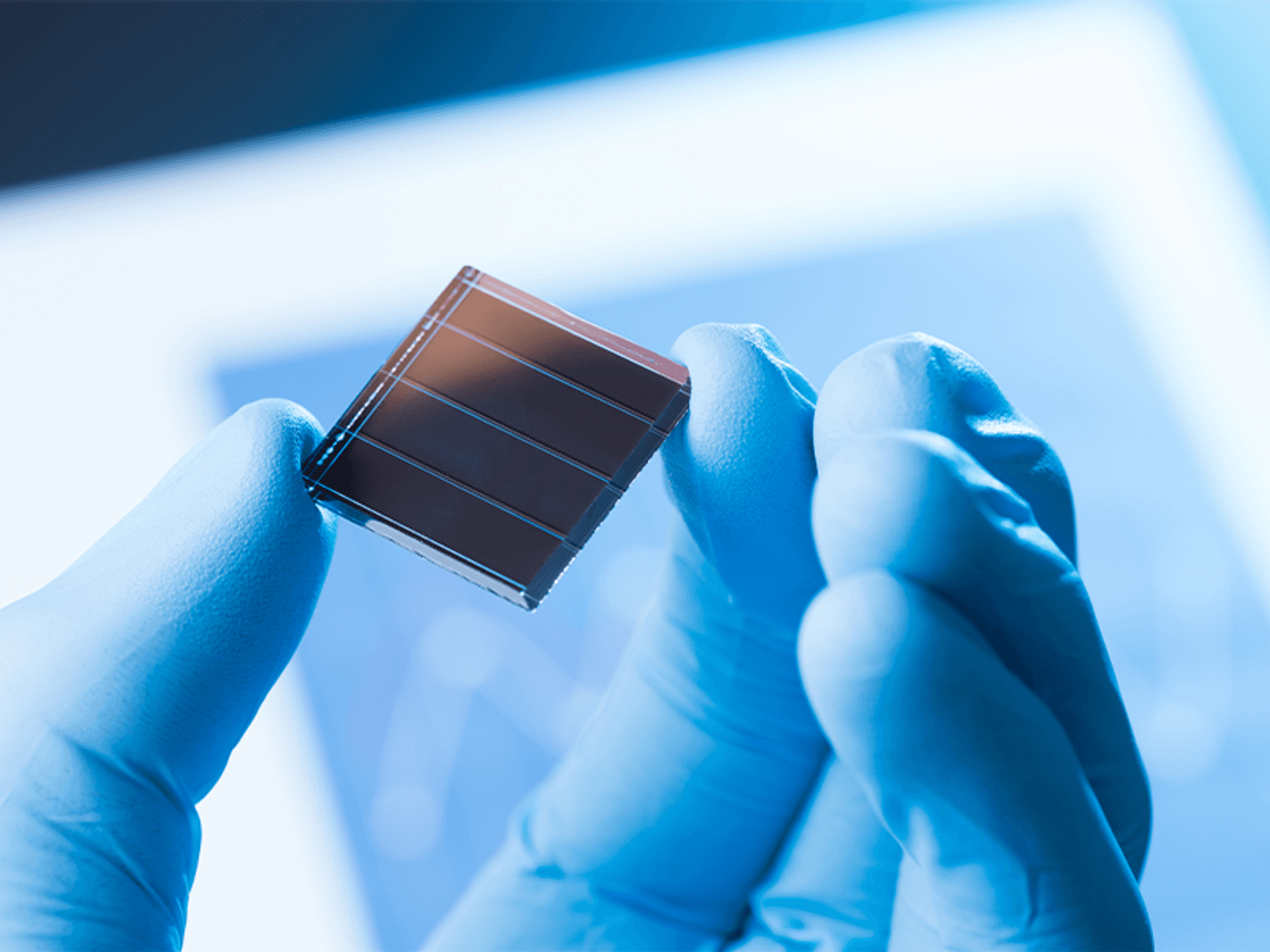
The perovskite market, which was valued at $384.8 million in 2023, is estimated to reach $1170.9 million by 2033, growing at a CAGR of 11.8% from 2024 to 2033.
This is according to the latest report from Allied Market Research, which suggests that market growth will be spurred by the fact that perovskites are aligned with modern infrastructure initiatives.
More specifically, perovskite-based solar technologies, known for their high efficiency and flexibility, are highly compatible with smart grids, enabling real-time energy management and optimised power distribution.
Also, their lightweight and adaptable structure allows easy incorporation into decentralised energy solutions and urban infrastructures. In addition, the synergy with advanced energy storage systems enhances reliability and stability, addressing intermittent issues common with renewable sources.
This alignment positions perovskite solar cells as a key enabler of sustainable, smart energy solutions, driving demand across residential, commercial, and industrial sectors.
Have you read?
LAPERITIVO project launches to advance perovskite PV tech
Oxford PV achieves 26.9% efficiency with residential-size module
Growth challenges
Stability issues in perovskite materials present a significant challenge to the growth of the perovskite market, especially in the context of their application in solar cells and other optoelectronic devices.
Perovskites have emerged as a promising alternative to traditional semiconductor materials owing to their exceptional light absorption, high efficiency, and low-cost manufacturing potential. However, the main barrier to their widespread adoption is their long-term stability. Over time, perovskite materials tend to degrade when exposed to environmental factors such as moisture, heat, oxygen, and ultraviolet light, which significantly reduces efficiency and lifespan.
This instability often results in the breakdown of the perovskite structure, leading to a loss of performance in devices such as solar cells, LEDs, and photodetectors. For perovskite-based solar cells, this degradation is translated to a reduction in power conversion efficiency and the need for frequent maintenance or replacement.
The susceptibility to moisture and thermal degradation is particularly concerning for solar applications, where durability is a critical factor for both commercial viability and consumer adoption.
Segment breakdown
The flexible segment accounted for more than three-fifths of the perovskite market share in 2023 and is expected to maintain its dominance during the forecast period. This significant share is driven by its lightweight nature, excellent mechanical flexibility, and suitability for applications in wearable electronics, portable solar devices, and flexible displays.
By material type, the organic metal halide segment held the highest market share in 2023, accounting for more than half of the global perovskite market revenue and is estimated to dominate during the forecast period.
Organic metal halide segment dominance is attributed to its superior properties, such as high efficiency, tunable bandgap, and cost-effectiveness, making it highly suitable for solar cell and optoelectronic applications.
The organic metal halide segment is anticipated to maintain its leading market share throughout the forecast period, driven by continuous advancements in material science and growing investments in renewable energy technologies.
By application, the light-emitting diodes segment accounted for less than half of the perovskite market share in 2023. Growing adoption of light-emitting diodes in consumer electronics, automotive lighting, and energy-efficient illumination systems further solidifies its market position. The light-emitting diodes segment is expected to maintain its dominance throughout the forecast period, fueled by continuous advancements in perovskite-based LED technology and rising demand for sustainable lighting solutions.
By region, the Asia-Pacific region accounted for more than half of the perovskite market share in 2023. The Asia-Pacific region is expected to continue to maintain its leading position throughout the forecast period due to ongoing technological innovations, government support for clean energy adoption, and increasing demand for efficient, low-cost solar technologies.
In addition, the region's large population and growing urbanisation rates contribute to the increasing need for sustainable energy solutions, further boosting the demand for perovskite-based technologies.
Yerukola Eswara Prasad, manager of Energy and Power at Allied Market Research commented on the report: "The increasing demand for high-efficiency solar energy solutions is significantly boosting the adoption of perovskite materials in various industries. As companies aim to improve energy conversion efficiency and reduce production costs, these advanced materials offer a crucial solution by enhancing the performance of solar cells and other optoelectronic applications. This results in better energy generation, even in low-light conditions, reducing reliance on traditional silicon-based technologies and enhancing overall system efficiency. The ability of perovskites to optimize energy output in challenging environments further drives the demand for the perovskite market."