Pilot to test spherical pumped storage on the US seabed
Pamela Largue
Posted on: 4 November 2024
-
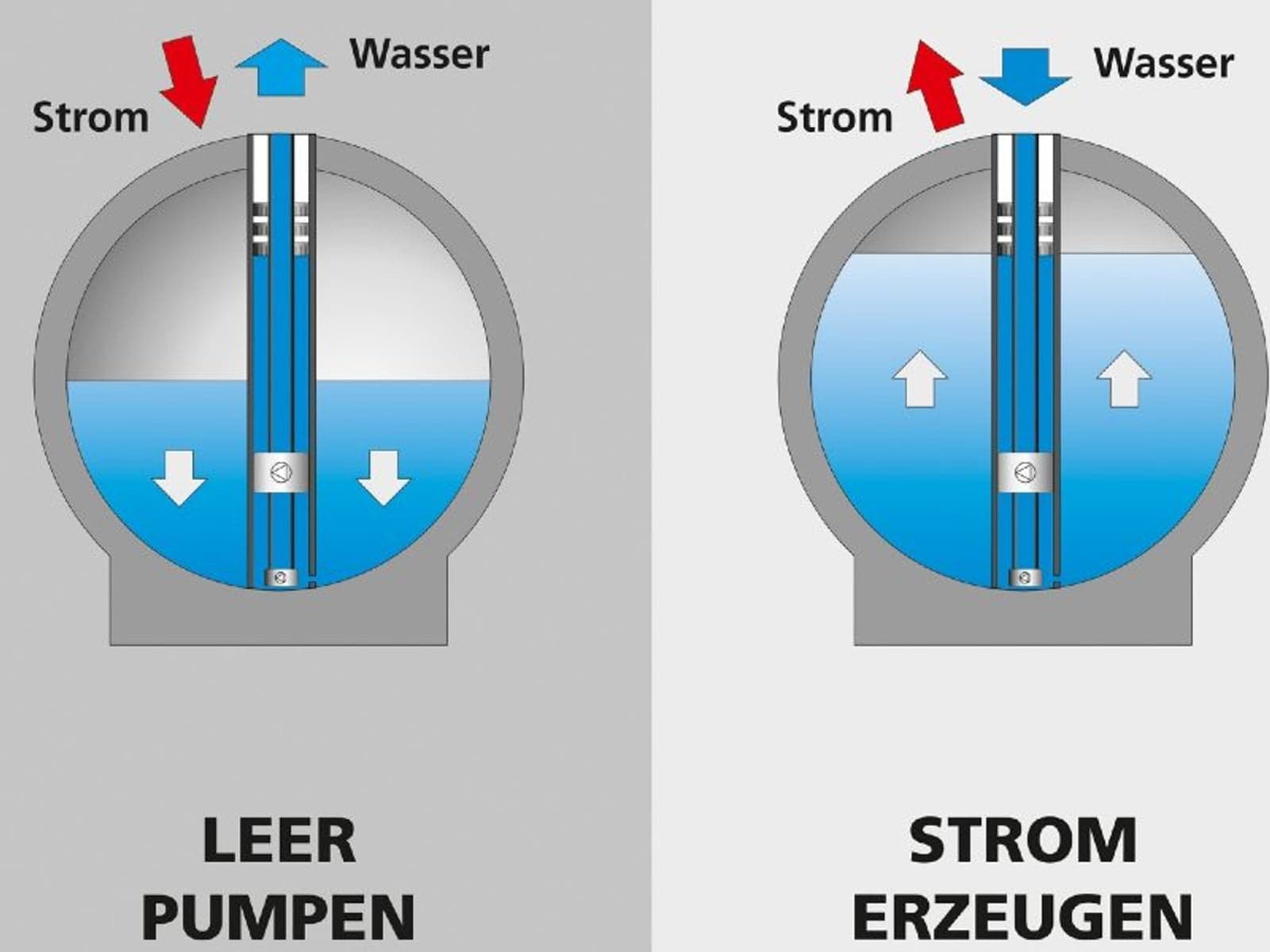
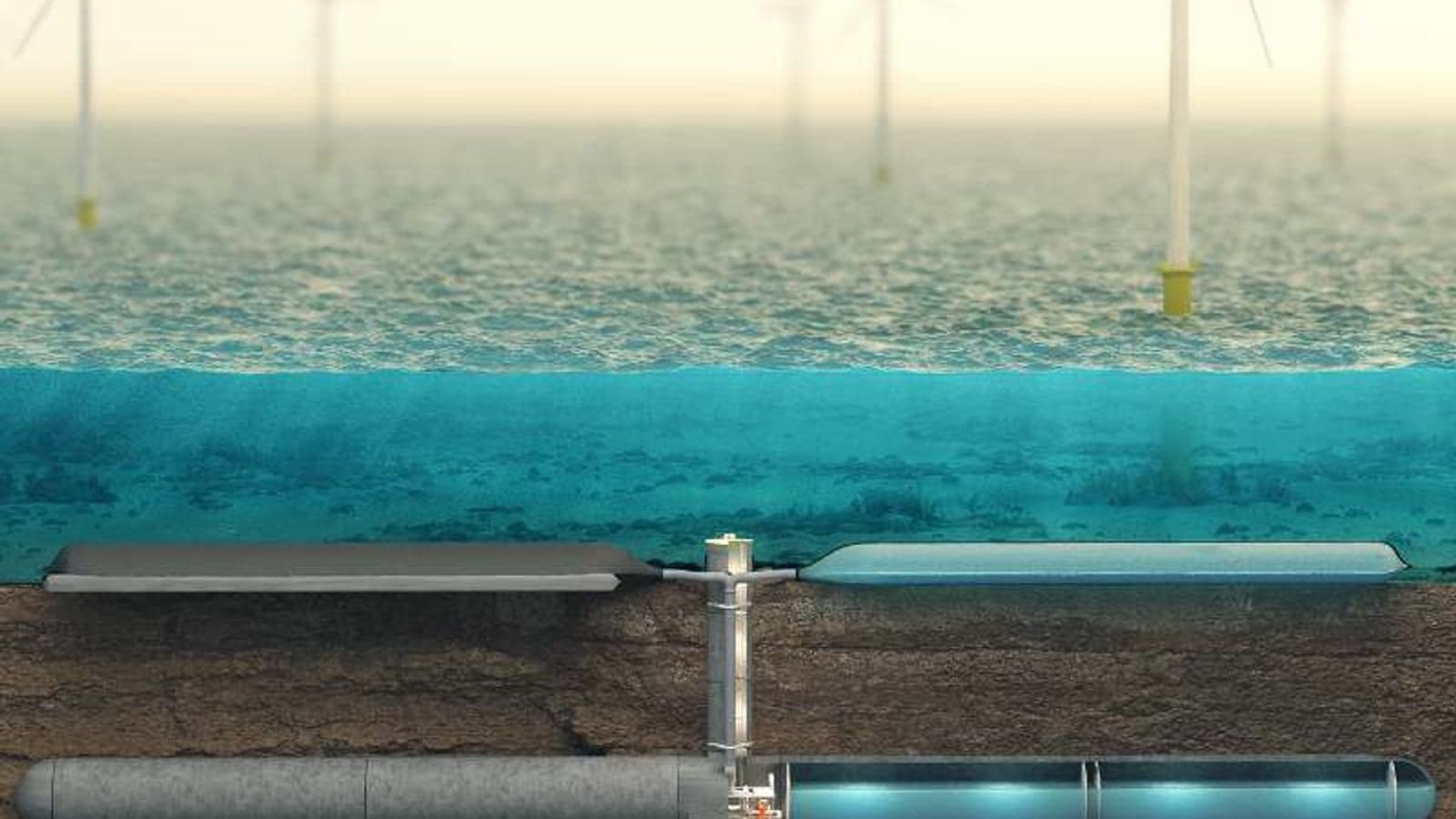
Germany's Fraunhofer Institute for Energy Economics and Energy System Technology IEE has developed a pumped energy storage system for the seabed.
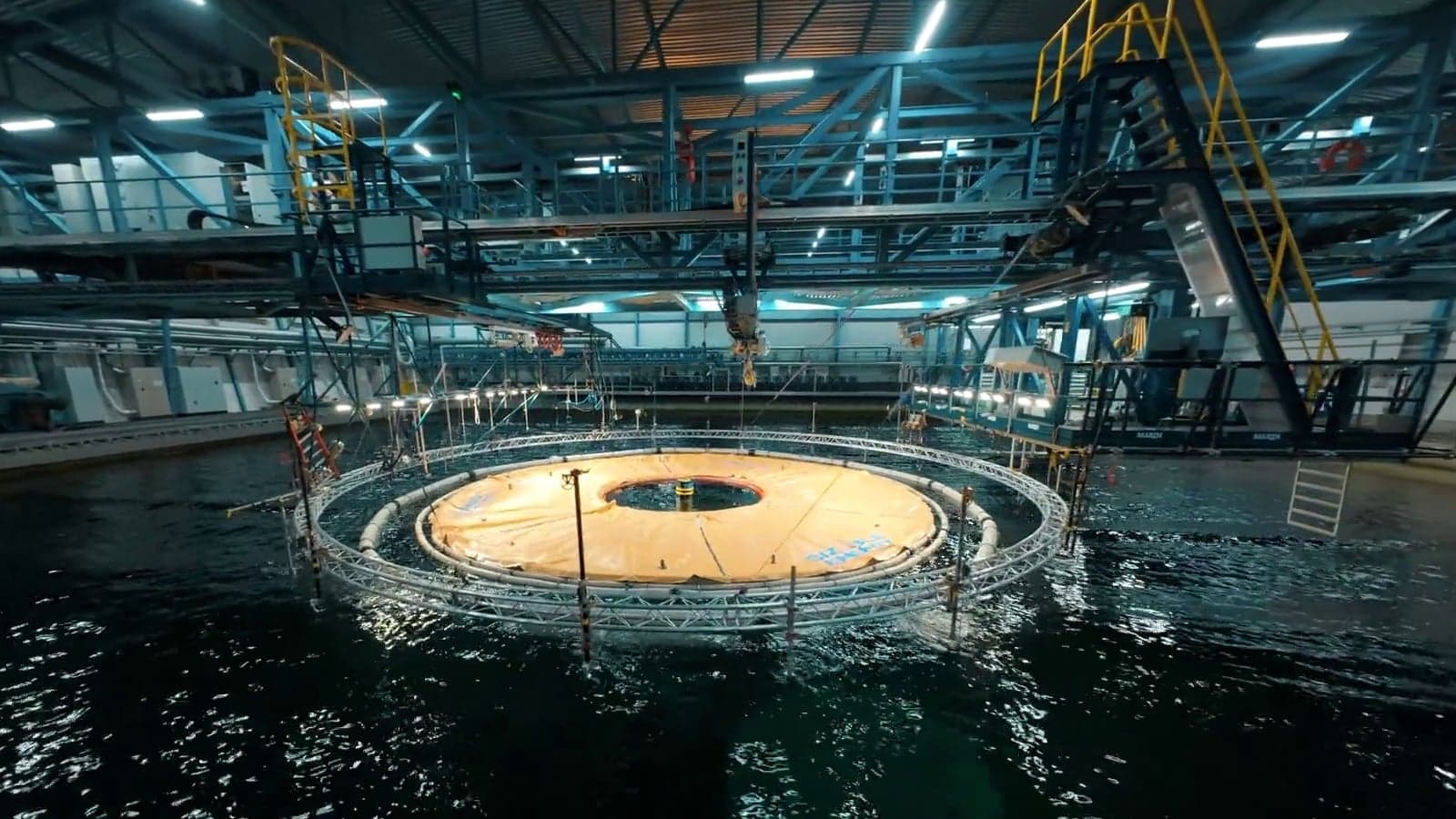
After a successful field test with a smaller model in Lake Constance, Germany, the researchers are now preparing a test project off Long Beach near Los Angeles, California.
Fraunhofer IEE will be working with partners including US start-up Sperra, which specialises in 3D concrete printing for applications in the field of renewable energies, and Pleuger Industries, a Miami-based manufacturer of underwater motor pumps.
The pilot project called StEnSea, will see the team anchor a hollow, 400t concrete sphere with a diameter of nine metres at a depth of 500 to 600m. By emptying the sphere, the storage is charged. When water flows in, electricity is generated – it is discharged. The power of this prototype is 0.5MW and the capacity is 0.4MWh.
Dr Bernhard Ernst, senior project manager at Fraunhofer IEE, commented in a statement: "Pumped storage power plants are particularly suitable for storing electricity for several hours to a few days. However, their expansion potential is severely limited worldwide. Therefore, we are transferring their functional principle to the seabed – the natural and ecological restrictions are far lower there. In addition, the acceptance of the citizens is likely to be significantly higher."
Have you read?
UK adopts ‘cap and floor’ scheme for pumped storage development
Norsk Hydro plans 84GWh pumped storage project for Norway
The project is being funded by the German Federal Ministry for Economic Affairs and Climate Action, as well as the US Department of Energy and will be operational by the end of 2026.
The Californian pilot will be used to investigate and evaluate the manufacture, installation operation, and maintenance of the sphere with a diameter of 30m. Added Ernst, "With the test run off the US coast, we are making a big step towards scaling and commercializing this storage concept."
According to Fraunhofer IEE, there are many potential locations suitable for StEnSea spherical pumped energy storage. Considering parameters like bottom slope, currents, sediment displacement, or distance to land, the team suggests the spherical storage could be installed in large numbers off the coasts of Norway, Portugal, the US East and West Coasts, Brazil or Japan.
The technology is also suitable for deep natural or artificial lakes, such as flooded open-pit mines.