PNNL researchers to lead two Energy Earthshot Research Centres
Riaan Mostert
Posted on: 3 October 2023
Pacific Northwest National Laboratory will lead two separate Energy Earthshot Research Centres in geothermal energy and floating offshore wind.

Pacific Northwest National Laboratory (PNNL) has announced it will lead two separate Energy Earthshot Research Centres (EERCs), in the fields of geothermal and floating offshore wind energy.
EERCs come off the back of the US Department of Energy's Energy Earthshots Initiative, which aims to drive US decarbonisation and support the goal of reducing emissions by 50% by 2023.
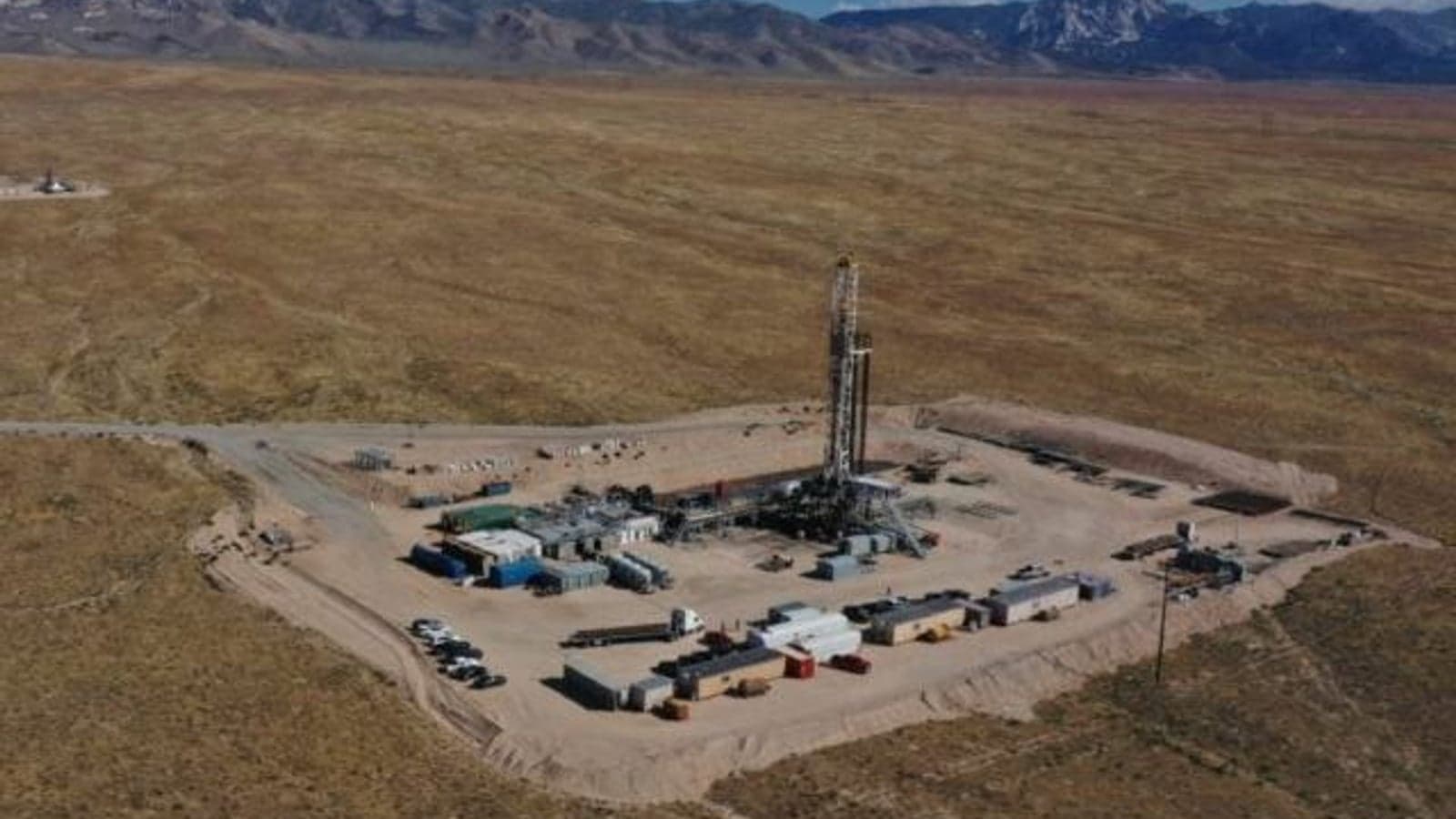
The first centre will be led by chemist, Kevin Rosso who leads the Centre for Understanding Subsurface Signals and Permeability (CUSSP) to advance enhanced geothermal systems with the goal of making them a widely accessible and reliable source of renewable energy.

CUSSP aims to predict and control how water flows through hot rock formations in the subsurface through complex simulations and accurate field measurements.
“Our approach will use sensing measurements from an active field site to find clear links between the detected signals and different physical and chemical processes that control fluid flow,” said Rosso. “This would allow us to learn and ultimately predict what’s happening both now and in the future, based on data from a realistic test site.”

The second centre, led by Earth scientist Larry Berg, seeks to make floating offshore wind a long-term viable energy source through the center titled Addressing Challenges in Energy: Floating Wind in a Changing Climate (ACE-FWICC).
ACE-FWICC will advance the design and control of floating offshore wind turbines and their integration into the grid by incorporating knowledge of weather and ocean conditions.
Have you read?
Project milestone for next-gen geothermal technology
Two US offshore wind projects achieve permitting milestones
“PNNL has spent decades building deep knowledge about the atmosphere/ocean system, controlling wind turbines to optimize power production and turbine lifetime, efficient and reliable operation of the electrical grid, and artificial intelligence and machine learning,” said Berg. “ACE-FWICC allows us to partner across atmospheric and ocean science, wind plant control, and grid integration to help make floating offshore wind cost effective.”
Both PNNL-led efforts include team members at other national laboratories and universities, bringing together the diverse expertise necessary to make meaningful progress toward deploying both enhanced geothermal and offshore wind energy.
The EERCs are funded by the DOE Office of Science and provides each centre with $19 million of funding over a period of four years.