Poland’s PGE signs deals for 1.2GW of new gas-fired capacity
Pamela Largue
Posted on: 9 March 2026
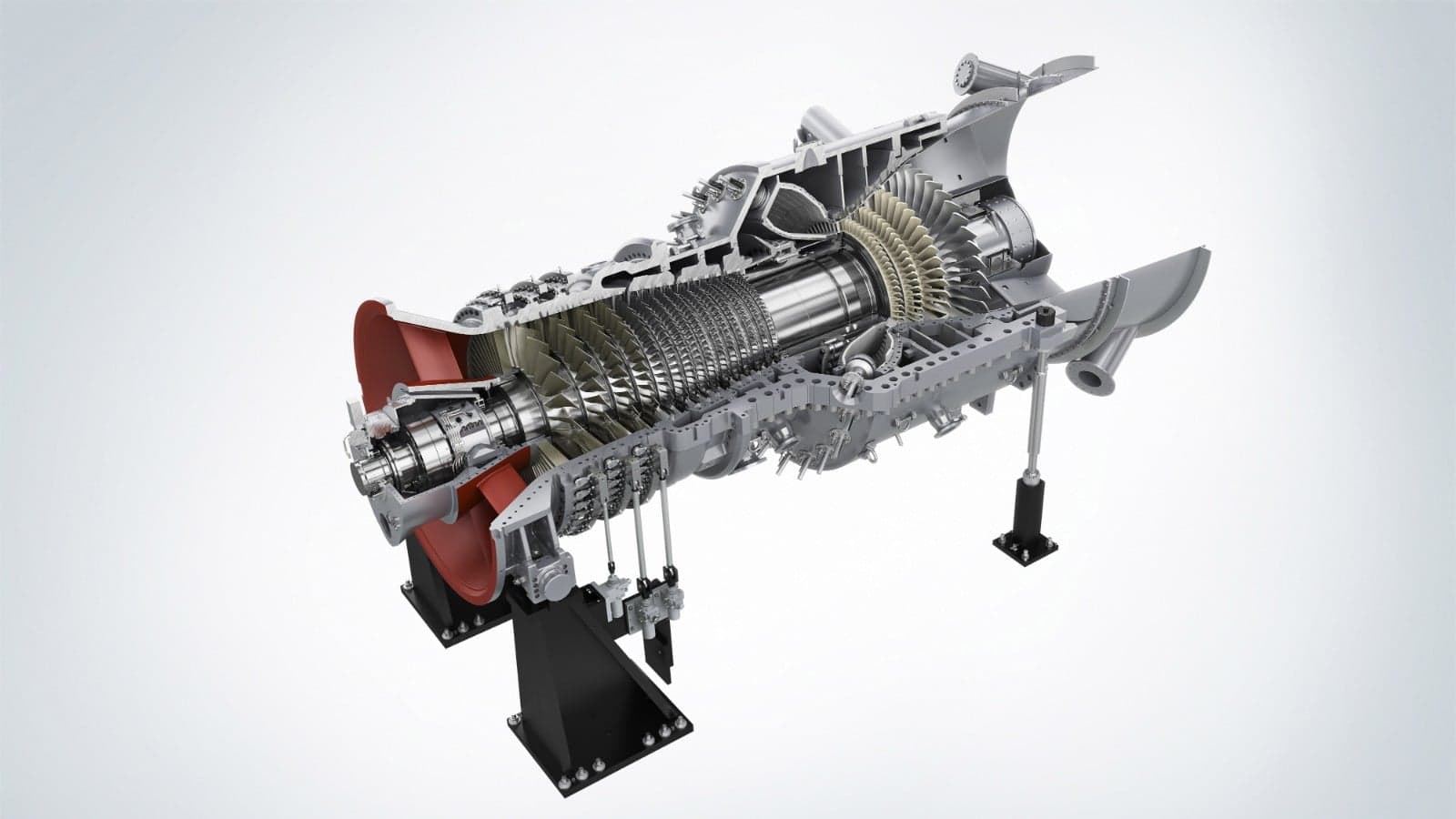
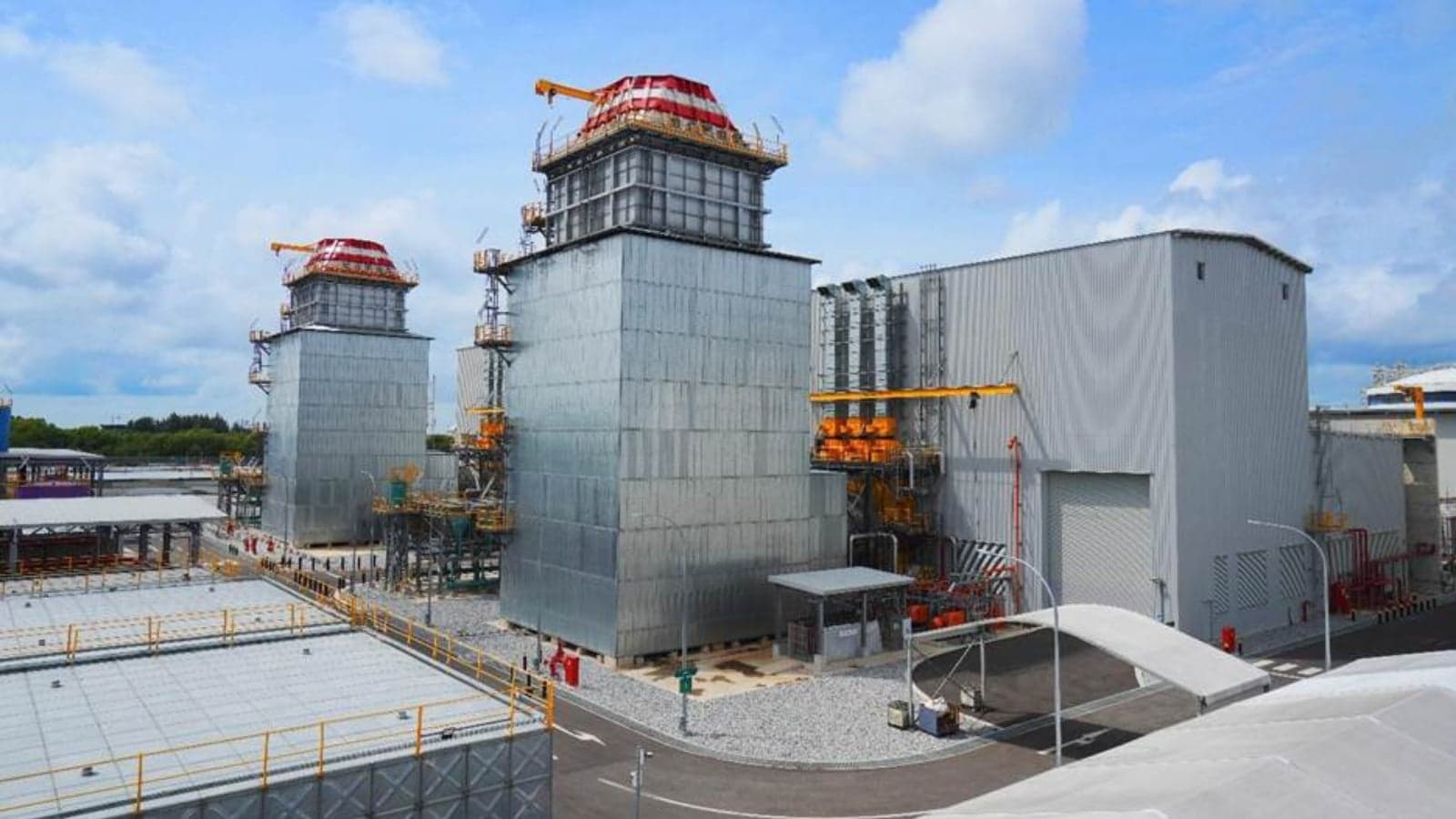
Polimex Mostostal, Siemens Energy Sp. z.o.o. and Siemens Energy Global will be building two open cycle gas turbine plants in Rybnik and Gryfino.
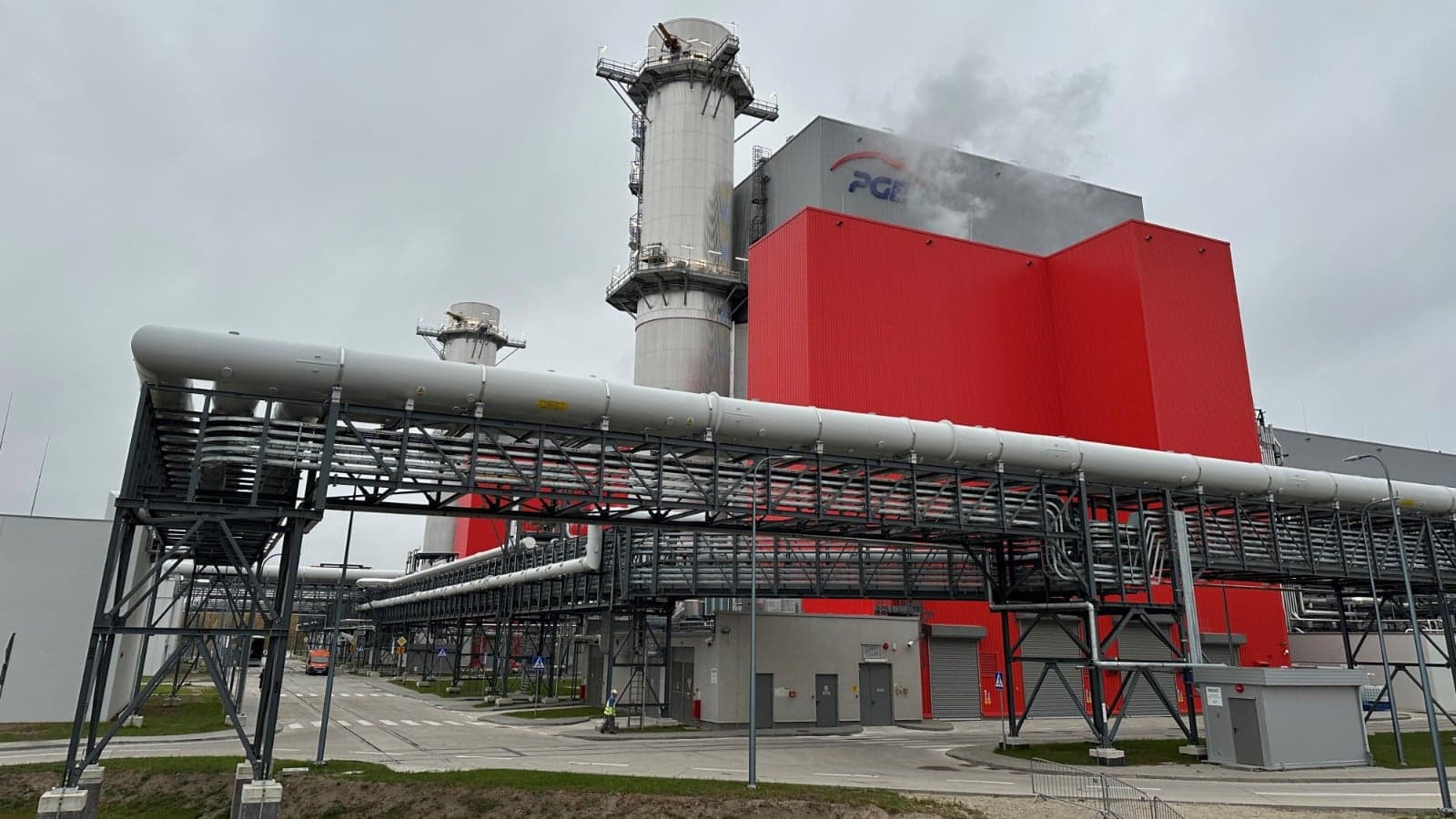
Polish energy company PGE Polska Grupa Energetyczna has signed agreements for the construction of two gas-fired power plants in Poland.
The agreements were signed with a consortium including Polimex Mostostal, Siemens Energy Sp. z.o.o. and Siemens Energy Global.
The first agreement is for construction of an open cycle gas turbine plant in Rybnik. The plant will have an approximate capacity of 600Mwe and is due to be commissioned in January 2030. The EPC contract is valued at €269 million ($311 million) and is coupled with a 12-year, long-term service agreement for the gas turbine valued at €132 million ($153 million).
The second deal is for a 600MWe gas-fired plant in Gryfino scheduled to be commissioned in March 2030. The contract is valued at €260 million ($301 million) and is also accompanied by a 12-year long-term service agreement valued at €132 million.
The construction of new gas assets aligns with PGE’s 2035 strategy, which prioritises flexibility and security of supply. The company is looking to build 10GW of gas-fired power plants in an effort to balance the increasing amount of variable renewables being deployed.
Have you read?
China’s Sungrow picks Poland for first European factory
EDP signs 800GWh PPAs in Poland and Romania
Currently, PGE is investing in 4GW of CCGT technology, including the existing 1366MW Gryfino Dolna Odra power plant, the 882MW Nowy Rybnik power unit currently under construction, as well as the new project in Turów currently in the analysis phase.
The remaining 6GW will be constructed using the OCGT technology, including these units to be built in Gryfino and Rybnik, the power plant under study in Ostrów Wielkopolsk, as well as a number of other locations. According to the Polish energy company, all plants will be designed to burn decarbonised gasses in the future.
Natural gas is considered an important transition fuel for Poland, which still ranks among the world’s most emission-intensive economies, both per unit of GDP and per unit of energy consumption. Only Kuwait, South Africa, Kazakhstan, and China lead in terms of economy-wide emissions intensity.