Precision flow measurement: The cornerstone of smart energy management
Guest/partner contributor
Posted on: 11 June 2025
In smart energy systems, accurate flow measurement is essential for efficiency, sustainability, and cost control.
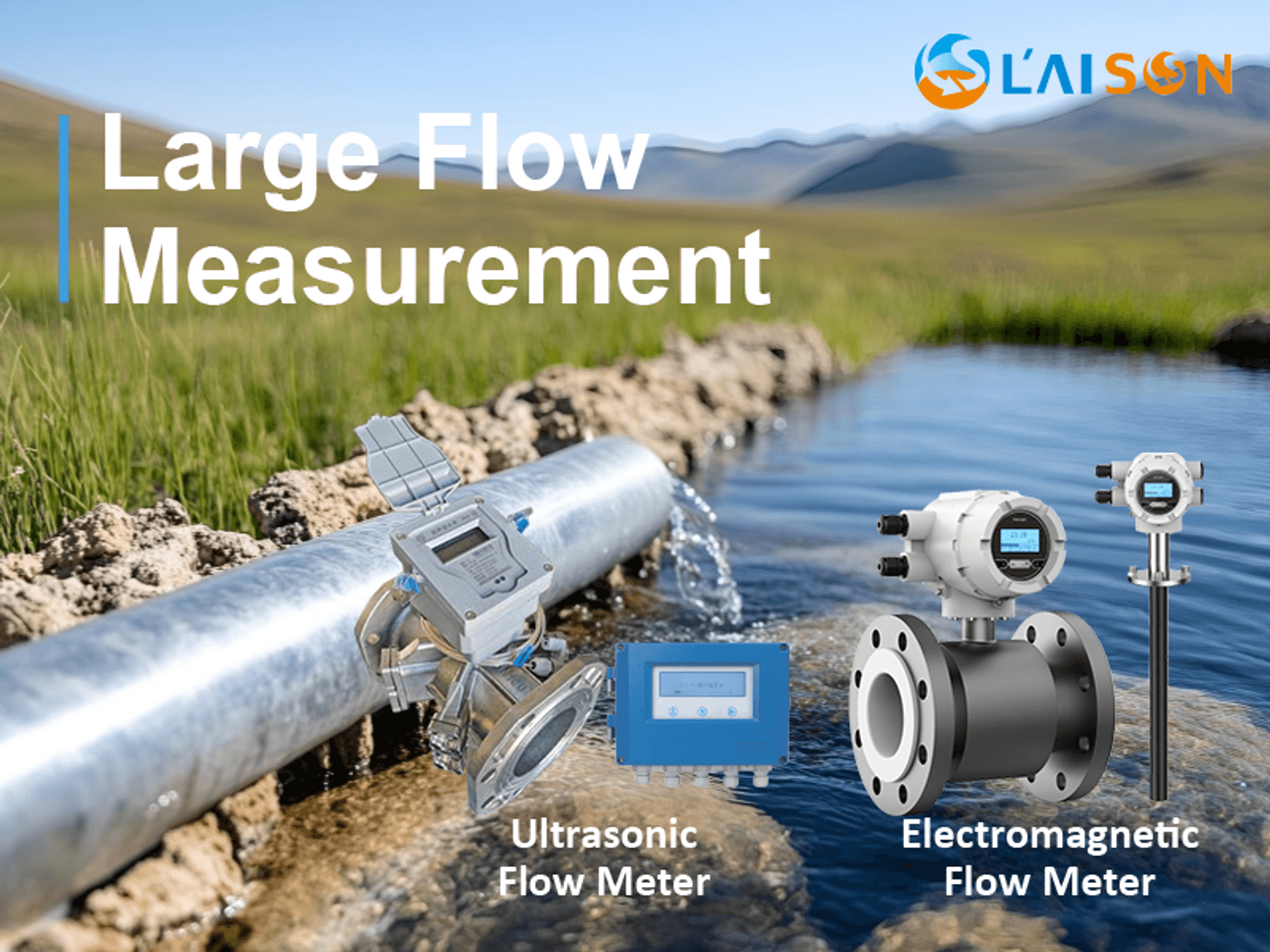
In smart energy systems, accurate flow measurement is essential for efficiency, sustainability, and cost control. From water networks to industrial and district energy systems, large-scale operations rely on precise data to reduce losses and optimize performance.
Electromagnetic flow meters and ultrasonic flow meters offer advanced, high-accuracy solutions—especially for high-volume, large-diameter applications.
Working principles
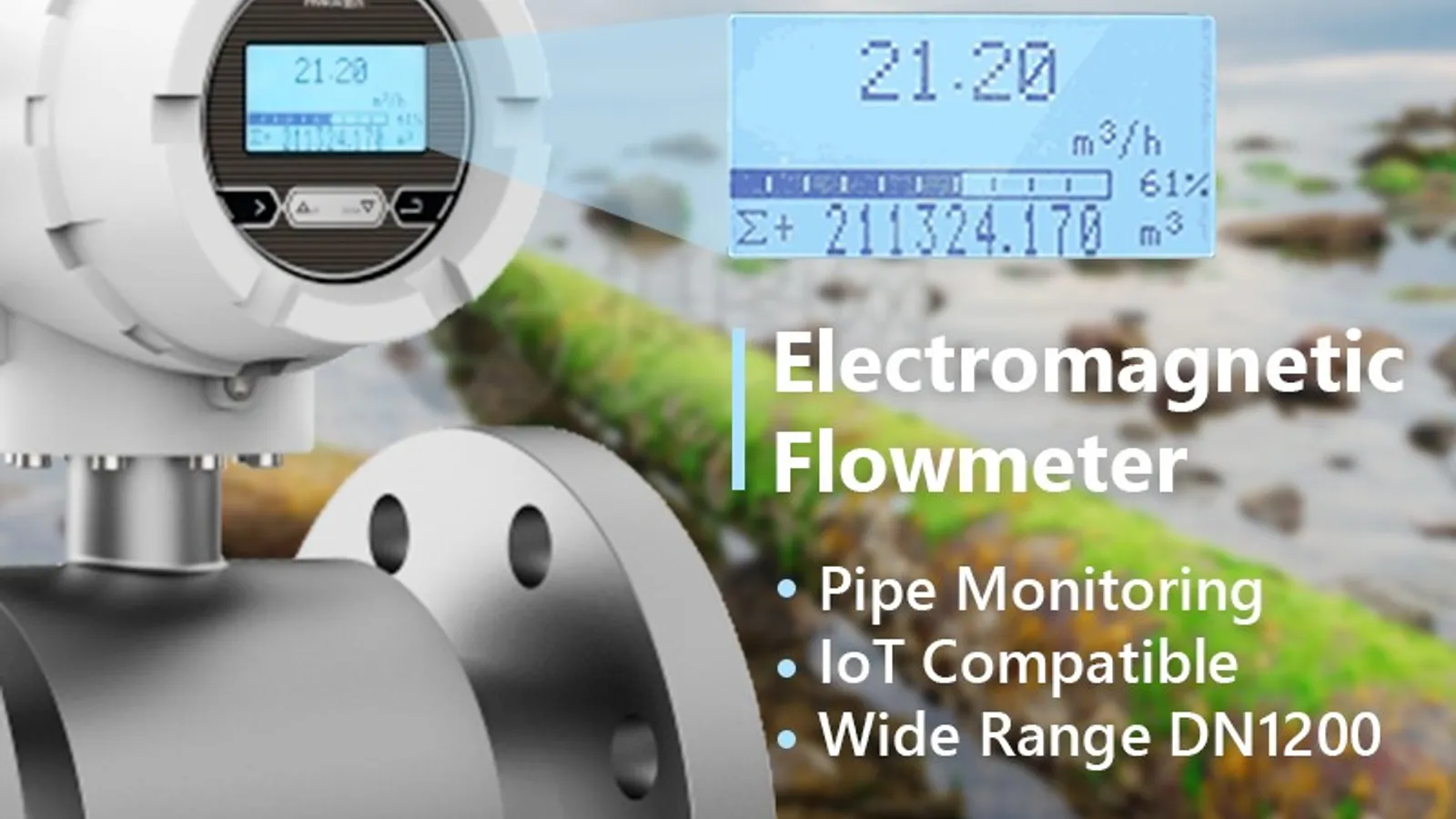
Electromagnetic flow meters operate on Faraday’s law of electromagnetic induction. As a conductive liquid flows through a magnetic field, it generates a voltage proportional to its velocity. This voltage is measured to determine flow rate.
Ultrasonic flow meters use sound waves—typically transit-time or Doppler techniques—to calculate flow based on time or frequency shifts.
Advantages
Ultrasonic flow meters and electromagnetic flow meters both offer robust, non-mechanical solutions for accurate flow measurement at scale. Their shared strengths make them ideal for utility and industrial use:
- No moving parts, reducing wear and maintenance needs.
- High accuracy and long-term stability
- Minimal pressure loss, ensuring energy efficiency.
- Digital output for easy integration with smart systems (SCADA, IoT, AMI)
- Reliable performance in harsh or variable flow conditions
Technical features
Both ultrasonic flow meters and electromagnetic flow meters offer high accuracy and reliability, but their technical characteristics differ in some ways
Ultrasonic flow meters
- Conductive and Non-conductive fluid measurement: Ideal for pure, ultra-pure water, and other liquids regardless of conductivity.
- Corrosion-resistant: No electrodes or internal linings, reducing the risk of scaling, corrosion, or contamination over time.
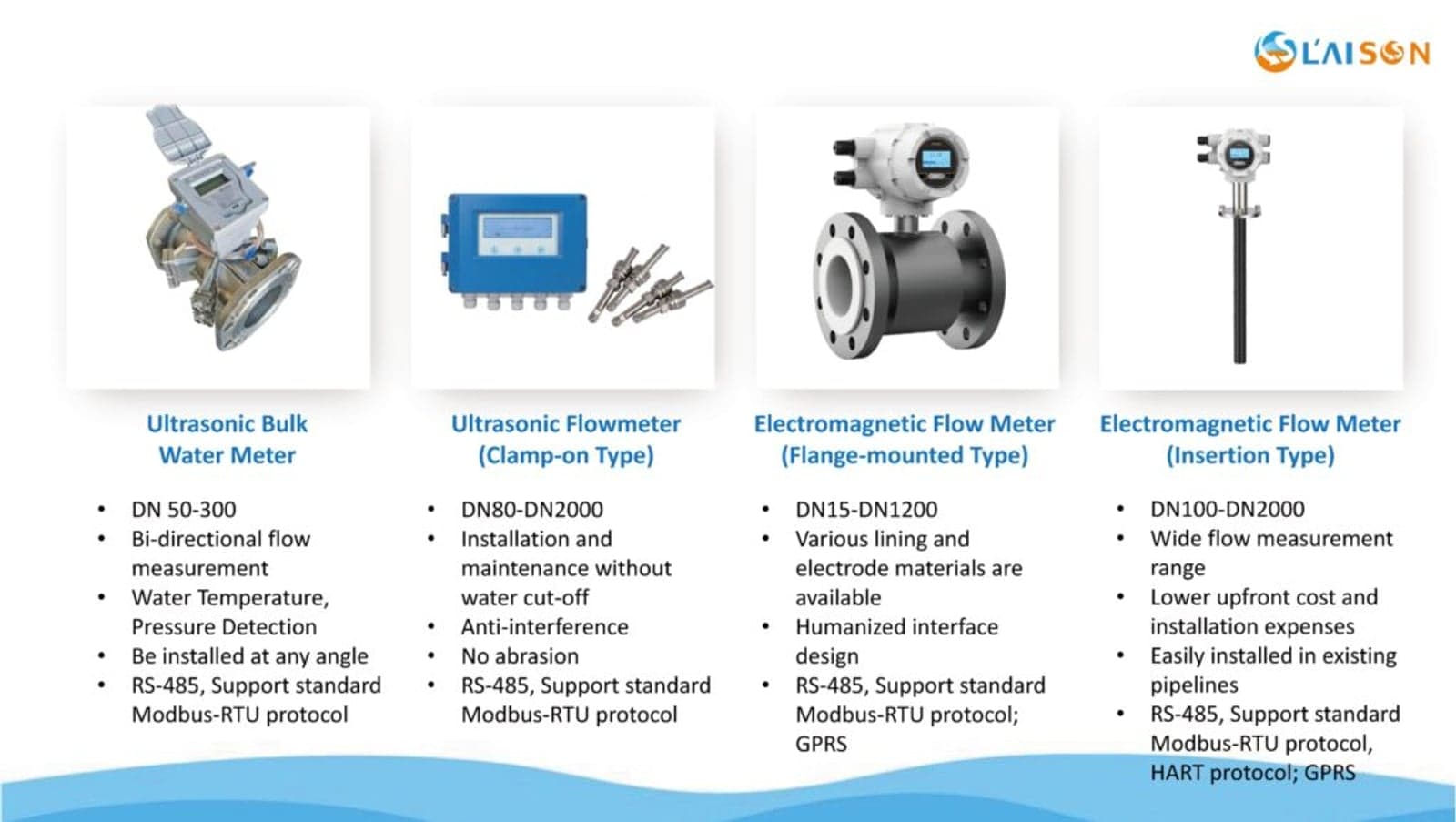
- Non-intrusive measurement options: Clamp-on models available that allow installation without pipe cutting.
Electromagnetic flow meters
- Conductive fluids measurement: Performs well with wastewater, slurry, and corrosive liquids
- Low straight-pipe requirements: Flexible installation with minimal upstream/downstream pipe length.
- Suitable for wide temperature ranges: Different liners and electrodes accommodate various fluid temperatures.
- Mature industrial solutions: Available in flanged, insertion types with a variety of liner materials
Applications scenario
Ultrasonic flow meters and electromagnetic flow meters are trusted across a wide range of sectors:
- Water and wastewater utilities
- District energy and power
- Industrial and chemical processes
- Food, beverage, and pharmaceuticals
- Mining, agriculture, and irrigation
- Oil & gas

LAISON products
To meet the diverse needs of customers across various industries, LAISON offers ultrasonic flow meters and electromagnetic flow meters designed for reliable and accurate performance in different flow conditions.
Driving smarter and more sustainable water management
Electromagnetic flow meters and ultrasonic flow meters do more than measure—they deliver real-time data that powers smart energy platforms. With built-in IoT connectivity, they enable remote monitoring, predictive maintenance, and seamless integration into digital utility networks.
These capabilities support better decision-making, reduce energy loss, and help utilities meet sustainability goals through improved efficiency and resource optimization.