Home
/
Project ODEON: Driving connectivity, security, and consumer empowerment in the digital energy transition
Project ODEON: Driving connectivity, security, and consumer empowerment in the digital energy transition
Guest/partner contributor
Posted on: 7 November 2024
The ODEON project aims to revolutionise the energy system by demonstrating and integrating innovative solutions that create a collaborative ecosystem of stakeholders.
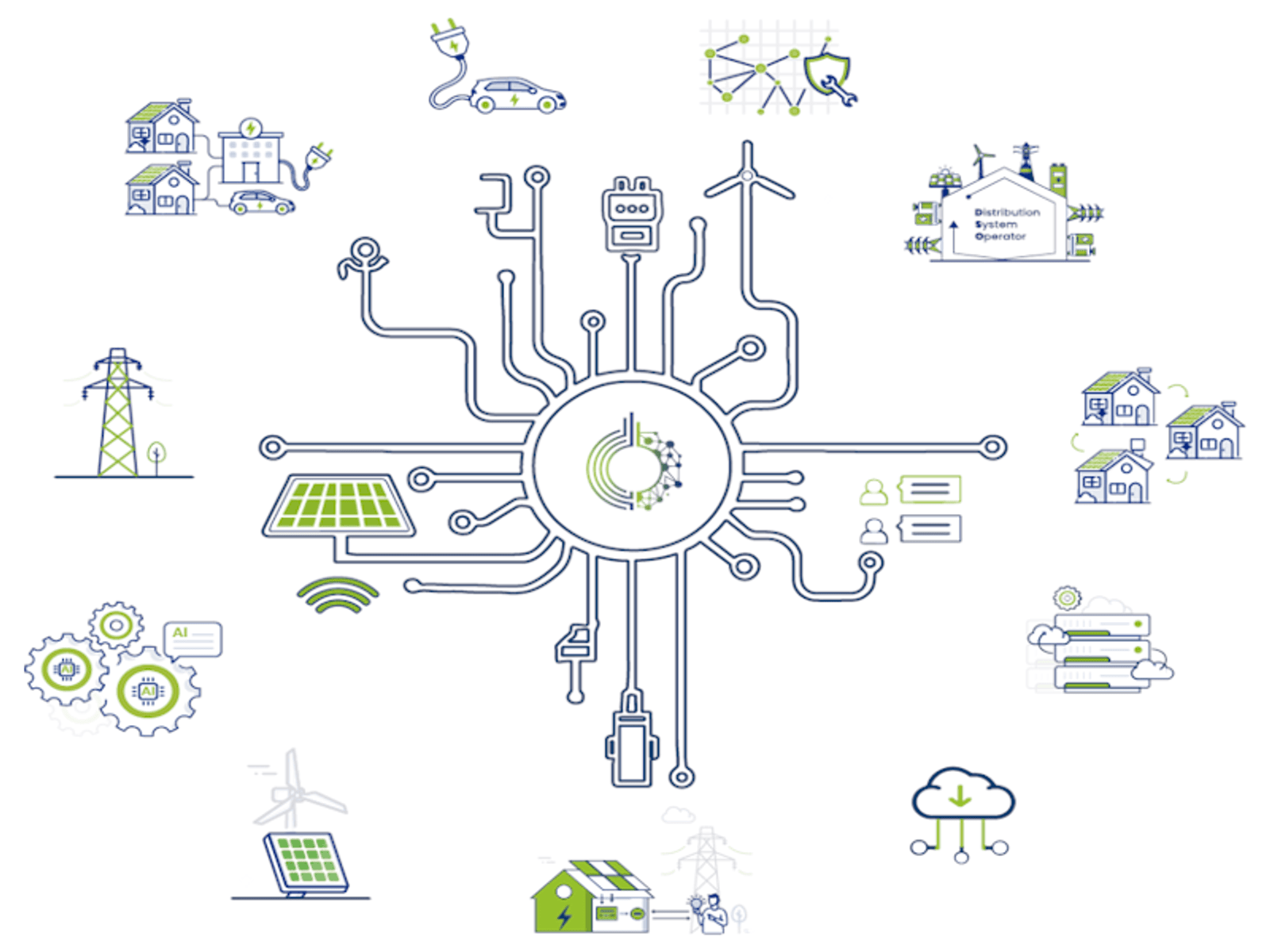
The ODEON project aims to revolutionise the energy system by demonstrating and integrating innovative solutions that create a collaborative ecosystem of stakeholders. This ecosystem is driven by the seamless integration of data, intelligence, services, and market flows.
Funded by Horizon Europe, ODEON focuses on ensuring the resilient operation of the energy system, particularly in response to the growing integration of renewable energy sources (RES) and orchestrates the flexibility of assets located at the system's edges.
Launched in early 2024, the project will run for 4 years with a budget of €22.56 million, marking a significant step toward achieving a sustainable, secure, and competitive energy supply.
Coordinated by ETRA I+D, ODEON brings together a consortium of 34 partners across 13 European countries, poised to make a lasting impact on the future of energy.
Despite significant progress toward the Twin Transition - the simultaneous green and digital transformation - the recent energy crisis exposed the vulnerability of the EU's energy system and its reliance on external energy sources.
This underscores the urgent need to accelerate the integration of RES across electricity, transport, and heating sectors.
Achieving this requires a transformation from a centralised, fossil-fuel-based system to one that is energy-efficient, RES-based, and interdependent, with a high level of flexibility provided by distributed energy assets.
ODEON's Innovations and Impact
ODEON is designed to foster connectivity, interoperability, and seamless data exchange between various energy sector stakeholders, with a strong emphasis on data privacy and protection. It advocates for increased investment in electricity grids to build a smarter, more resilient system, complemented by the accelerated deployment of digital technologies.
A key focus is on empowering consumers, particularly vulnerable groups or those with limited digital skills, to actively participate in the energy transition, both online and offline.
Moreover, ODEON aims to shield consumers from rising energy prices, while simultaneously enhancing cybersecurity, addressing the energy consumption of digital technologies, and promoting greater efficiency and circularity in the energy sector.
Ultimately, it seeks to establish a coordinated EU-wide approach to drive the green and digital energy transition.
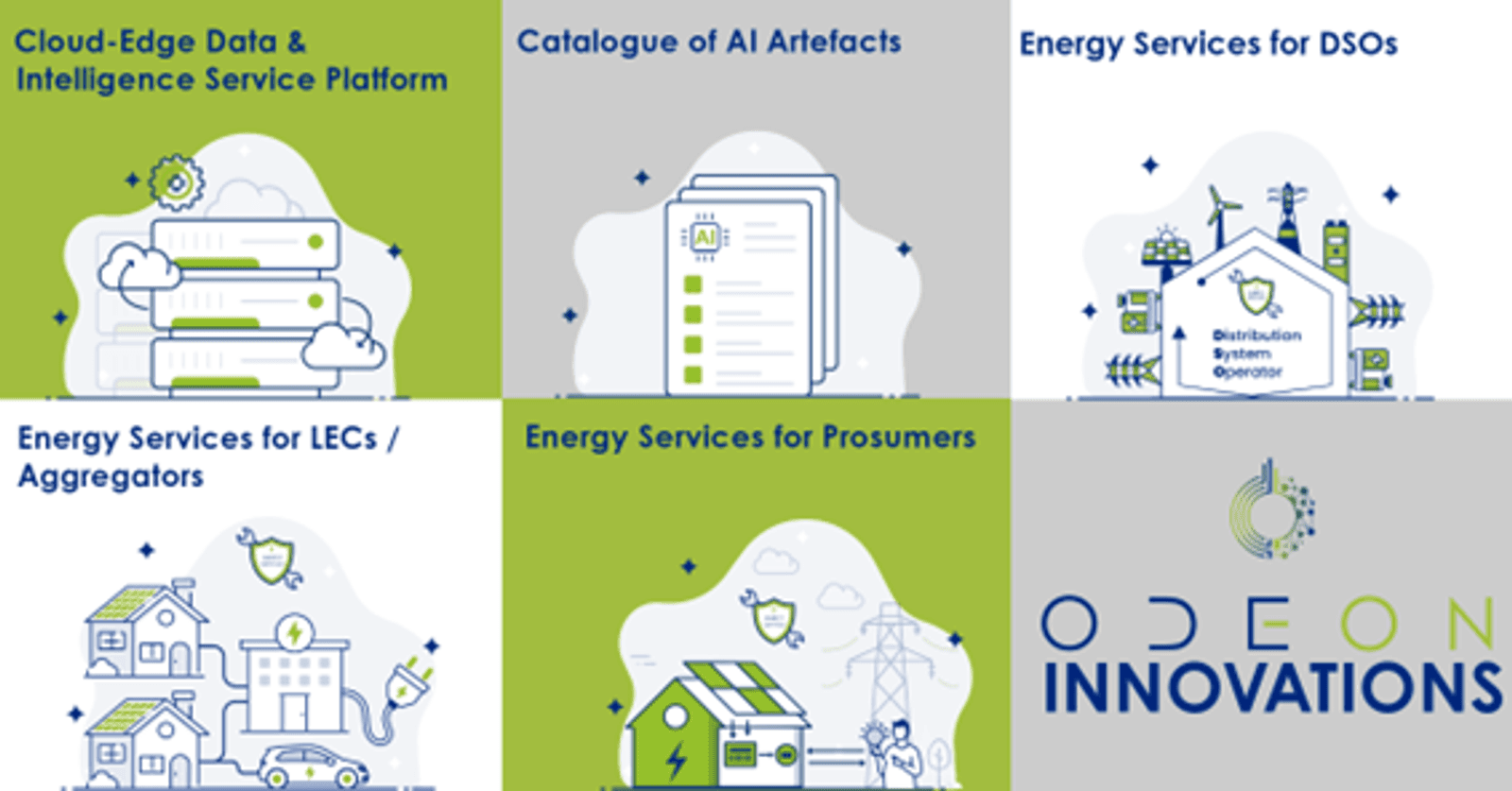
To achieve these goals, ODEON provides a Cloud-Edge Data & Intelligence Service Platform that facilitates the integration of the data value chain around energy, Reusable AI Artefacts based on Artificial Intelligence techniques, addressing a wealth of energy value chain stakeholder’s needs, and ensures network resilience for Distributed System Operators (DSO).
But also, it supports cost reduction and autonomy for Local Energy Communities (LECs)/Aggregators and enables transparent energy transactions for prosumers through tailored marketplaces.
ODEON showcases its innovation through five large-scale demonstrators in Greece, Spain, Denmark, Ireland, and France.
The demonstrators involve a diverse range of energy sources, networks, IoT infrastructure, systems, and assets, which are implemented across heterogeneous, climatic, geographic, and socio-economic conditions and sizes. This diversity facilitates replicability, scale-up, and eventual market launch after the project ends.
Thanks to these innovations, ODEON has the potential to revolutionize the energy system through its Cloud-Edge Data and Intelligence technologies. These technologies foster inclusivity, collective intelligence, and increased engagement from citizens, prosumers, and LECs, contributing to the decarbonization and resilience of the energy sector.
By leveraging data from diverse energy actors, ODEON enhances grid management, integrates more RES, and significantly reduces CO2 emissions. Additionally, through increased data availability and transparency, ODEON creates a new economy around energy data exchange, ensuring trust and interoperability across the energy value chain.
Living Labs: Engaging Users at the Core
Central to ODEON’s success is its focus on end-users—energy prosumers and stakeholders across the energy value chain. Understanding their needs, preferences, and challenges is critical to ensuring the project’s solutions are both effective and widely applicable.
ODEON partners are committed to co-developing technologies alongside users and stakeholders to achieve meaningful results. By involving these groups early and often in the development process, the project ensures that the technologies it produces are aligned with real-world needs.
To facilitate this engagement, ODEON is organizing a series of in-person Living Lab workshops across the five demonstration sites. These workshops are designed to gather feedback and insights directly from users. Two types of Living Labs will be conducted: B2B Living Labs, where the energy value chain stakeholders are involved and B2C Living Labs, focusing on energy prosumers.
In addition to the in-person workshops, ODEON is launching a Virtual Living Lab, an online platform that facilitates ongoing dialogue between project partners and stakeholders.
The Virtual Living Lab offers several advantages: it is not limited by location, allows for continuous interaction, and can engage different groups separately. This dynamic platform enables stakeholders to provide real-time feedback, enhancing the iterative development process and ensuring the solutions are responsive to evolving needs.
Related tags
Most popular
Join the community for freeAnd get access to all content
Related projects
ODEON
+2
1 January 2024 - 31 December 2027
View project