Renewables not to blame for Iberian power outage say experts
Pamela Largue
Posted on: 30 April 2025
After a power outage hit Spain and Portugal| many have expressed concerns that the large amounts of renewable energy in the Iberian system could be to blame

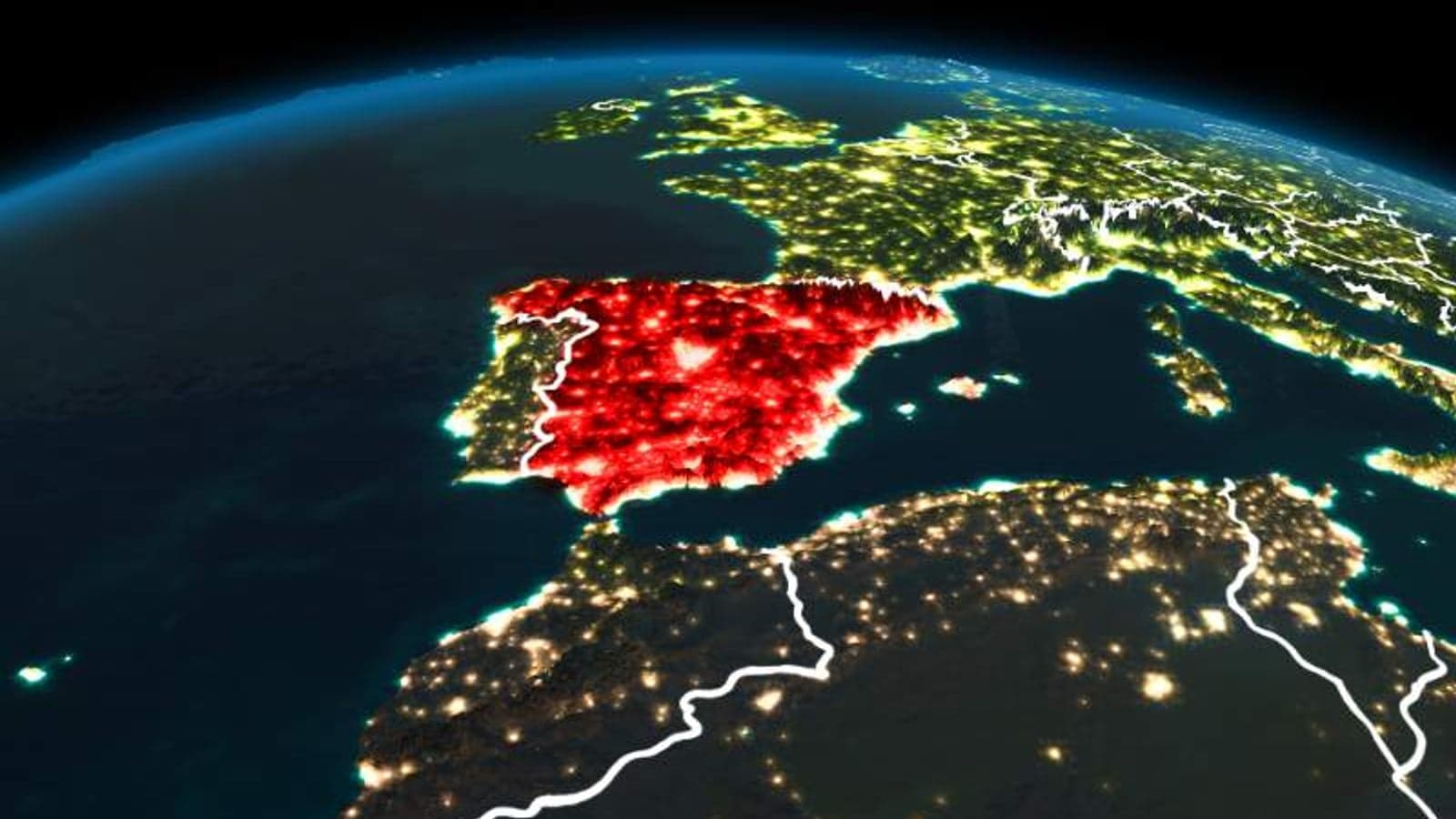
After an unprecedented power outage hit Spain, Portugal and parts of France, many have expressed concerns that the large amounts of renewable energy in the Iberian system could be to blame for the blackout. However, experts from Renewables Foundation and the University of Strathclyde disagree.
The exact cause of the grid collapse is not yet known, but at 12.33PM on 28 April, electricity generation in Spain dropped rapidly from around 27GW to just over 12GW. The sudden drop in grid load destabilised electricity flows, resulting in the peninsula-wide power outage.
At the time of the incident, Spain and Portugal were sourcing about 80% of their electricity from solar and wind, leading some to speculate that the grid could have been overloaded with renewable energy.
While renewables are well known for being more intermittent than their traditional counterparts, the consensus amongst the majority of commentators is that the generation source had nothing to do with this week's blackout.
Read more: Spain and Portugal recover from massive power outage
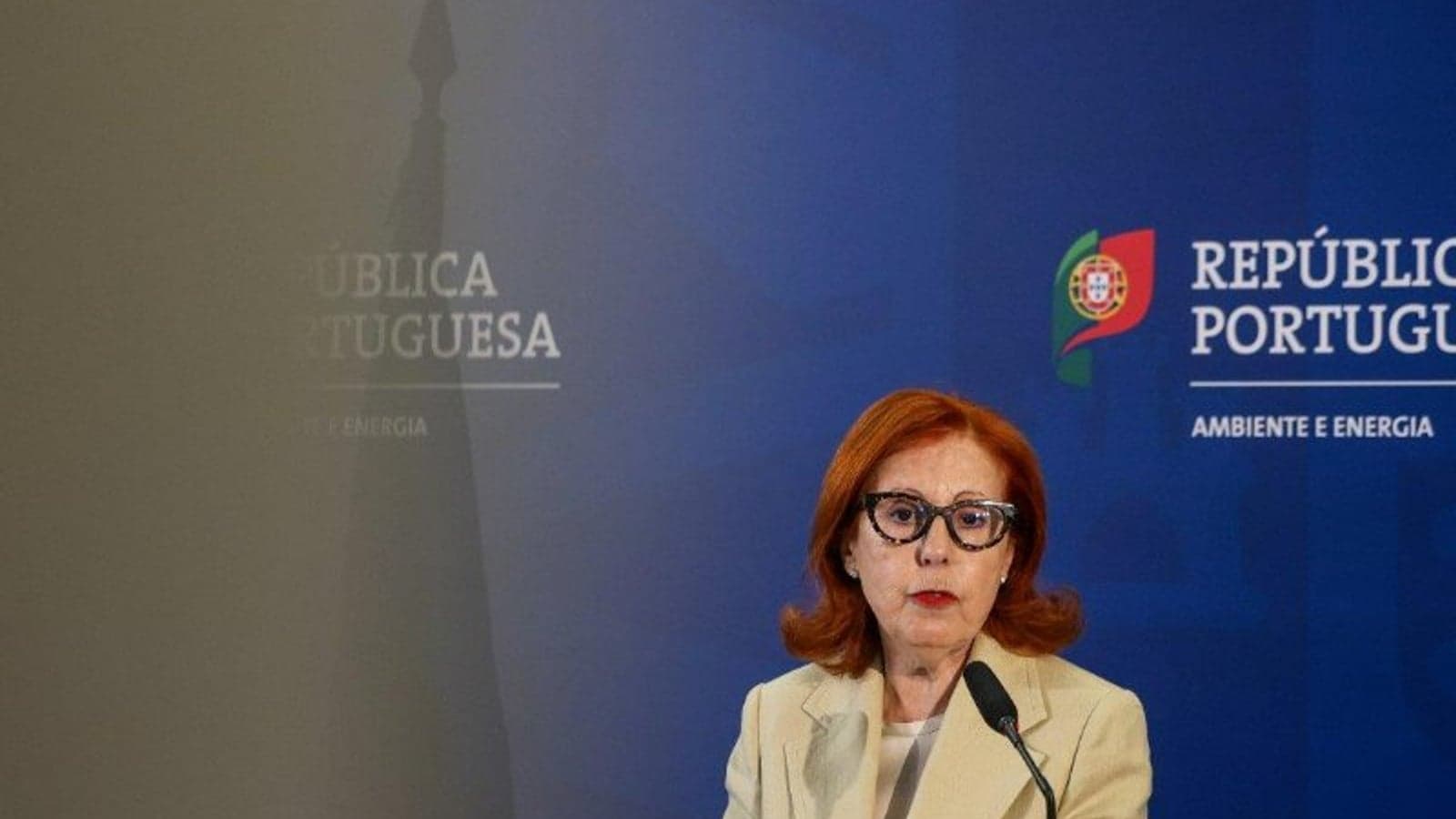
In a speech following the blackout, Spanish Prime Minister Pedro Sanchez emphasised: “There was no problem of excess renewables, nor was there a problem of lack of coverage, of unsatisfied demand”.
Think tank Renewables Foundation issued the following statement in response to those blaming renewable energy for the outage: "There is no evidence or official information demonstrating that renewable energy was the cause of the blackout. The sector acted in accordance with Spanish procedural protocols when an external element fails. This external element is the one that has not yet been disclosed and is being investigated by the Government and Red Eléctrica Española.
"It's important to emphasize that there is no reliable or verified information suggesting that the failure that led to a widespread blackout was caused by any generation technology. The electrical grid and generating plants are separate elements; the disconnection of renewable plants and other generating systems, such as nuclear plants, was not the cause of the blackout; the causes are yet to be determined..."
The Foundation emphasised that it was Spain's reliance on renewable energy, especially the flexibility offered by hydropower, that allowed for a quicker system recovery.
Prof Keith Bell, Professor of Electronic and Electrical Engineering, University of Strathclyde, also weighed in: “Events of this scale have happened in many places around the world over the years, in power systems using fossil fuels, nuclear, hydro or variable renewables. It doesn’t matter where you are getting the energy from, you’ve got to get the engineering right in order to ensure resilient supplies of electricity. Thanks to the design of power systems and well-established system operation protocols, major power outages like this are mercifully rare..."
Have you read?
Queensland’s ‘SuperGrid’ plan to accommodate more renewables
Action needed for large-scale integration of solar and wind – IEA
Dr Grazia Todeschini, Reader in Engineering at King’s College London, said: “Electrical grids are large interconnected systems, and their stability is related to a very close balance between electricity generation and demand. If one area is disconnected, it can cause knock-on effects in nearby areas that may rely on supply (or demand) from the affected area. Some measures exist to limit the impact of outages to small areas, but when the power unbalance is too large, these outages may spread very quickly and very far."
The interconnectedness of the Iberian grid network means that a disturbance in one part of the network can impact other parts quite quickly. Commentators agree that a thorough investigation will be needed before conclusions can be reached regarding the cause.
Commentators are also calling for strengthened investment into grids, as well as hybrid renewables and storage solutions to ensure greater system resilience. Also, more investment needs to be made in intertia, such as synchronous condensers, to offer balancing when needed.