Researchers discover how to stop perovskites from losing performance
Pamela Largue
Posted on: 30 March 2026
Researchers have identified a molecular anchor that can prevent the degradation of solar cells caused by temperature swings known as thermal cycling.
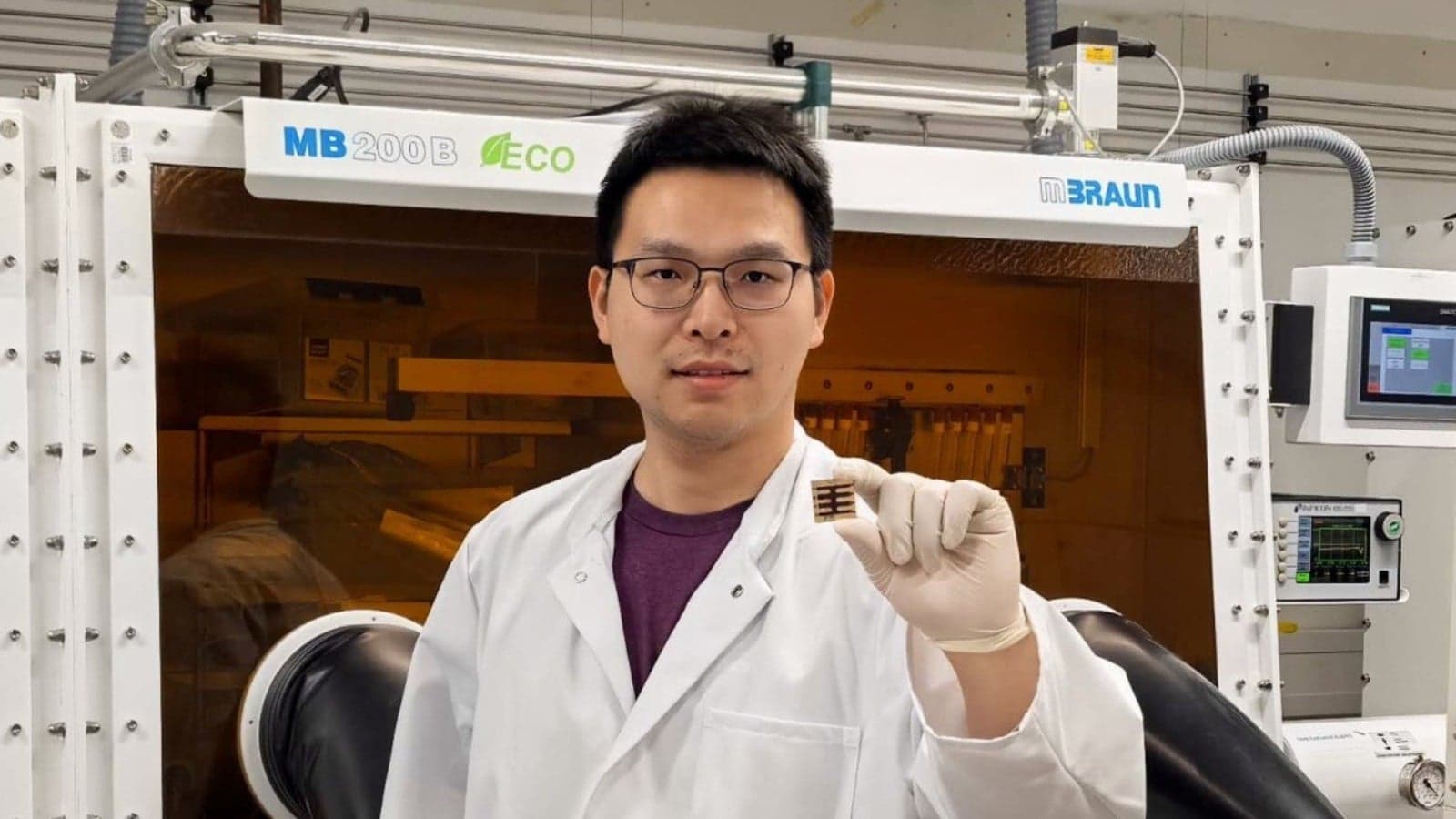
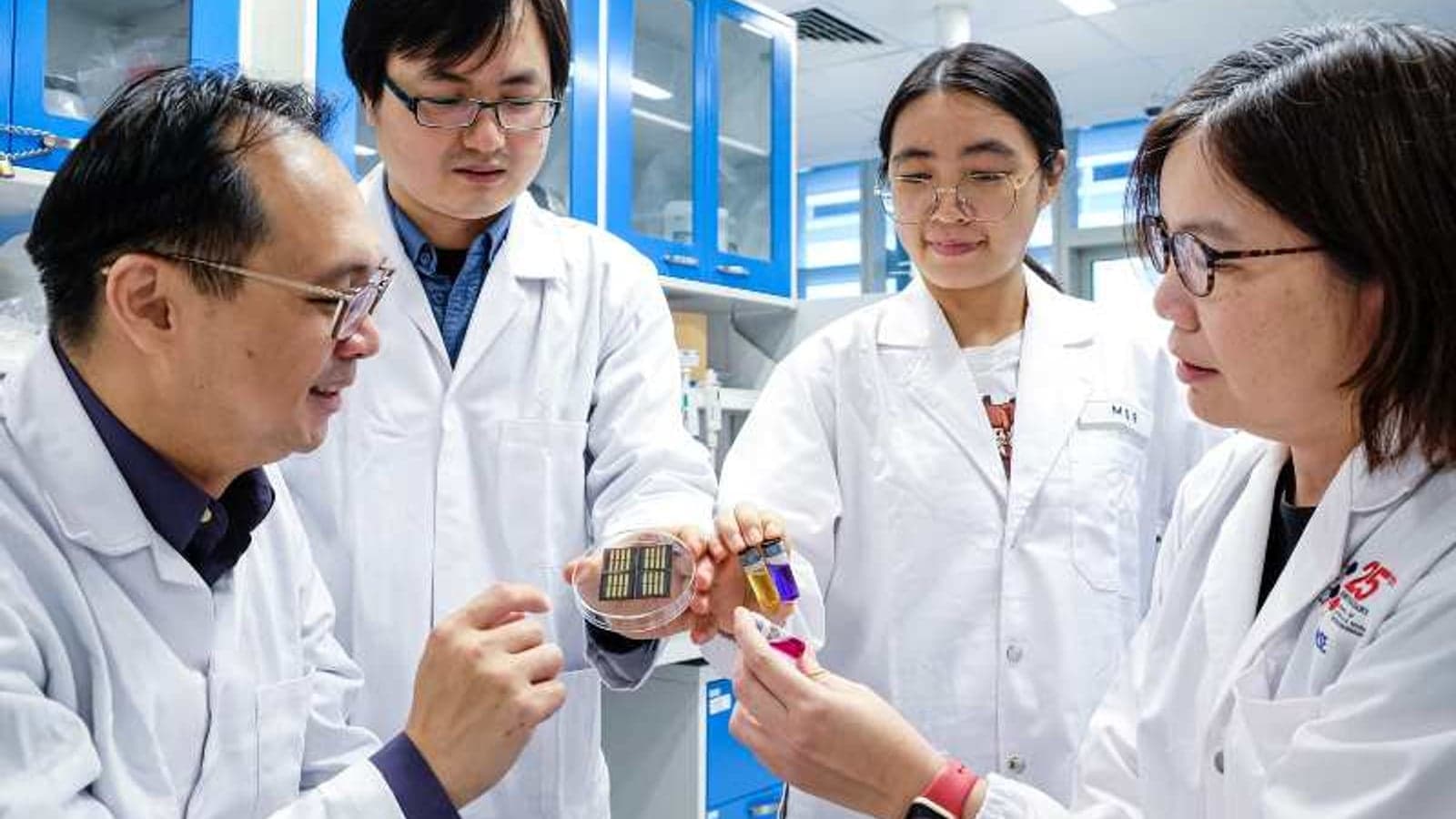
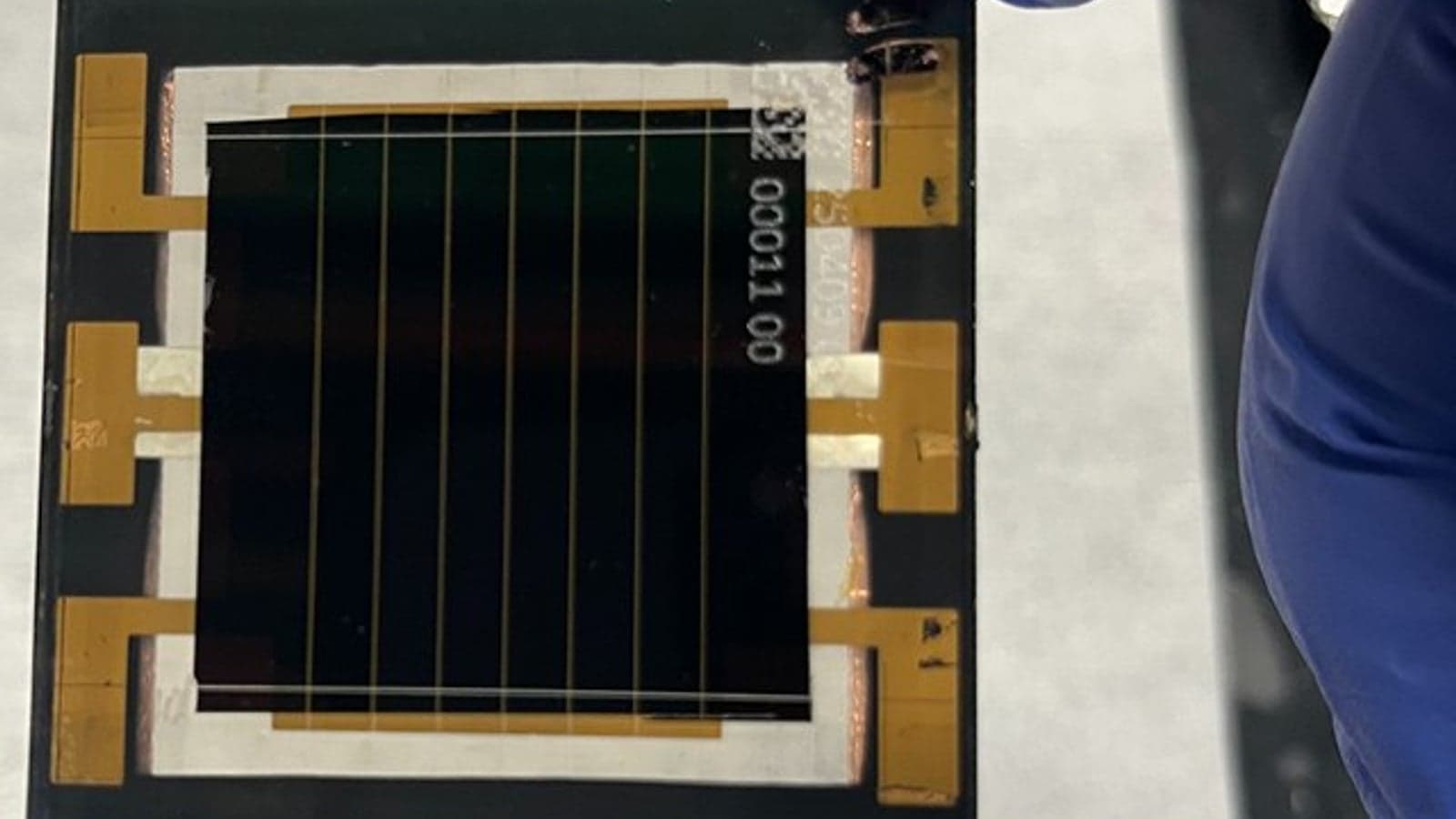
Researchers at the Technical University of Munich (TUM) and the Cluster of Excellence e-conversion have made a discovery concerning why perovskite solar cells tend to lose performance, as well as a potential to remedy that lost performance.
Perovskites are seen as the next big step in photovoltaics, and while highly efficient, they can be unstable and sensitive to temperature swings known as thermal cycling.
A solar panel can fluctuate from freezing nights to scorching heat in a single day. According to TUM, when these real-world conditions are repeated (the thermal cycle), the solar cells can be prematurely degraded and lose their performance.
Professor Peter Müller-Buschbaum, Chair of Functional Materials at TUM School of Natural Sciences and member of the e-conversion Cluster of Excellence, said in a release:
"If we want these cells on every roof, we have to ensure they don't just perform in the lab, but endure the stress of the seasons."
The team of researchers, together with partners from the Karlsruhe Institute of Technology (KIT), DESY (Deutsches Elektronen-Synchroton), and the KTH Royal Institute of Technology in Stockholm, have now uncovered the microscopic mechanisms behind the deterioration and developed a strategy to prevent it.
Müller-Buschbaum and his research team have developed new design strategies to make the top layer of tandem solar cells more robust, enabling them to withstand real-world conditions. This is accomplished by stabilising the fragile crystal structure with specially designed molecular “anchors”.
In a study published in Nature Communications, lead author Dr Kun Sun from the TUM Chair of Functional Materials and the team investigated the upper cells in a tandem solar cell. TUM states that by using high-resolution X-ray measurements at DESY, the team could see the material "breathe" in real-time during rapid temperature changes; the lattice expanding and contracting in response to rapid temperature fluctuations.
Have you read?
NREL and CubicPV set perovskite minimodule efficiency record
Annual perovskite PV installations to reach 85GW by 2035 shows report
The research team describe the degradation taking place in an initial "burn-in" phase, where cells can lose up to 60% of their relative performance.
"We revealed that a microscopic tug-of-war triggers this loss," explained Dr Kun Sun. “Tensions arise inside the material and its structure changes – this costs power.”
The next step was to eliminate the burn-in to ensure greater stability. This required the design of an anchor to prevent the material from falling apart.
TUM explains the team used special organic molecules that act as spacers, holding the structure together – like a molecular scaffold.
The optimal spacer and superior anchor were found to be the bulkier organic molecule PDMA, which allowed the cell to remain stable during rapid heating and cooling.
Müller-Buschbaum concluded: "The future of photovoltaics is tandem.
"By understanding these microscopic mechanics, we are paving the way for a new generation of solar modules that are both highly efficient and durable enough for decades of outdoor use."